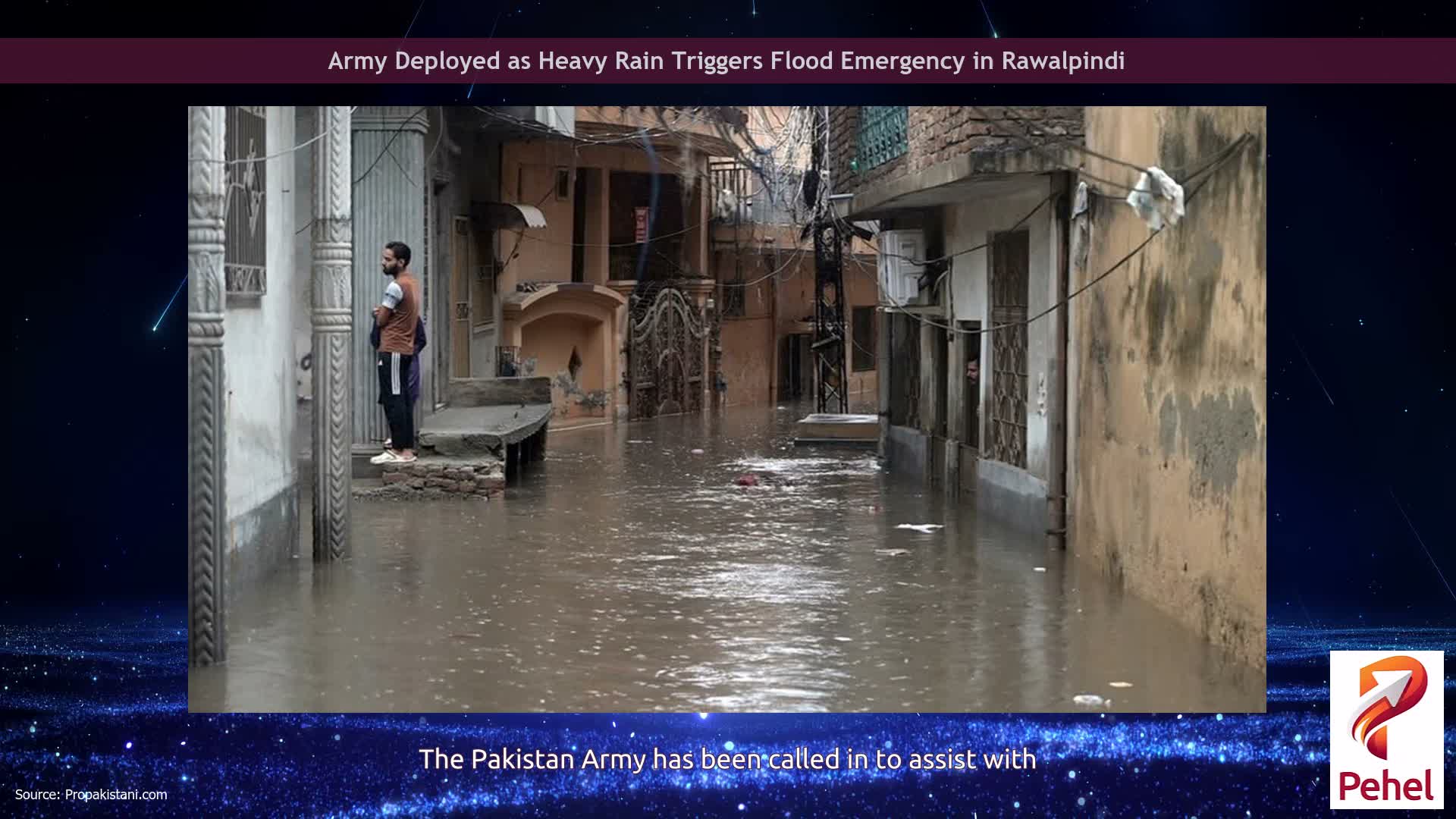
The International Monetary Fund (IMF) has warned that Pakistan remains highly vulnerable to climate shocks, including severe floods, intensifying heatwaves, and accelerated glacier melt, posing growing risks to economic stability, livelihoods, and poverty reduction.
In its third review under the Extended Fund Facility, the IMF said Pakistan continues facing persistent climate-related risks following repeated extreme weather events and large-scale economic losses caused by recent floods.
According to the report, the National Disaster Management Authority has already warned that the 2026 monsoon season could be more severe, with heavier rainfall and wider geographic spread expected across the country.
The IMF noted that Prime Minister Shehbaz Sharif has endorsed a national flood preparedness plan focused on improving coordination between federal and provincial authorities, strengthening early warning systems, upgrading flood mitigation infrastructure, and restoring climate-damaged assets.
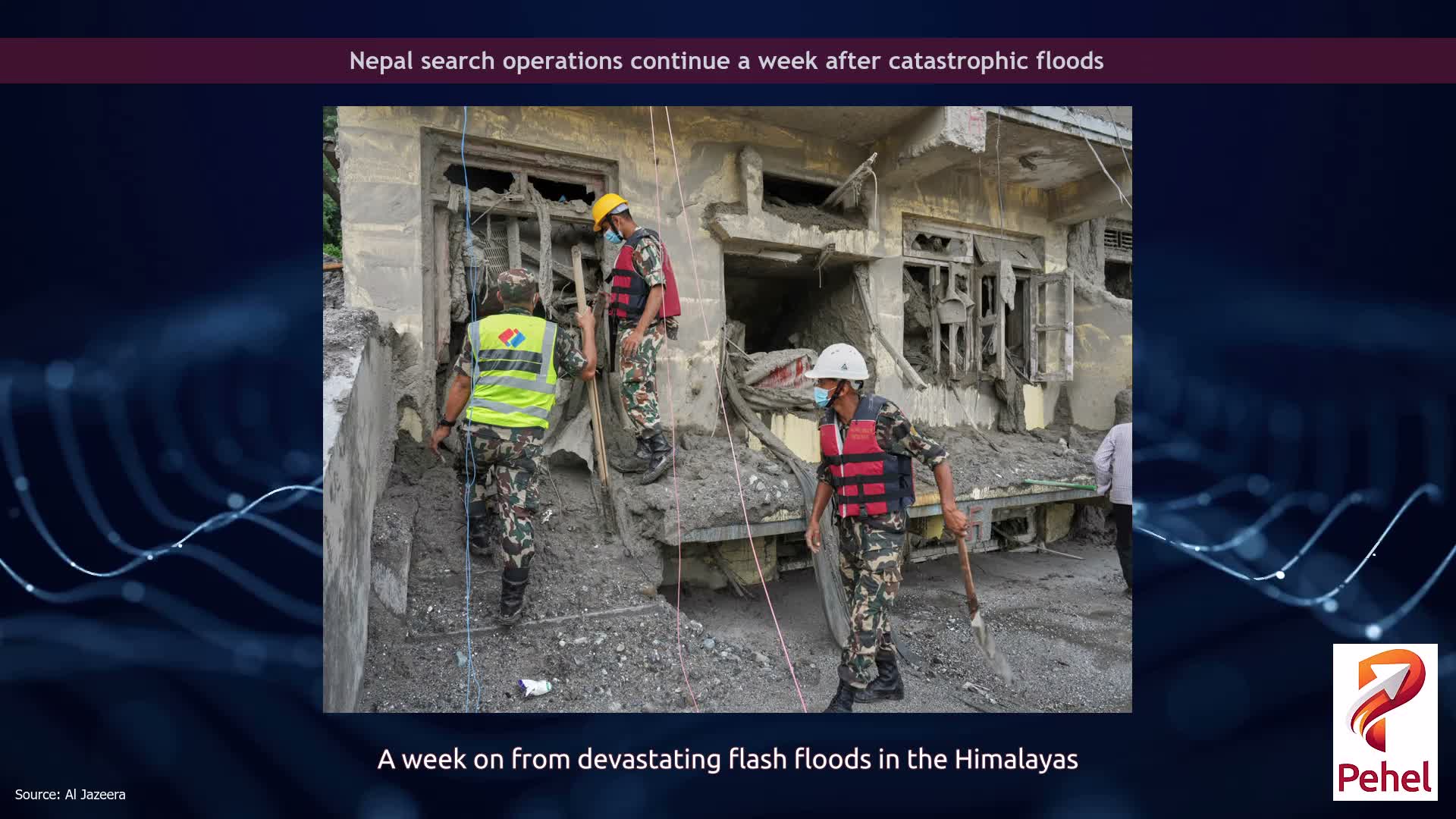
The report said Pakistan’s recent flood disasters caused multibillion-dollar damages and widespread displacement, reflecting continued systemic vulnerability similar to the catastrophic 2022 floods.
The IMF also highlighted Pakistan’s efforts to improve climate planning and resilience mechanisms. Following the launch of the National Adaptation Plan in 2023, the Ministry of Climate Change and Environmental Coordination is developing a digital monitoring and evaluation system expected to be completed by mid 2026.
At the same time, the government is preparing a National Glacier Preservation Strategy aimed at improving glacier monitoring and integrating glacier-related data into national water planning.
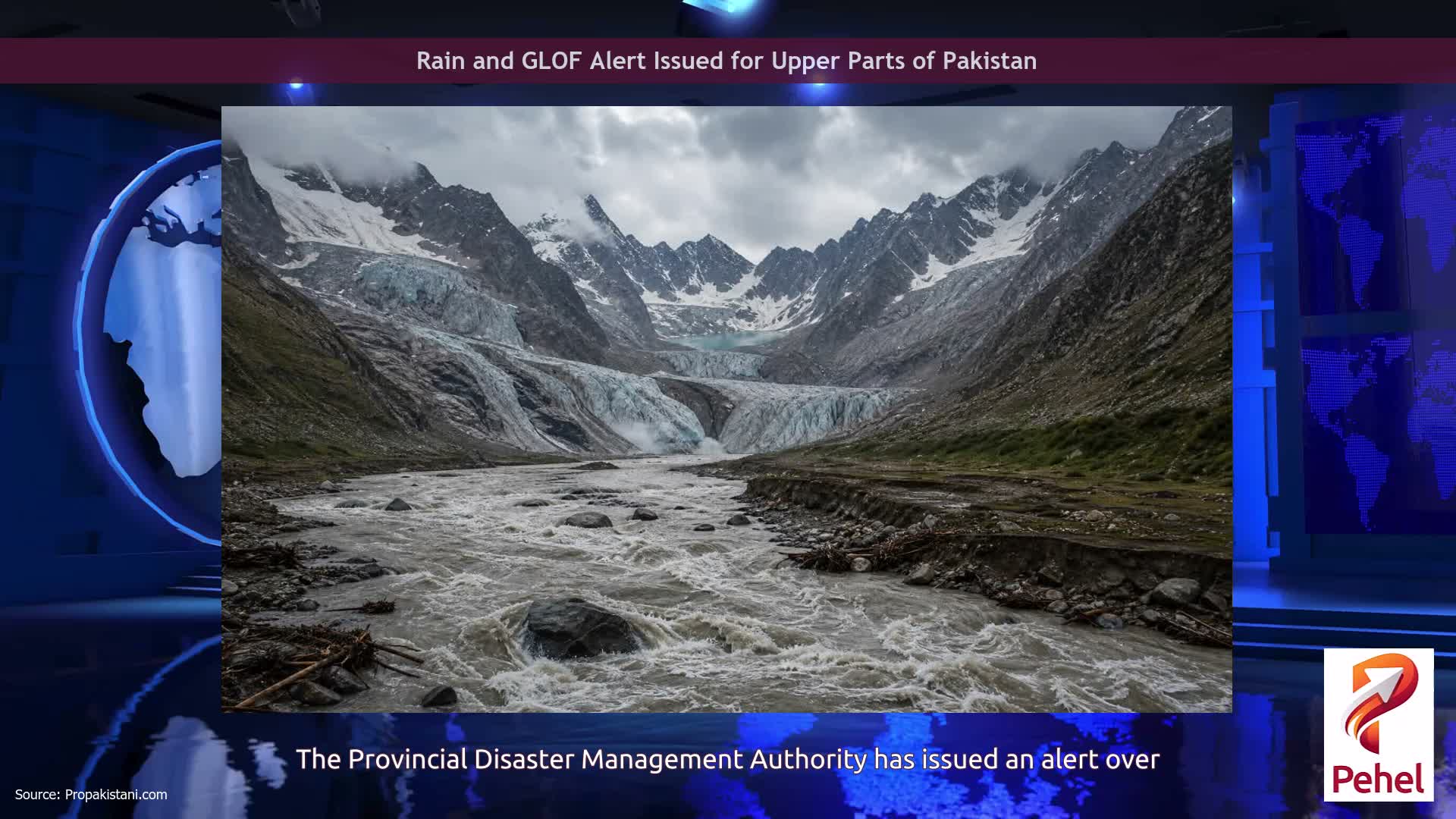
The IMF noted that Pakistan is home to the world’s largest concentration of non-polar glaciers, making the country particularly exposed to glacier-related climate risks.
Under the Resilience and Sustainability Facility program, Pakistan has also introduced climate risk assessments for all public investment projects exceeding Rs. 7.5 billion.
The reforms require major infrastructure projects to evaluate exposure to floods, heatwaves, and other climate hazards before approval. Authorities have additionally committed to allocating at least 30 percent of infrastructure spending toward climate-resilient and climate-related projects.
The IMF said financial regulators have also started integrating climate considerations into the banking and corporate sectors.
The State Bank of Pakistan (SBP) has directed banks and development finance institutions to adopt the Pakistan Green Taxonomy from 2026, while the Securities and Exchange Commission of Pakistan has introduced phased climate disclosure requirements for listed companies through revised ESG guidelines.
The report further highlighted Pakistan’s first sovereign domestic green sukuk issuance worth $100 million, launched at the Pakistan Stock Exchange to finance climate-resilient and renewable energy projects. According to the IMF, Pakistan’s renewable energy transition is also accelerating, with solar power emerging as the fastest-growing component of the country’s electricity mix due to rapid expansion in distributed solar generation.
📢 For the latest Business news and analysis join ProPakistani's WhatsApp Group now!
Follow ProPakistani on Google News & scroll through your favourite content faster!
Shares