The National Institute of Health (NIH) has issued an advisory for the prevention and control of monsoon-related diseases across Pakistan.
According to the advisory, the monsoon season increases the risk of communicable and vector-borne diseases due to heavy rainfall, flooding, waterlogging, damaged sanitation systems, contaminated drinking water, and increased vector breeding.
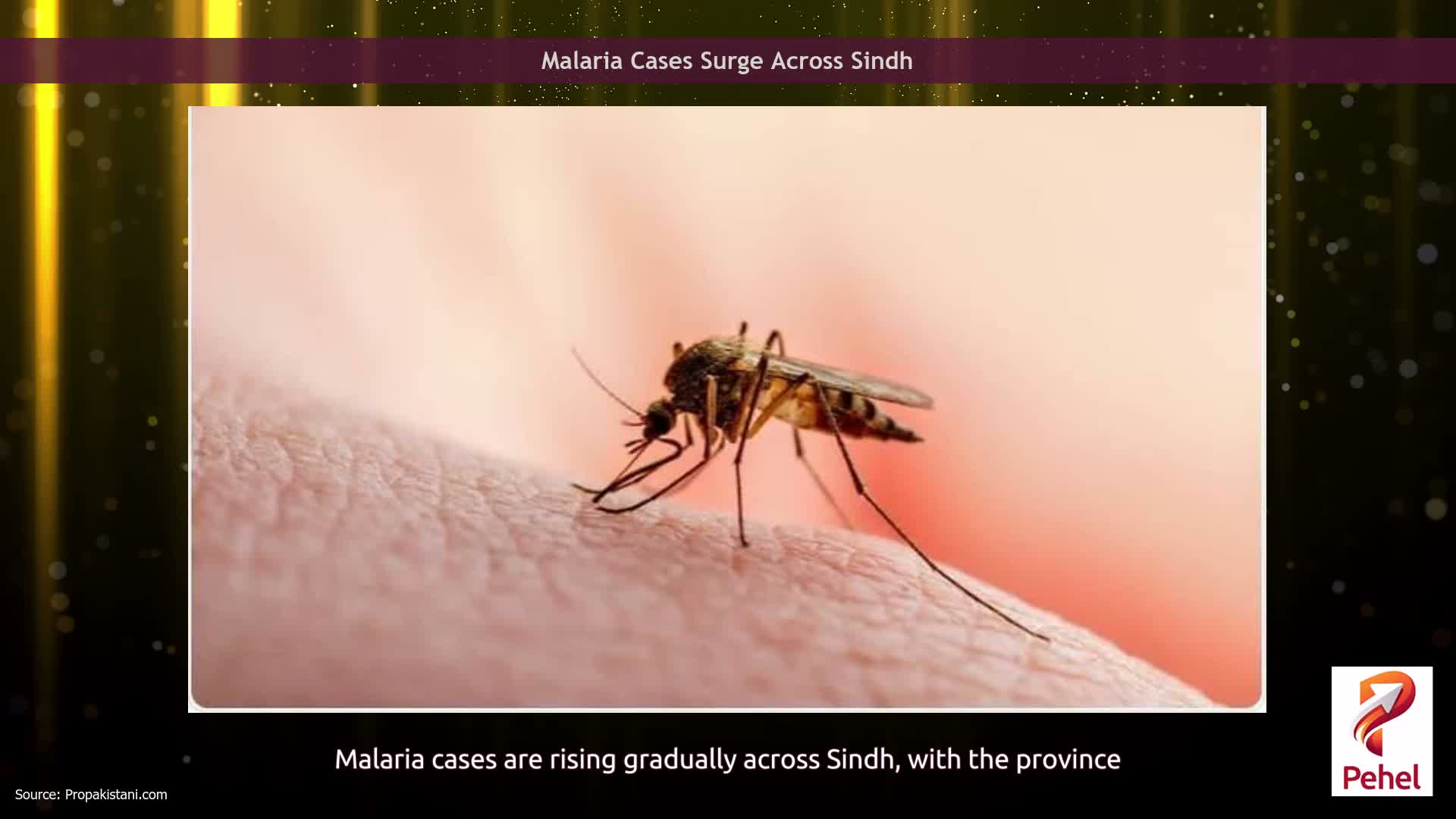
The NIH warned that these conditions can lead to outbreaks of acute watery diarrhea, cholera, typhoid fever, malaria, dengue, chikungunya, leptospirosis, viral hepatitis A and E, and other infectious diseases.
The advisory further stated that population displacement, overcrowding in temporary shelters, limited access to clean water and healthcare services, and disruption of routine public health activities can further increase disease transmission.
“Timely preparedness, enhanced surveillance, early detection, and prompt response measures are essential to minimize the public health impact of monsoon-related disease outbreaks,” the advisory stated.
The advisory has been issued to guide provincial and federal health departments, healthcare facilities, district administrations, and other relevant stakeholders in strengthening surveillance, preparedness, prevention, and response measures during the monsoon season.
The NIH said these steps are necessary to reduce illness and deaths linked to monsoon-related diseases.
Get the latest news and stories wherever you prefer.
Add ProPakistani to Preferred Sources and see more of our stories in Google Search and Top Stories.
Shares