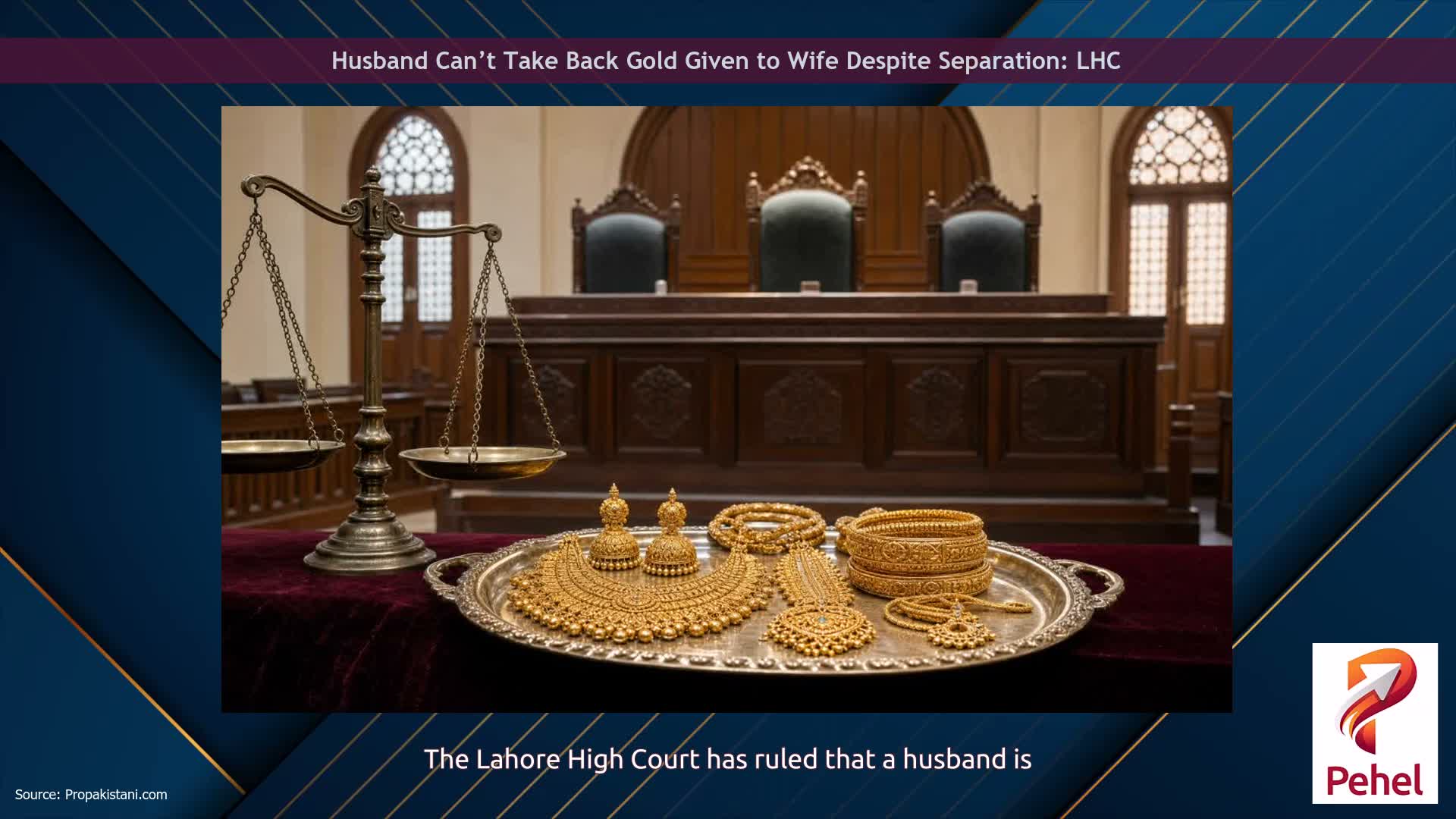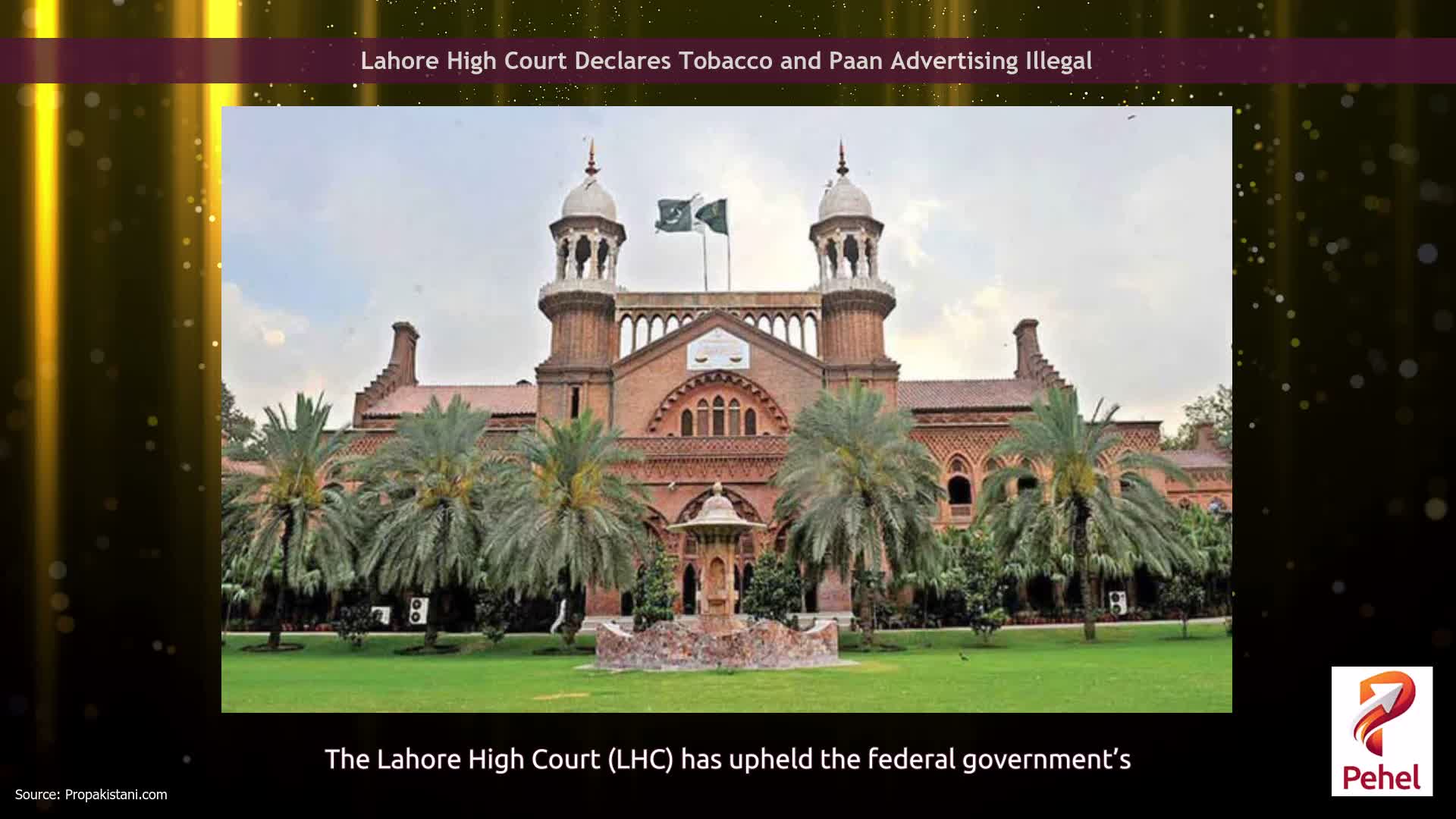
The Lahore High Court has ruled that Haq Mehr is a legal obligation of the husband and not a discretionary favor to the wife.
The court said Haq Mehr is a woman’s lawful and religious right. It also declared that, under the law, it is treated as a debt payable by the husband.
The ruling clarified that any amount, property, or commitment agreed upon at the time of marriage is legally enforceable. This also applies to written agreements made outside the Nikah Nama.
The court said a husband must fulfill all promises made during or at the time of marriage.
The case involved a woman who approached a family court to enforce an agreement linked to her marriage.
She said her husband had signed a separate written agreement on the wedding day, promising her a five-marla house. She also sought maintenance for the iddat period.
The family court accepted her claim and ruled in her favor.
However, the husband later challenged the decision before the Lahore High Court. He claimed that the agreement was fake and had been prepared after the marriage.
The Lahore High Court reviewed the evidence and witness statements in the case.
After examining the record, the court rejected the husband’s appeal and upheld the family court’s decision.
The court observed that witnesses had confirmed the authenticity of the written agreement during family court proceedings.
It said the evidence established the legal validity of the agreement.
In its remarks, the court noted that women often do not demand Haq Mehr during marriage because of social and domestic pressure.
However, it said this does not mean they have given up their legal right.
The court made it clear that not claiming Haq Mehr during marriage does not amount to waiving the right.
The judgment also explained that, under Islamic principles, Haq Mehr can be fixed verbally, in writing, or even after marriage.
The court added that Haq Mehr can also be increased later with mutual consent between husband and wife.
It said family courts must consider social realities while deciding such disputes.
The court stressed that legal provisions should be applied in a way that ensures fair and balanced justice in family matters.
The ruling is expected to guide future cases involving Haq Mehr, marriage agreements, and women’s financial rights after marriage.
📢 For the latest General & Pakistan news and analysis join ProPakistani's WhatsApp Group now!
Follow ProPakistani on Google News & scroll through your favourite content faster!
Shares