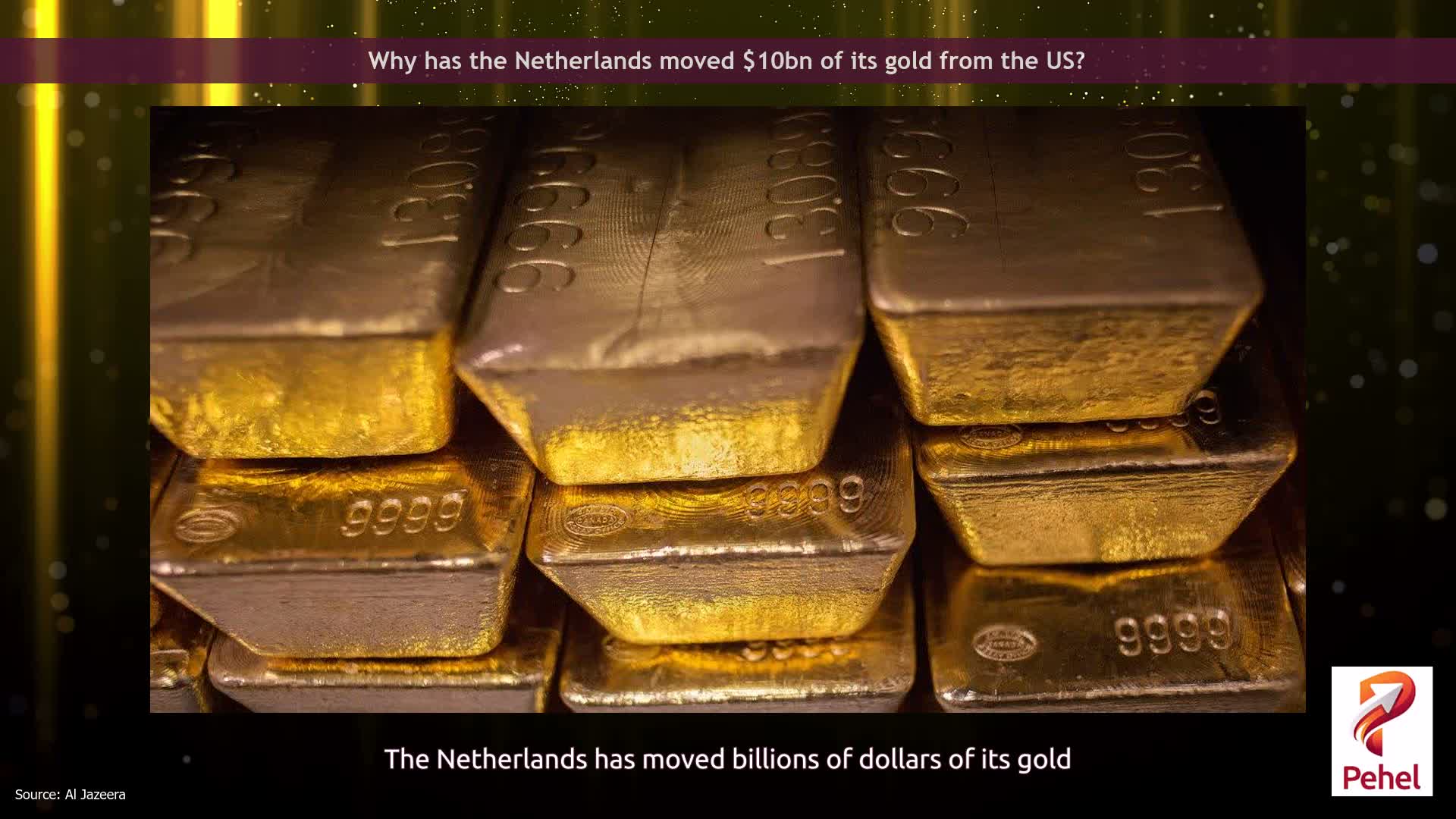
Guinea has banned the export of unrefined gold in an effort to promote domestic processing of the precious metal.
The policy - effective immediately - comes after Guinea's President Mamadi Doumbouya met industrial and artisanal gold producers and buyers, and aims to boost the economy and create more jobs.
"Guinea will now require its gold to be processed within its own borders. Raw gold will no longer leave Guinea," he said, adding that other countries have been reaping the economic benefits of processing and trading their raw materials.
Guinea is Africa's sixth largest gold producer, according to the World Gold Council .
Other African nations have taken similar steps to increase domestic processing and value addition in the mining sector in recent years.
In Tanzania and Uganda, the export of unprocessed minerals and metals such as gold and copper is already banned, while Ghana is set to ban raw gold exports by 2030.
Africa's top lithium producer, Zimbabwe, has banned concentrate exports of the metal used to make batteries from 2027.
Gold is one of Guinea's main exports, shipping more than 22 tonnes of the metal in the first quarter of this year, according to the authorities.
A new refinery is near completion in the capital, Conakry, where the country's gold will be sent before processing and export. It has a reported capacity of 250 tonnes a year so should be able to handle the country's current production.
Foreign companies operating in the country have been warned that they risk losing their licenses and having their mining contracts terminated if they violate the directive.
Guinea is also the world's largest producer of bauxite, used to make aluminium.
Go to BBCAfrica.com for more news from the African continent.
Follow us on Twitter @BBCAfrica , on Facebook at BBC Africa or on Instagram at bbcafrica