Today’s AI music startups, like Suno and Udio, offer technology that leverage artifical intelligence for music generation. But a new company, GRAI , believes that most people don’t want to use AI to generate music from scratch — they’d rather do other things like remix tunes, share them with friends, or play around with tracks by doing things like changing a track’s style, just for fun.
Of course, whether or not an artist wants anyone to play around with their tracks, or to what extent, is something they should get to decide.
Music lab GRAI, now backed by a $9 million seed round, wants to put that control in artists’ hands, while also capitalizing on the power of AI to transform how consumers engage with music.
The company, built by Belarusian founders who previously sold their video creation app VOCHI to Pinterest , is experimenting with new AI music products. Today, this includes apps like the remixing app Music with Friends for iOS and another AI music playground for Android . These apps, and others that may ship in the future, will help to inform the company how consumers want to engage with music beyond AI-enabled creation or listening alone.
“The idea that we’re building the company around is what the next thing can be in music AI interaction and consumption,” explains GRAI co-founder and CEO Ilya Liasun , who is currently based in Poland alongside much of the team. He says the main reason the founders started GRAI is that music has become one of the last major consumer categories that hasn’t gone “creator-first.”
“We have problems — discovery is broken, listening is passive, and social context is almost non-existent,” Liasun notes.
Meanwhile, he doesn’t think that AI will kill artists and labels, as some fear. Instead, the team at GRAI believes that AI could lead to new ways to engage with music, beyond just creating a tune through generative AI technology.
The company intends to aim its products at Gen Z and Gen Alpha users who tend to discover new music through culture, meaning friends, fandoms, and through short-form content, like TikTok. These users don’t want to be creators or music producers; they just want to participate somehow.
To power its social apps, GRAI developed its own taste and participation graph as well as its own infrastructure. It’s building a “derivatives pipeline” as well as real-time audio systems that will preserve the identity of original tracks while allowing them to be transformed.
As Liasun puts it, the company’s goal is to work with artists and their labels to make this type of activity legal. And the end result isn’t more unwanted AI music.
“We don’t want to share new genAI slop to the streaming service. We actually focus on the interaction part,” Liasun says.
The idea is that users could play with tracks inside GRAI’s apps, perhaps remixing a favorite tune, or changing its style. Ultimately, those modified tracks could create a new source of royalty payments to the artists and labels.
The company says it didn’t start building its social apps before going to the labels for permission. Instead, notes Liasun, it’s talking to the labels first.
“The main idea here is that we want to build a future system in which artists will have the ability to opt in and opt out.” That, he says, is a core belief at GRAI: “first, ask owners, and then integrate it.” (Liasun declined to disclose if it already has agreements in place or with what companies.)
If this type of music remixing activity becomes popular, GRAI believes it could help people discover new artists and songs outside of larger platforms like Reels, TikTok, or YouTube.
With its initial apps, GRAI hopes to receive consumer feedback — even negative feedback — to help it find out what works and what doesn’t.
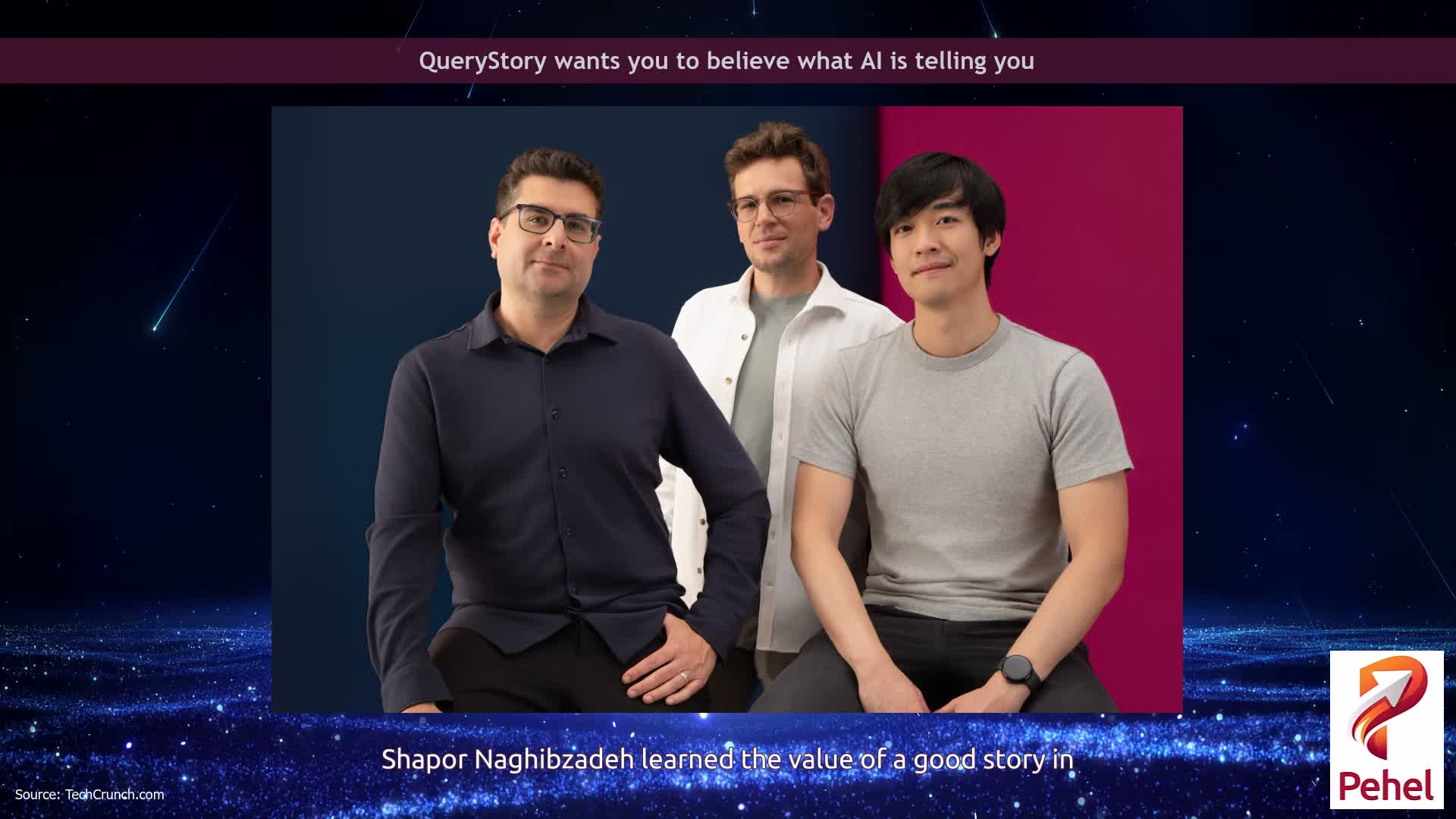
The company , co-founded by CTO Dima Kamarouski and Andrei Avsievich (President), is now backed by $9 million in seed funding in a round co-led by Khosla Ventures and Inovo vc. Other investors also participated, including Tensor Ventures, Tiny.VC , Flyer One Ventures, a16z Scout Fund, and various angels, such as Andrew Zhai (ML in Cursor, co-founder of Genova Labs, ex-Pinterest); Greg Tkachenko (founder of Unreal Labs, ex-Snap); Rob Reid (Founder of Rhapsody), and Dima Shvets (of MirAI and Reface).