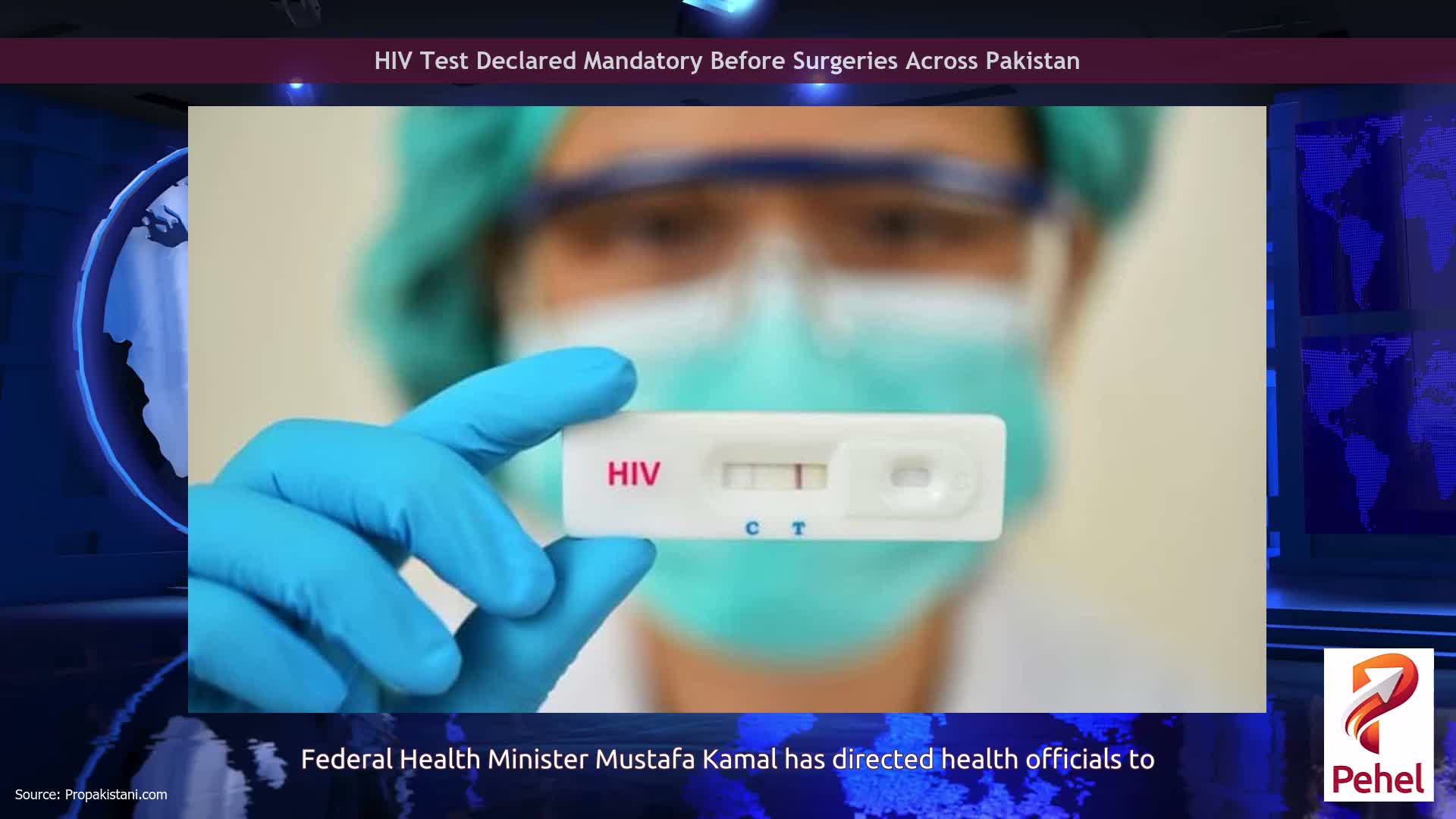
A parliamentary panel has raised serious concerns after being told that around 20,000 HIV patients who started treatment at antiretroviral therapy centers in Pakistan have gone missing.
The issue came to light during a meeting of the National Assembly Standing Committee, where health officials said patient follow-up, counseling and long-term retention remain major challenges in the country’s HIV response.
According to the health ministry, an estimated 369,000 people are living with HIV in Pakistan, but only 84,000 cases are currently registered, pointing to a wide gap in detection and reporting. Officials also told the committee that 14,000 new HIV cases were reported in 2025 alone.
The committee described the matter as urgent and sensitive, stressing the need for a coordinated national response instead of isolated measures.
While screening has expanded significantly in recent years, rising from 37,000 tests in 2020 to more than 374,000 in 2025, lawmakers warned that higher detection should not be mistaken for actual control of the disease. They said the real measure of success is a fall in new infections, not just an increase in testing.
Committee members also pointed to repeated local outbreaks in areas such as Taunsa, Kot Momin and parts of South Punjab as evidence of weak infection prevention, unsafe medical practices and poor enforcement.
During the briefing, officials said the Walika outbreak in Karachi had been linked to the use of 10cc syringes, which had not previously been banned. The ministry said all reusable syringes, including 10cc variants, would now be phased out and placed under tighter regulatory control.
Lawmakers, however, questioned why banned syringes are still available in markets despite restrictions introduced years ago.
They also highlighted weak oversight of blood banks, the absence of sustained public awareness campaigns, continued social stigma around HIV testing and treatment, and the growing number of patients who disappear after diagnosis.
The committee also discussed cross-border health risks, noting that people deported from other countries often return without proper health screening. In response, the ministry said a new mechanism was being developed to link exit and entry data so such individuals can be screened and monitored before re-entry.
Officials said the government is preparing a comprehensive master plan to address gaps in HIV control.
The committee, however, pressed for immediate steps, including the rollout of auto-disable syringes, stricter action against unsafe medical practices, nationwide awareness campaigns and a clear time-bound strategy to contain the spread of the disease.
? For the latest General & Pakistan news and analysis join ProPakistani's WhatsApp Group now!
Follow ProPakistani on Google News & scroll through your favourite content faster!
Shares