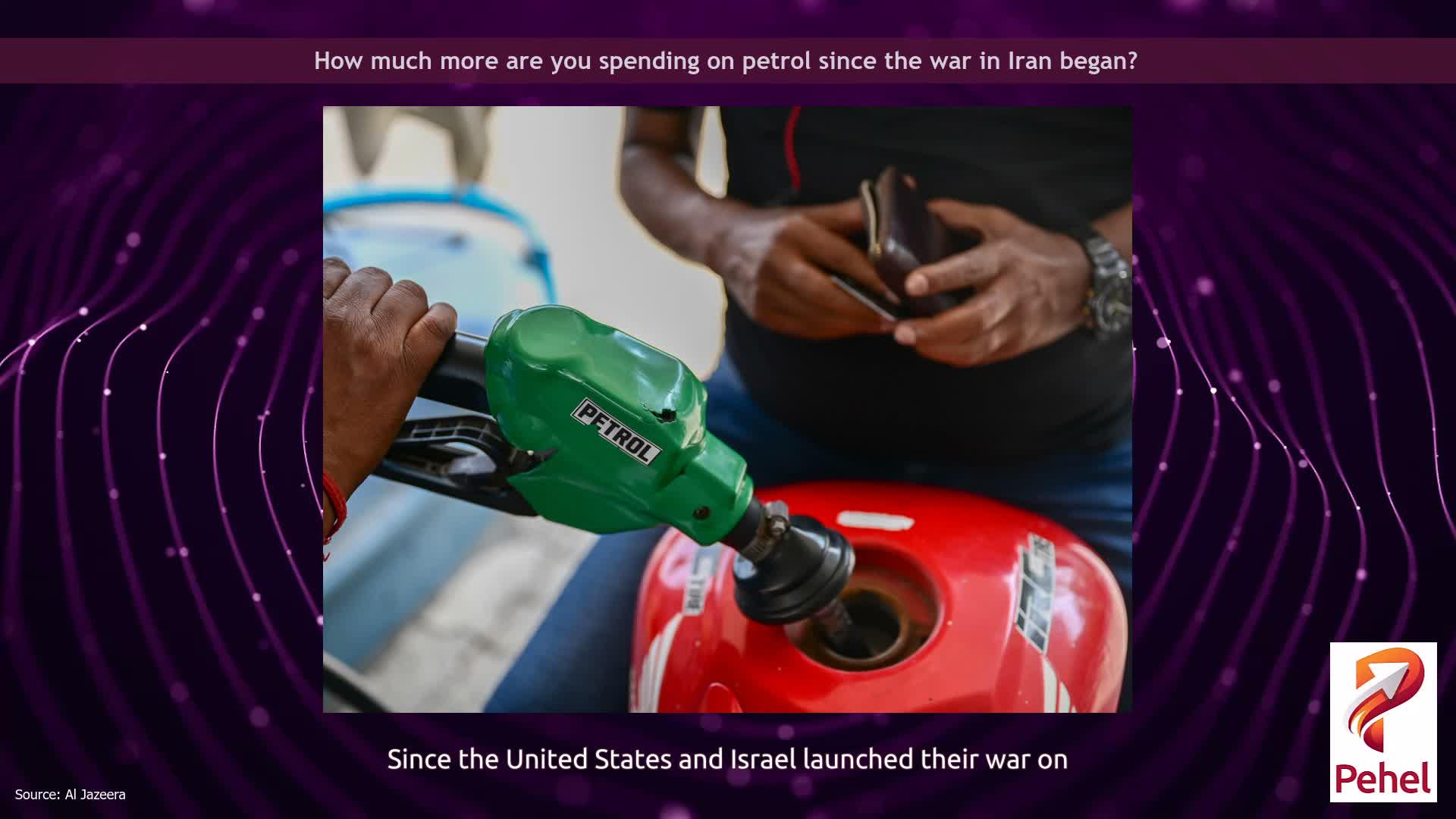
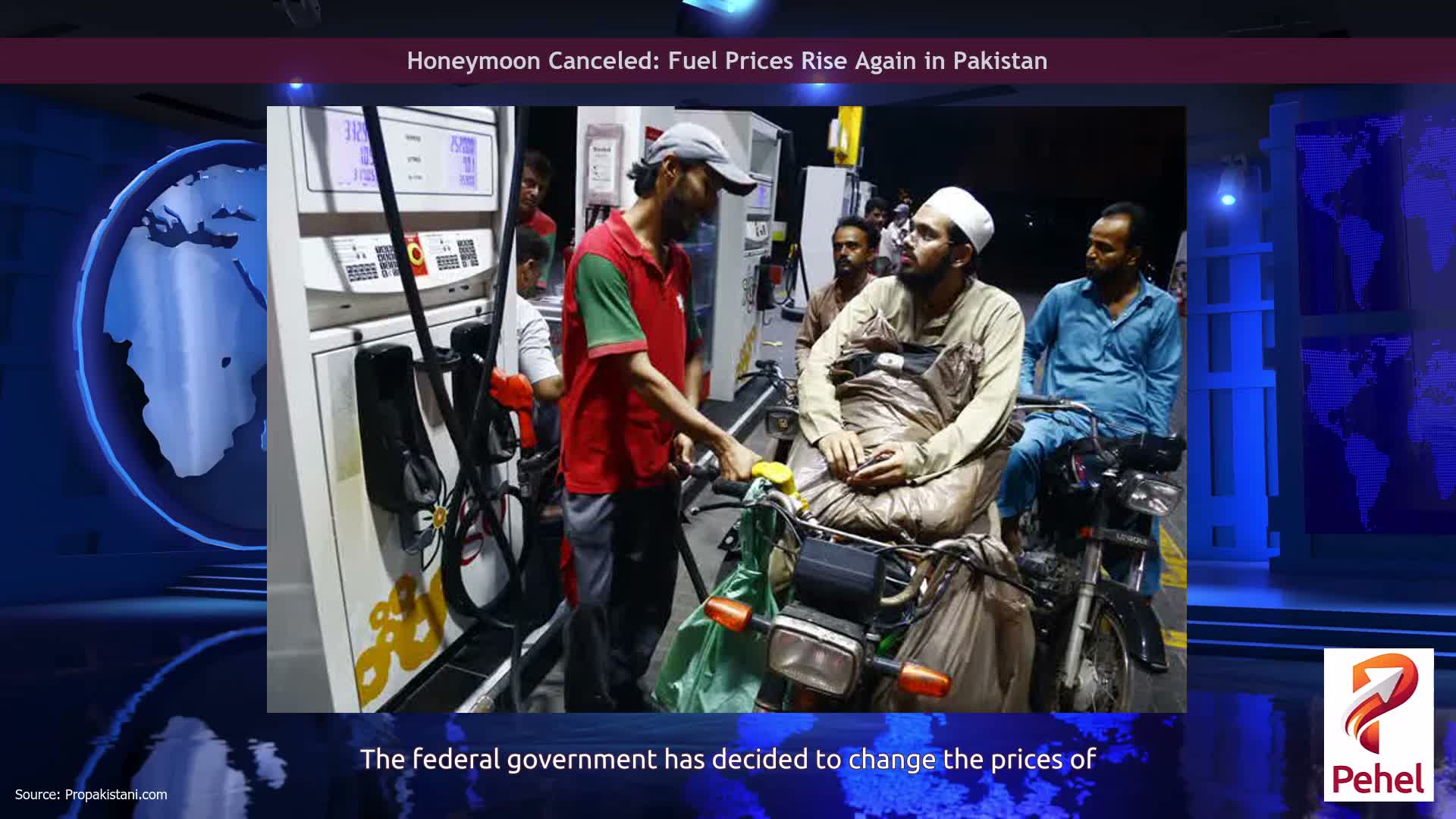
The government raised on Thursday the price of petrol by Rs6.51 per litre and that of high-speed diesel (HSD) by Rs19.39.
Following the increase, the price of petrol stands at Rs399.86 per litre and HSD’s at Rs399.58.
The Petroleum Division’s press release notifying the increase said the new prices would be effective from May 1.
Petrol is mostly used in private transport, small vehicles, rickshaws and two-wheelers and has a direct bearing on the budget of the middle and lower-middle class. High-speed diesel is mainly used in the heavy transport sector and for large generators.
Petrol and high-speed diesel are the major revenue spinners with their monthly sales of about 700,000 to 800,000 tonnes compared to just 10,000 tonnes of monthly demand for kerosene.
The latest price hike came after the a virtual meeting between the International Monetary Fund (IMF) and Pakistan’s representatives, during which the IMF was told that Pakistan was well placed to achieve the petroleum levy target of Rs1.468 trillion, sources told Dawn .
The sources said the two sides agreed to keep the primary balance target as sacrosanct and achieve it at all costs even if further cut in public sector development programme was required.
Payments to independent power producers would continue in line with payment schedules to ensure that no issue cropped up before the IMF executive board’s meeting on May 8 — which was being convened to approve the disbursement of more than $1.2 billion — the sources said.
Thursday’s price hike came as the Petroleum Division refuted reports claiming that petrol stations were to shut down in the country owing to a fuel shortage .
“There is no truth to reports of the closure of petrol pumps from May 1. The supply of petroleum products will continue uninterrupted,” the Petroleum Division posted on X.
It said, “Spreading panic among the people through fake propaganda should be avoided.”
The Petroleum Division pointed out that uninterrupted supply of petroleum products in the country had been ensured since the start of the war in the Middle East, adding that their availability would be ensured in the future as well.
Separately, Islamabad Deputy Commissioner Irfan Nawaz Memon also posted on X that there was sufficient stock of petrol at all petrol pumps in the federal capital, adding that reports of petrol stations’ closure from May 1 were rumours.
He also asked citizens to contact the district administration’s control room if they were “provided less petrol than your requirement” at any station.
The DC appealed to the public not to pay any heed to the rumours of a fuel shortage in the country.
The developments come amid a global fuel crisis caused by the closure of Strait of Hormuz — through which 20 per cent of the world’s oil and gas supply used to pass in peacetime — as a consequence of the currently paused US-Israel war on Iran.
The All Pakistan Petrol Pump Owners Association (APPPOA) also refuted reports of a strike from May 1-5 as “baseless”.
A statement by the APPPOA quoted the association’s vice chairperson, Noman Ali Butt, as saying that there was no truth to the rumours of petrol stations’ closure.
“Petrol stations across the country will remain operational as usual,” he said, adding that the fuel supply to the consumers remained uninterrupted.
He further clarified that the rumours of the strike “have nothing to do” with his association and that petrol station owners were not in favour of a strike.
“People should not pay heed to rumours. The petrol station are open,” he added.