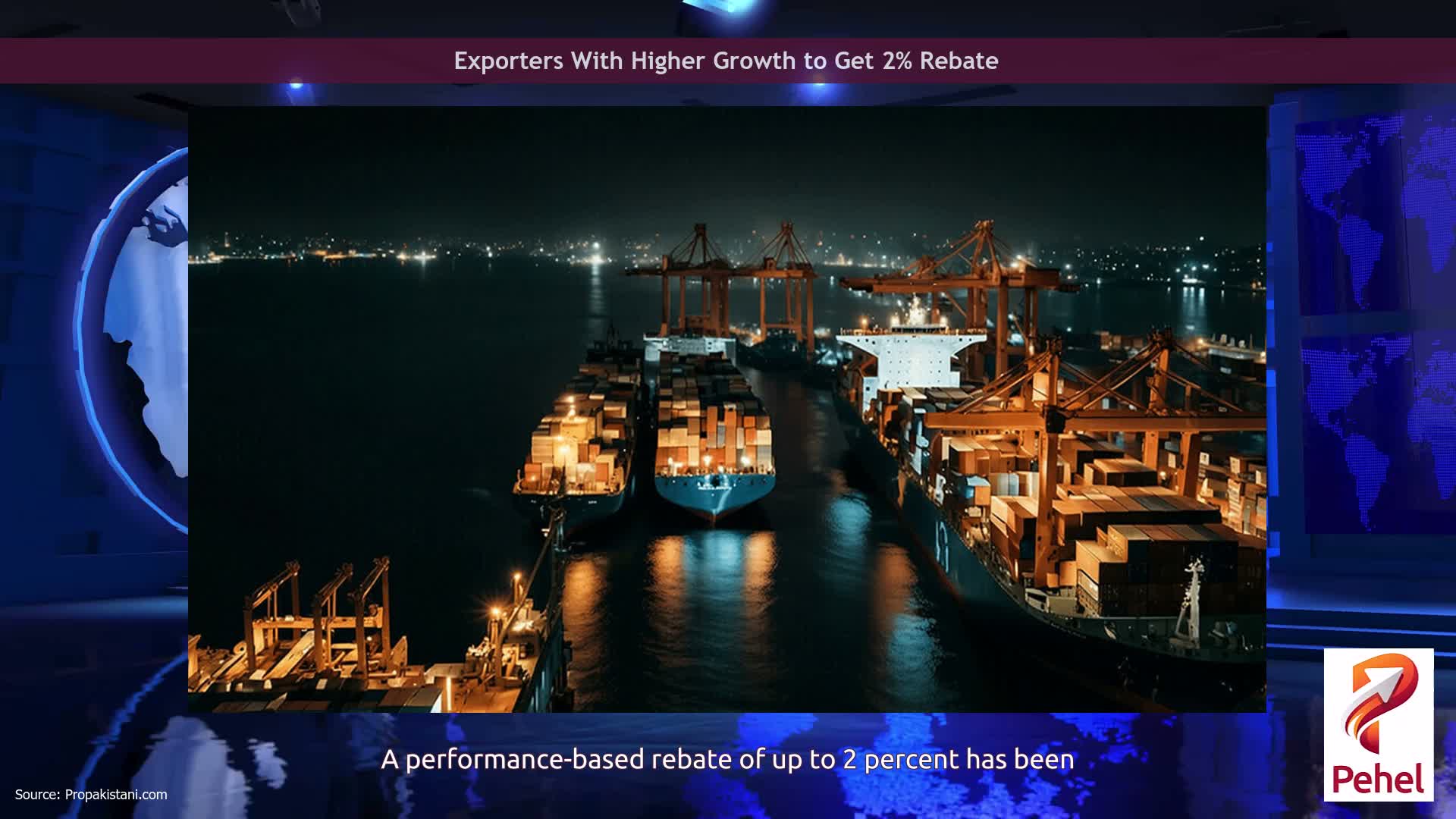
The government is considering abolishing the 1 percent advance tax on export proceeds in the FY2026-27 budget, a move that could provide around Rs. 100 billion in relief to exporters, particularly the textile sector.
According to officials involved in budget discussions, the proposal is among the limited support measures currently under consideration for exporters. The tax has long been criticized by businesses because it is collected at the time of export regardless of profitability, putting pressure on working capital and cash flows.
Industry estimates show exporters paid nearly Rs. 200 billion in advance income tax during FY25 and FY26, meaning the proposed relief would only return part of the amount already collected.
The textile industry, Pakistan’s largest export sector, has submitted a broader set of demands ahead of the budget, including restoration of the Final Tax Regime (FTR), lower energy tariffs, clearance of more than Rs. 327 billion in pending refunds, revival of export incentives, and the gradual abolition of the super tax. However, most of these proposals are unlikely to be accepted due to revenue constraints and commitments under Pakistan’s economic stabilization program.
Industry representatives argue that Pakistan’s exporters face one of the highest effective tax burdens in the region, estimated at more than 68 percent. They point out that competing economies such as Vietnam, Bangladesh, and India offer lower corporate tax rates, more efficient refund systems, and significantly cheaper energy.
Energy costs remain one of the sector’s biggest concerns. Industrial electricity tariffs in Pakistan are estimated at around 11.5 cents per kilowatt-hour, compared with approximately 6.3 cents in India and 8 cents in Vietnam. Gas prices are also substantially higher than those faced by regional competitors.
Exporters have also raised concerns over delayed GST refunds, which tie up significant working capital. While competing countries process refunds within weeks or through automated systems, Pakistani exporters often face delays stretching from months to years.
Business groups say that while removing the 1 percent advance tax would provide welcome relief, meaningful improvements in export competitiveness will require broader reforms in taxation, energy pricing and refund mechanisms.
📢 For the latest Business news and analysis join ProPakistani's WhatsApp Group now!
Follow ProPakistani on Google News & scroll through your favourite content faster!
Shares