The International Monetary Fund (IMF) has set a Rs. 17.145 trillion federal revenue target for Pakistan in FY2026-27, backed by Rs. 430 billion in new budgetary measures, a higher petroleum levy target, and fresh revenue commitments from the provinces.
According to the IMF staff report on Pakistan’s Extended Fund Facility and Resilience and Sustainability Facility reviews, total federal revenues for the next fiscal year are projected to rise more than 13.5 percent to Rs. 17.144 trillion, compared to the current fiscal year.
The report stated that Pakistan committed to several prior actions before securing IMF board approval for the latest disbursement package. These included Rs. 136 billion lower provincial grants, Rs. 322 billion in recoveries linked to favorable super tax court rulings, and the full pass-through of fuel prices despite earlier hesitation following regional tensions involving Iran and the United States.
The IMF also expects the Federal Board of Revenue (FBR) to collect Rs. 15.264 trillion in FY2027, around Rs. 1.836 trillion higher than the current year. The Fund estimates that roughly 12 percent organic revenue growth will come from a combination of 8.4 percent average inflation and 3.5 percent economic growth, while the remaining increase will rely on tax reforms, enforcement measures, audits, and digital monitoring.
Pakistan has additionally committed to generating around Rs. 95 billion through tax audits, Rs. 50 billion from improved sales tax liability calculations, and another Rs. 50 billion from tighter monitoring of sectors including sugar, cement, tobacco, and fertilizer.
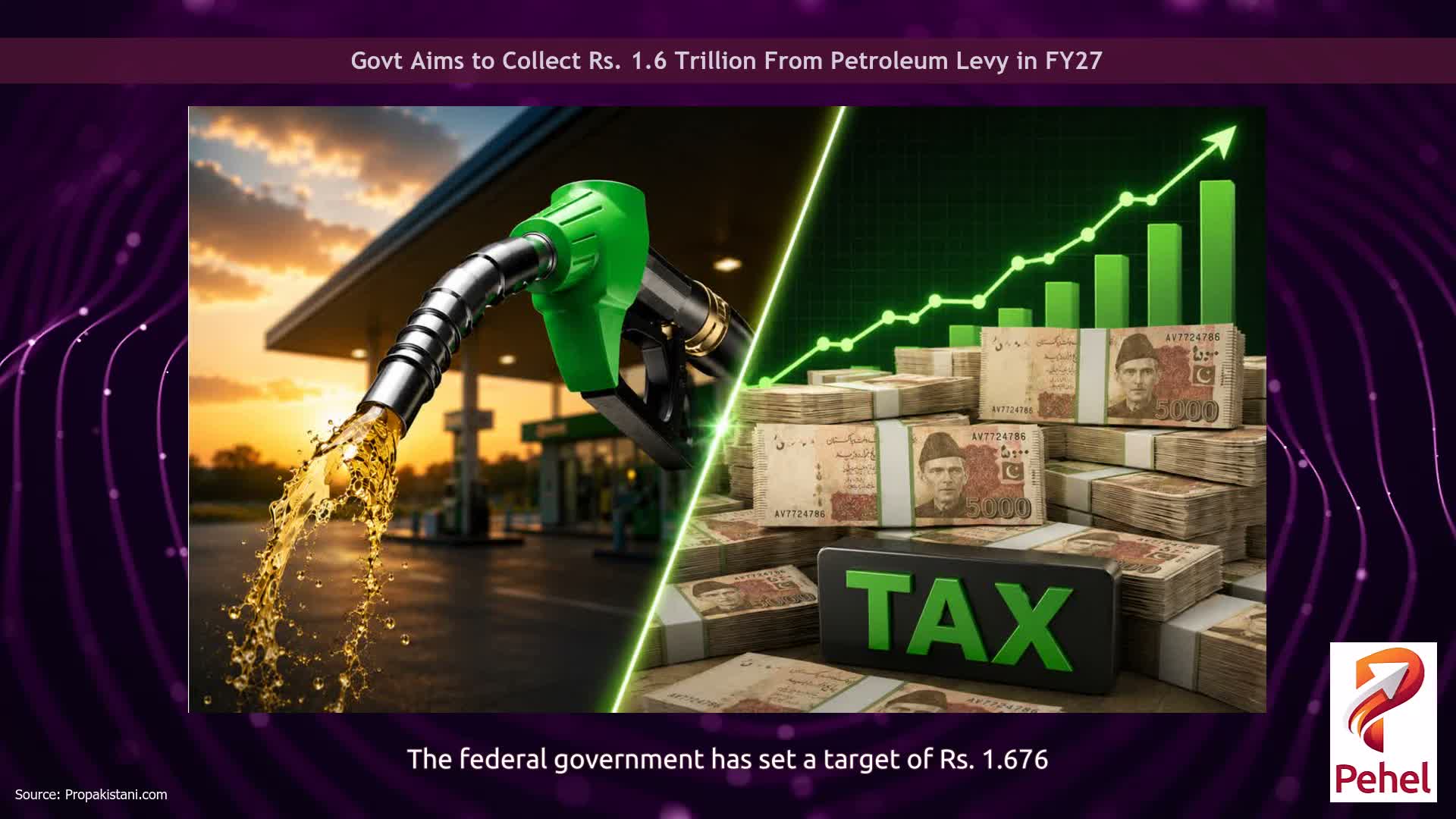
The IMF has also projected that Pakistan’s petroleum levy collection this year could exceed the official target and reach nearly Rs. 1.55 trillion. For FY2027, the Fund has set a petroleum levy target of Rs. 1.73 trillion, nearly 18 percent higher than the current year’s budgeted level.
The report suggested that the government and IMF have likely reached an understanding to increase the average petroleum levy rate toward Rs. 100 per liter next year, given that fuel consumption growth alone would not fully support such a large increase in collections.
Pakistan has also committed to increasing Benazir Income Support Programme payments to Rs. 18,000 per family from the current Rs. 14,500 level, with authorities informing the IMF that around 40 percent of the population remains economically vulnerable.
The provinces have separately committed to mobilizing almost Rs. 430 billion in additional revenues through stronger sales tax collection and agricultural income tax reforms. Provincial cash surpluses are expected to rise to nearly Rs. 2 trillion next year.
On the energy side, Pakistan has committed to maintaining timely gas and electricity tariff adjustments to ensure full cost recovery. The government also plans to shift targeted power subsidies for low-income consumers to the BISP system instead of the current electricity billing mechanism.
The IMF report further noted that Pakistan has committed to reducing intervention in wheat and sugar markets, phasing out incentives for special economic and technology zones by 2035, strengthening anti-corruption institutions, and introducing a national sugar policy by June 2026.
📢 For the latest Business news and analysis join ProPakistani's WhatsApp Group now!
Follow ProPakistani on Google News & scroll through your favourite content faster!
Shares