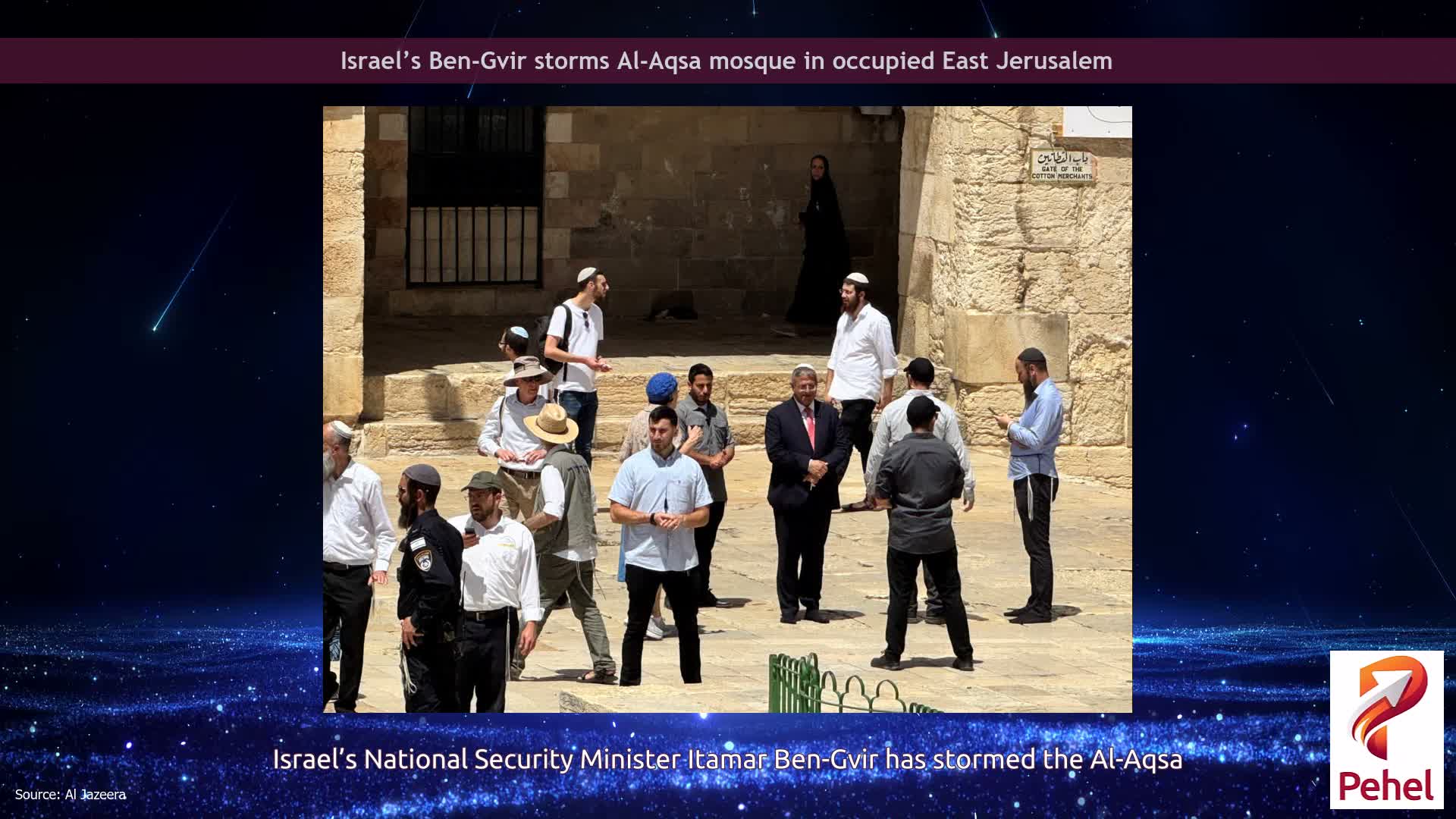
Hundreds of Israelis have entered the Al-Aqsa Mosque compound in occupied East Jerusalem as part of one of the largest incursions seen this year.
The Palestinian Authority said it expected the number of trespassers at the site to continue increasing until sunset on Thursday, potentially reaching about 5,000, as Jews mark Tisha B’Av, a Jewish day of mourning marking the destruction of both ancient Jewish temples believed to have stood on the Islamic holy site.
Orthodox Jews have traditionally considered it forbidden to enter the Al-Aqsa Mosque compound, but the rise of the Religious Zionist movement has led to an increase in the number of Jews attempting to pray on the site, despite a legal prohibition on the practice under the longstanding arrangements governing the compound.
Participants in this year’s incursion were again joined by Israel’s far-right National Security Minister Itamar Ben-Gvir, who entered the compound under heavy police protection in what analysts have described as one of a likely series of provocative moves as national elections scheduled for October draw closer.
Israeli activists present at Al-Aqsa – a Palestinian national symbol in addition to its religious role – said that the police, which Ben-Gvir oversees, had allowed them to pray, sing and prostrate themselves across the compound. Lawmaker Amit Halevi, a member of the governing Likud party, and Rabbi Shimshon Elboim, who frequently leads Jewish incursions to the site, raised Israeli flags while others sang the Israeli national anthem.
Incursions by Israeli settlers and officials to the Al-Aqsa Mosque compound have intensified in recent years, with Palestinian officials and religious authorities warning of growing attempts to alter the status quo governing the compound, as part of an effort to take over the site.
Ben-Gvir has entered Al-Aqsa at least 16 times since becoming national security minister, despite widespread condemnation from Palestinians and warnings from regional governments that his visits risk inflaming tensions. His participation has become a recurring feature of major Jewish holidays, reinforcing previous claims from the government minister of his desire to establish a synagogue on the site – the third holiest in Islam.
“On Tisha B’Av we commemorate the destruction. But we are also seeing tremendous progress on the Temple Mount,” Ben-Gvir told the local media, using the Jewish name for the mosque compound, earlier on Thursday. “Look at what is happening here – Jews praying, feeling like they are the owners here. This never happened here before,” he said.
“This is happening in more and more places,” the far-right minister and provocateur, who has previously been convicted of incitement to racism and supporting a terrorist organisation, added. “Everywhere, people understand that Israel is in charge. There is still more to do, and with God’s help, we will move forward.”
Al Jazeera’s correspondent Nour Odeh described how Israeli authorities had “taken extreme measures in the Old City” of Jerusalem ahead of the incursion, including barring Palestinian entry to the compound for all but the elderly and tightening checkpoints controlling movement from the occupied West Bank.
Local media reported police arresting 16 Jewish suspects over alleged damage to a Muslim cemetery in occupied East Jerusalem overnight, as well as others accused of involvement in incidents of violence and attacks against Palestinian passers-by.
However, there are no expectations that the Israeli opposition would condemn the incursion in any meaningful way, Aida Touma-Sliman of the left-wing Hadash party, told Al Jazeera. She suggested that what criticisms were voiced would likely centre on Ben-Gvir rather than the potential voters supporting him, as they seek to defeat Prime Minister Benjamin Netanyahu and his coalition in October’s parliamentary elections.
“Over the last four years, this occupying government has changed the situation at Al-Aqsa – raiding it, arresting its sheikh, humiliating worshippers, and allowing settlers to storm in and pray there,” Touma-Sliman said. “Yet none of the opposition said anything. So why should we expect them to act now?”
Political tensions have been ramping up across Israel ahead of the elections, with politicians of all stripes playing to their base, analysts said. For Ben-Gvir and his fellow travellers on the far-right, that base is the growing number of violent settlers and right-wing Jewish supremacists whose prominence in both politics and media has surged in the wake of Israel’s genocidal war on Gaza.
“The settlers have managed over the years to penetrate the government, media, military, even the Shin Bet [domestic intelligence agency] and they are confident, trusting that they have their backers in the right places, and so they can change the rules of the game in Har Habait [the biblical Hebrew name for Al-Aqsa Mosque] and elsewhere,” said Ahron Bregman, an Israeli security analyst and senior teaching fellow at the Department for War Studies at King’s College London.
“I doubt any Israeli government, the current one or the next one, could stop or constrain the settlers, and their activities in Jerusalem and the West Bank where they are conducting ethnic cleansing. The only method to stop them is an international boycott on Israel, and a nonviolent Palestinian Intifada,” he said.
In recent weeks, as the election has drawn closer, the rhetoric of the far-right has escalated.
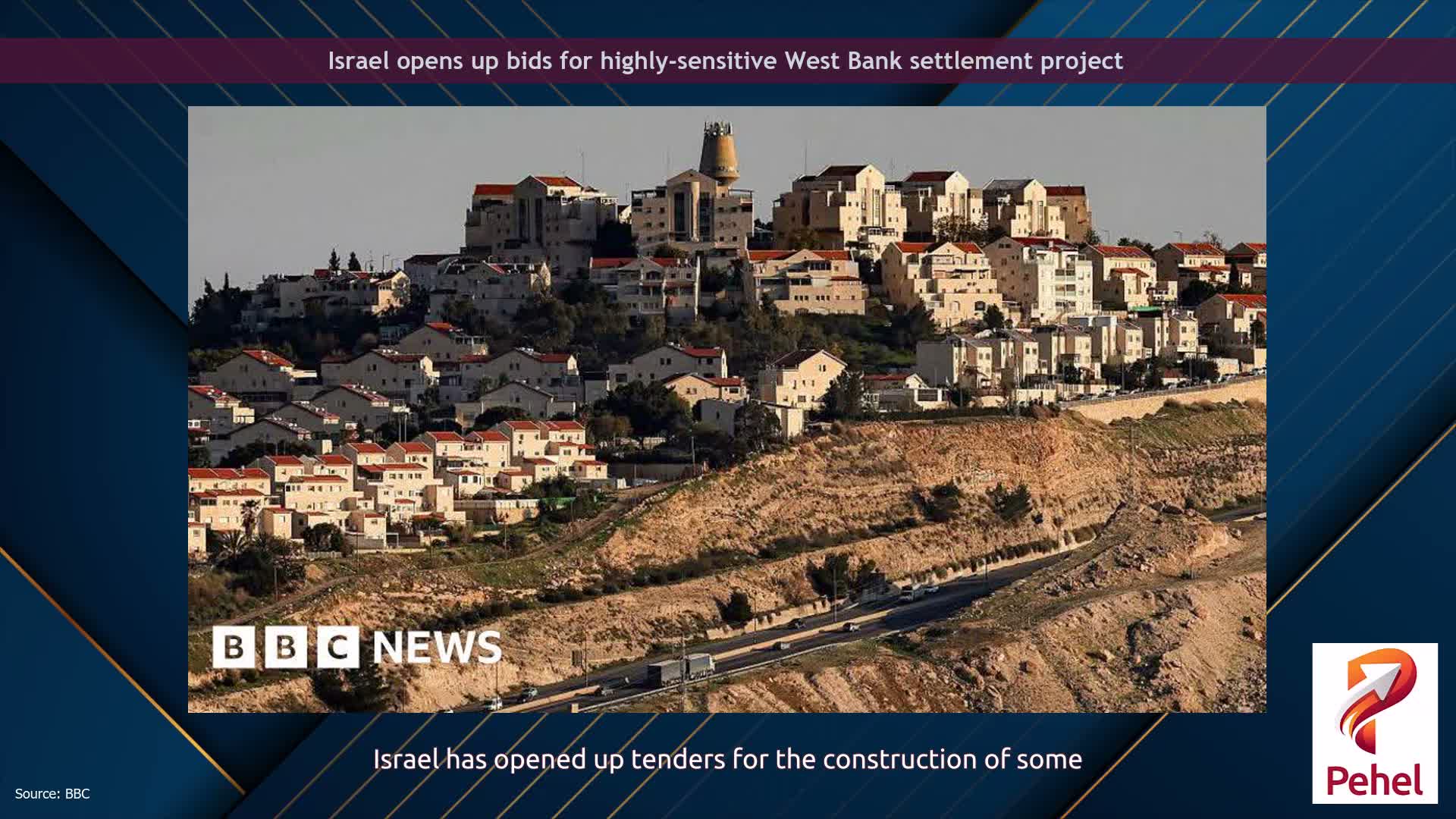
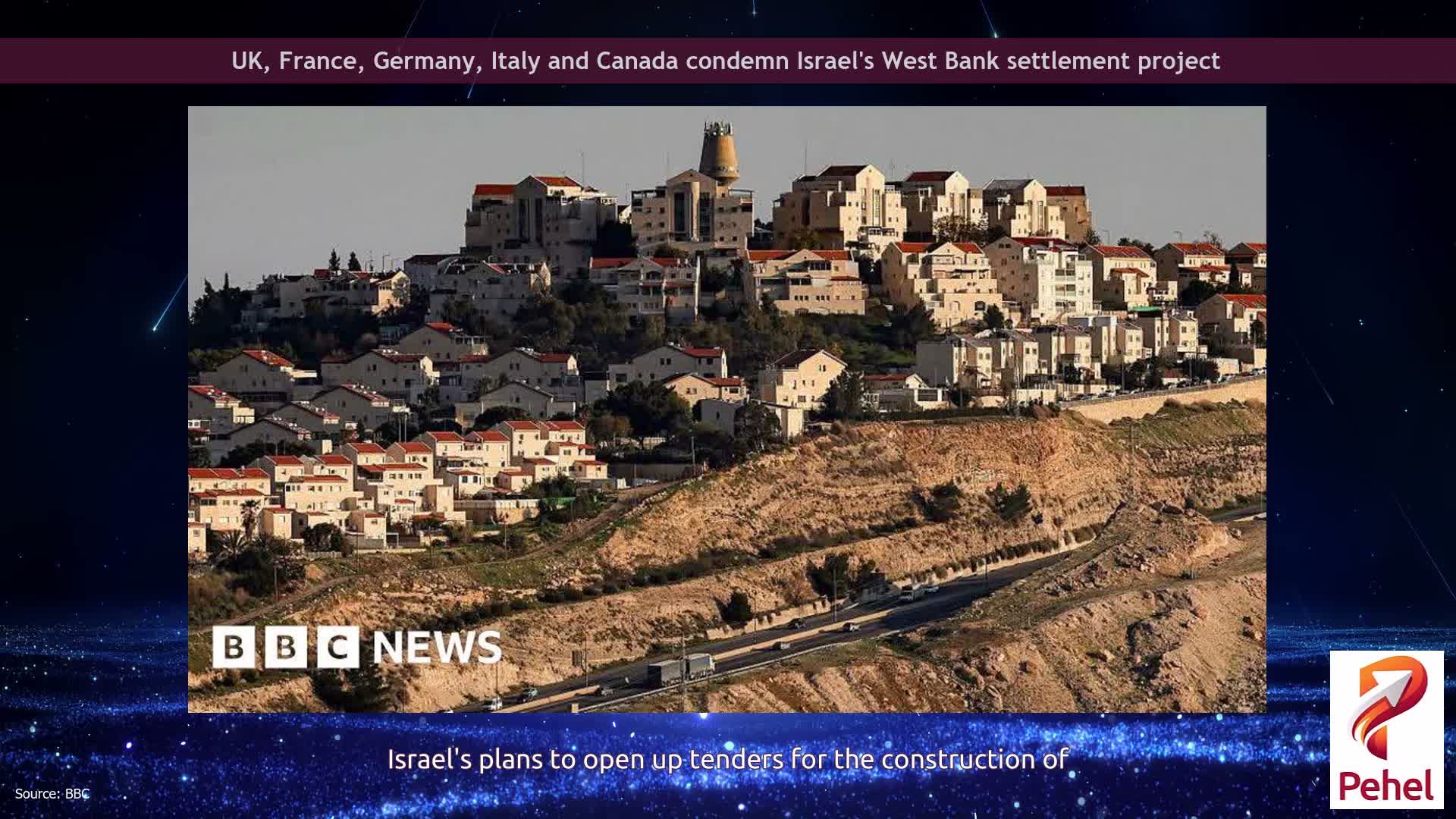
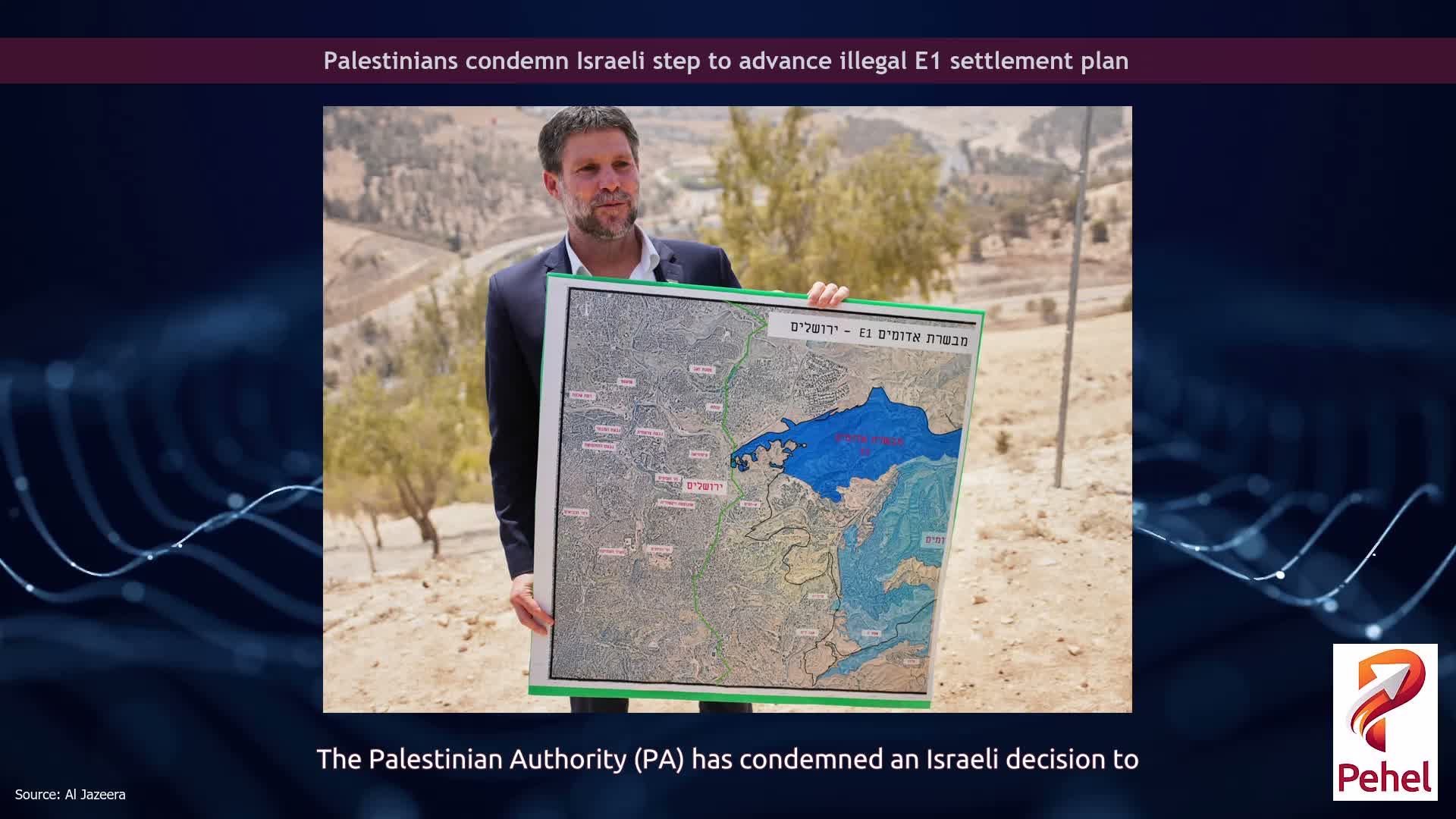
Over the weekend, Ben-Gvir, along with fellow settler Finance Minister Bezalel Smotrich, led thousands of Israeli settlers and activists to Gaza’s perimeter demanding the reestablishment of settlements Israel withdrew from in 2005. In the occupied West Bank, Smotrich has boasted of entrenching his influential Settlements Administration within the Ministry of Defence, while government ministers, including Netanyahu, make reference to the Palestinian population of Gaza “voluntarily emigrating” from what remains of the enclave – raising the prospect of ethnic cleansing.
“This is about provocation, pure and simple,” Yossi Mekelberg, a senior consulting fellow with Chatham House, said of efforts on the extreme right to consolidate their vote and attract more support.
“This is only the beginning. We’re looking at one of the most significant and consequentially the most toxic elections in Israel’s history. Expect more provocations in the West Bank, more marches on Gaza, more talk of settling the enclave and more talk of Palestinians’ voluntary emigration. It’s going to be extremely volatile.”