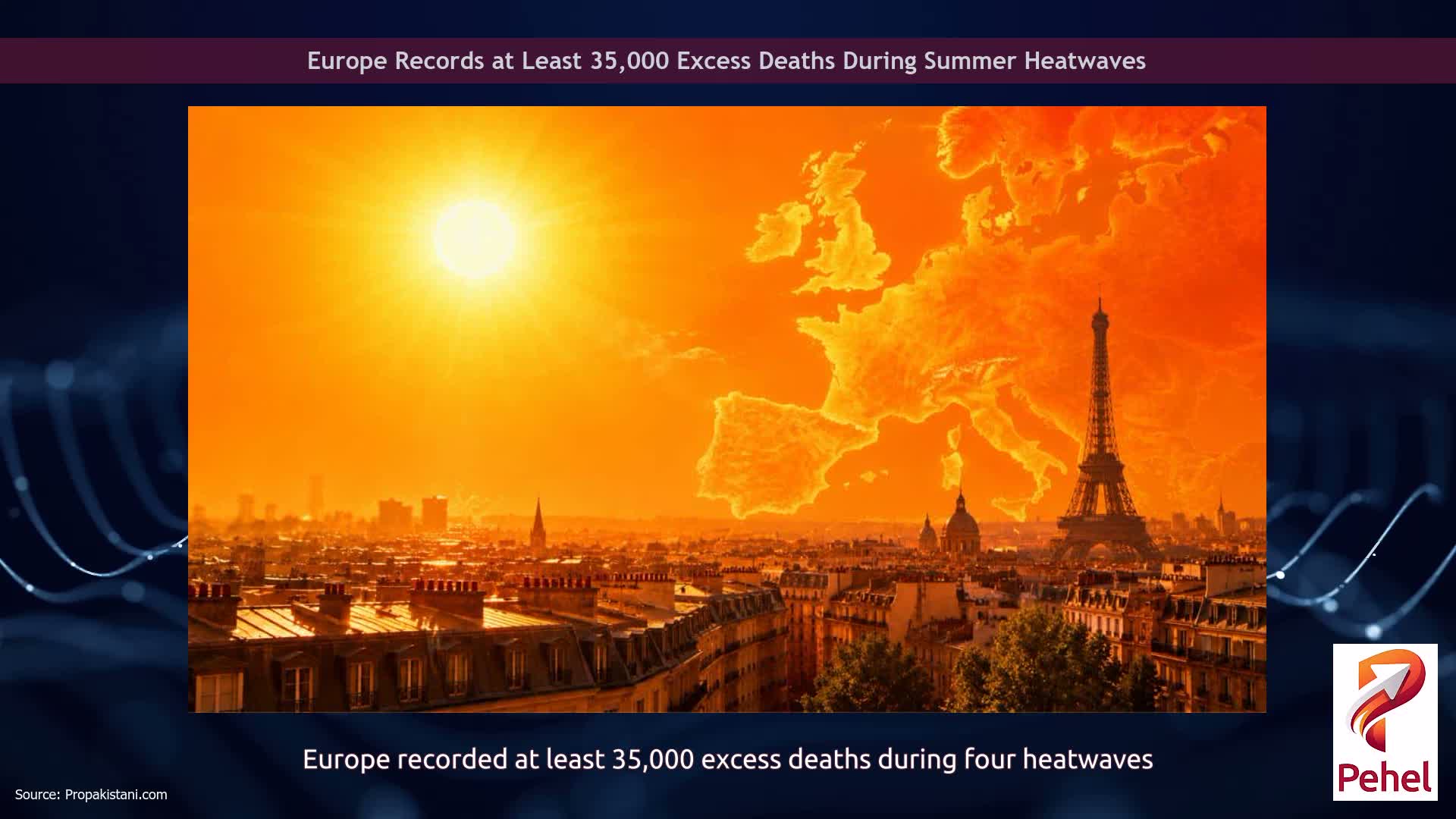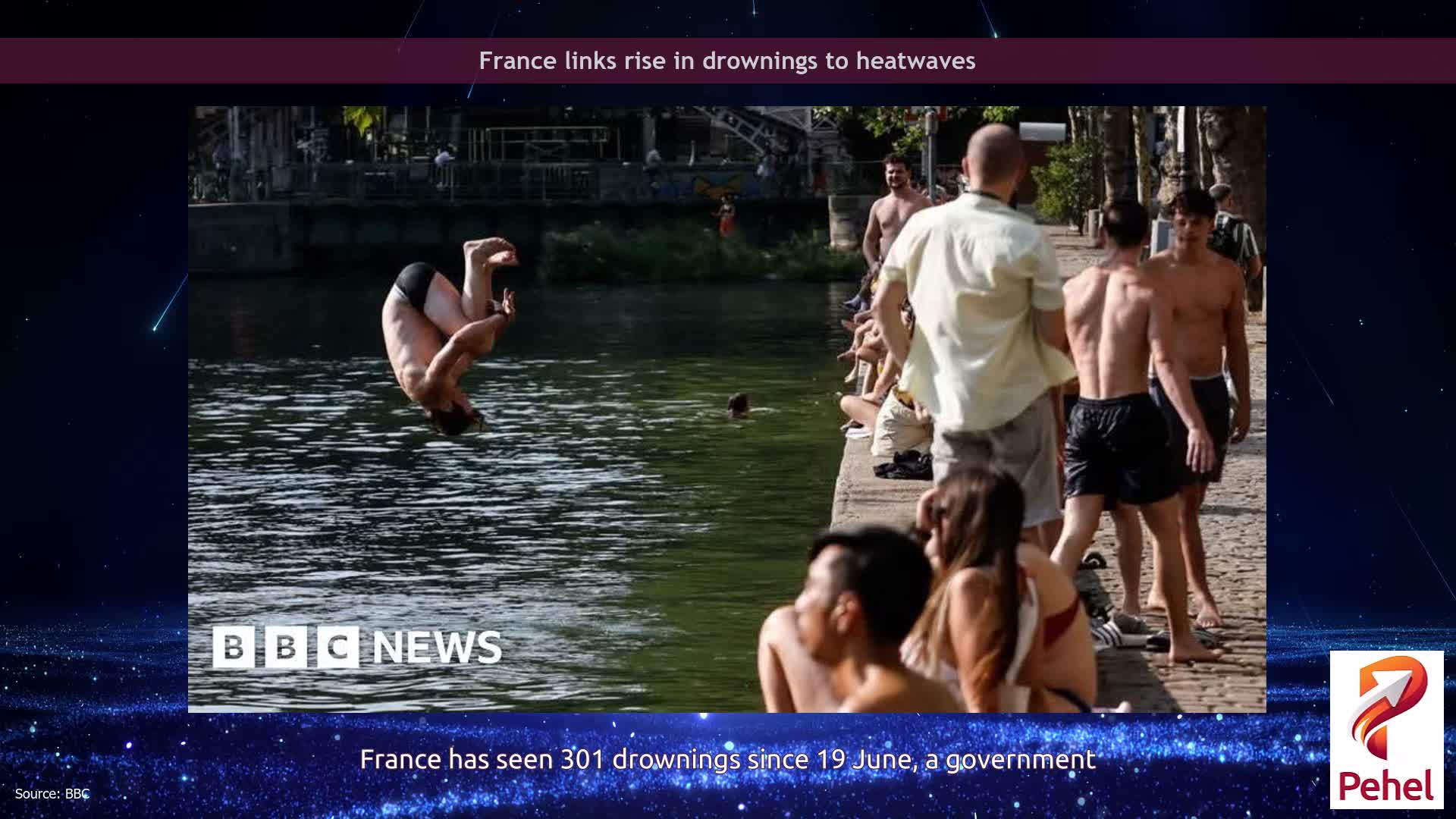
A punishing heatwave sweeping across much of Europe prompted a partial alcohol ban in France, nationwide warnings in Germany and the closure of a soccer fan zone in Spain, as temperatures climbed towards record levels.
France was expecting 35 of its 96 departments or regions to declare red heatwave alerts on Sunday, with temperatures of 39 to 40 degrees Celsius expected from the southwest through the Paris region into Burgundy, with some areas possibly reaching 41°C.
After a crisis meeting, Prime Minister Sebastien Lecornu pre-emptively banned alcohol consumption on Sunday at the annual Fete de la Musique festivals and other public events to be held in those 35 regions on Sunday. Authorities in Paris ordered parks to remain open around the clock, however.
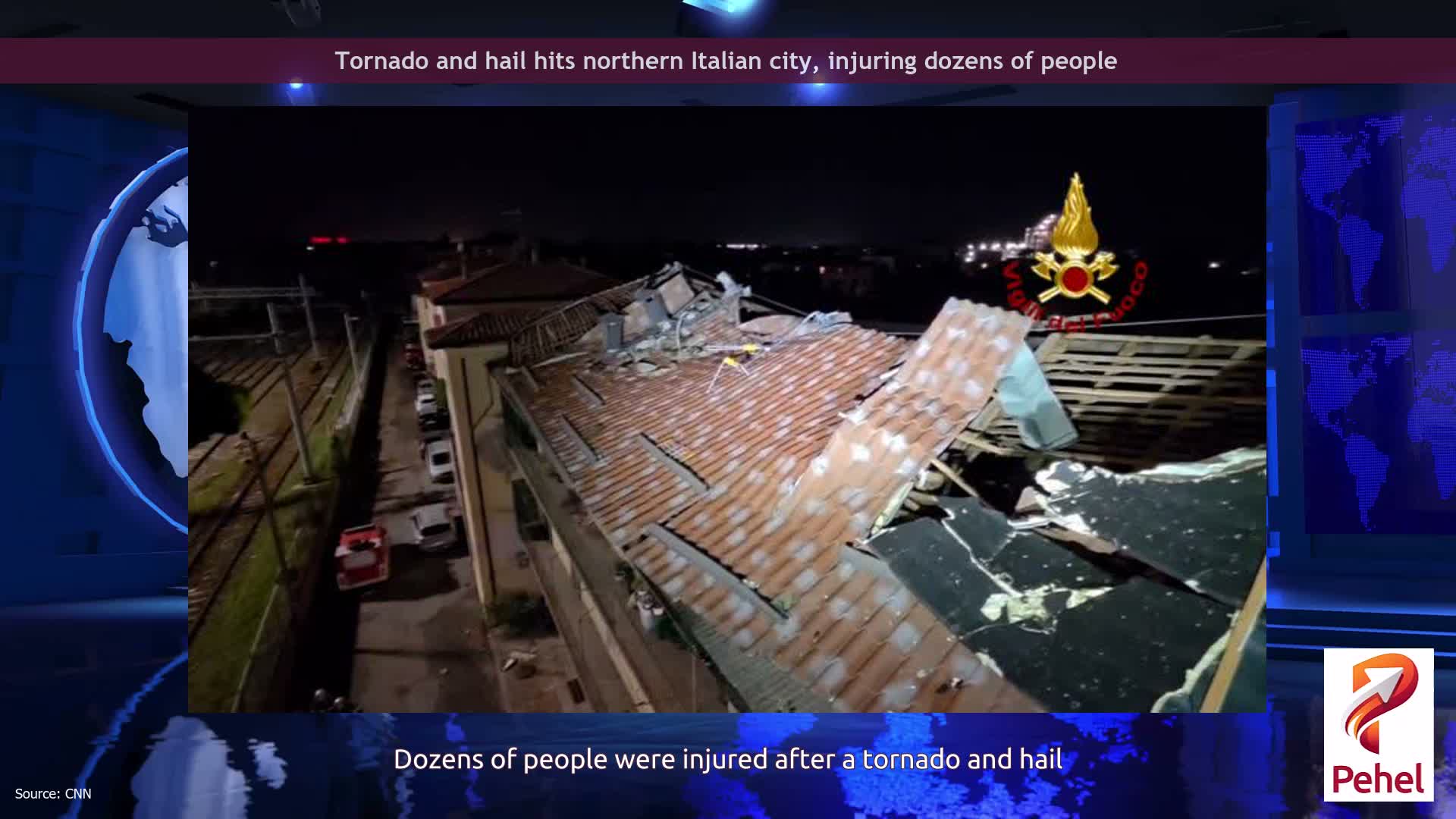
Heat alerts were declared in most of Germany, with temperatures approaching 38°C. The DWD weather service warned that a combination of heat and humidity could trigger severe thunderstorms.
Beyond the Alps, temperatures expected to reach 36 - 37°C were transforming daily life and tourism in some Italian towns.
Visitors queued under a blazing sun outside the Colosseum as Rome’s summer heat turned sightseeing into a test of endurance. Some sought relief in the cooler underground spaces beneath the half-hidden remains of the Temple of Claudius.
In the northern city of Bologna, one of the hottest in the peninsula, people splashed water on their faces at the 16th-century Fountain of Neptune and sheltered in the shade of the porticoes.
But in Spain, the football federation decided to close the fan zone it has set up with giant screens in Madrid’s Plaza de Colon square, meaning fans will have to watch Spain’s World Cup match against Saudi Arabia elsewhere.
Ironically, the teams themselves will enjoy the benefit of an air-conditioned stadium in Atlanta, powered partly with solar panels.
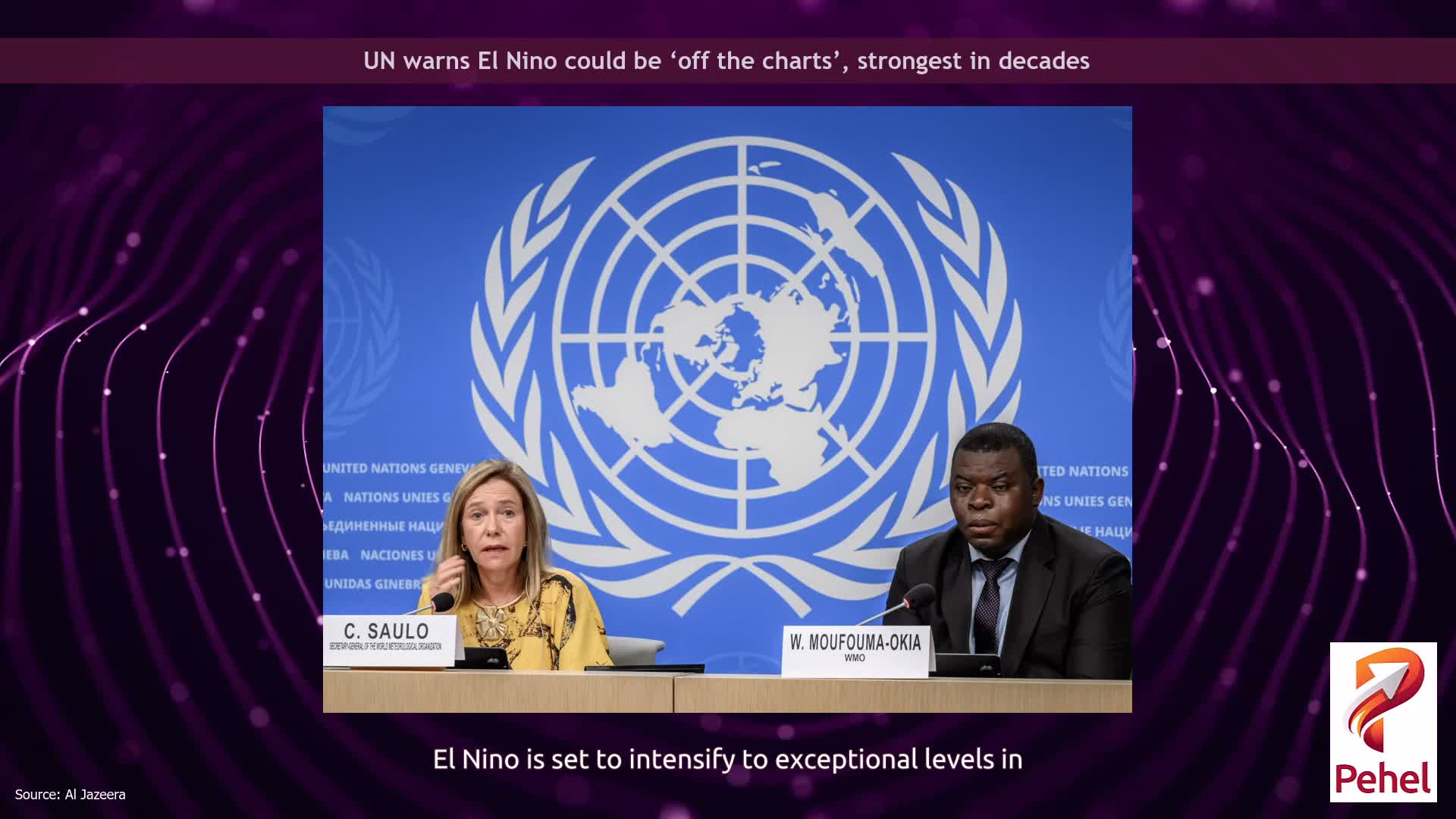
Scientists say climate change is making heatwaves more frequent and intense across Europe, raising the risk of health emergencies and economic disruption during the summer months.
The economic toll of extreme heat is also drawing attention.
Bank of France Governor Emmanuel Moulin said short-term effects on growth were “somewhat ambiguous”, citing both reduced productivity and increased energy use, but warned that over the medium term heatwaves weigh on economic activity.