England led. England lost . England went home. Again.
Anthony Gordon’s 55th-minute goal had the Three Lions dreaming. For 30 minutes, they were the better side, disciplined and dangerous, with one foot in a first World Cup final since 1966. Then came the familiar collapse.
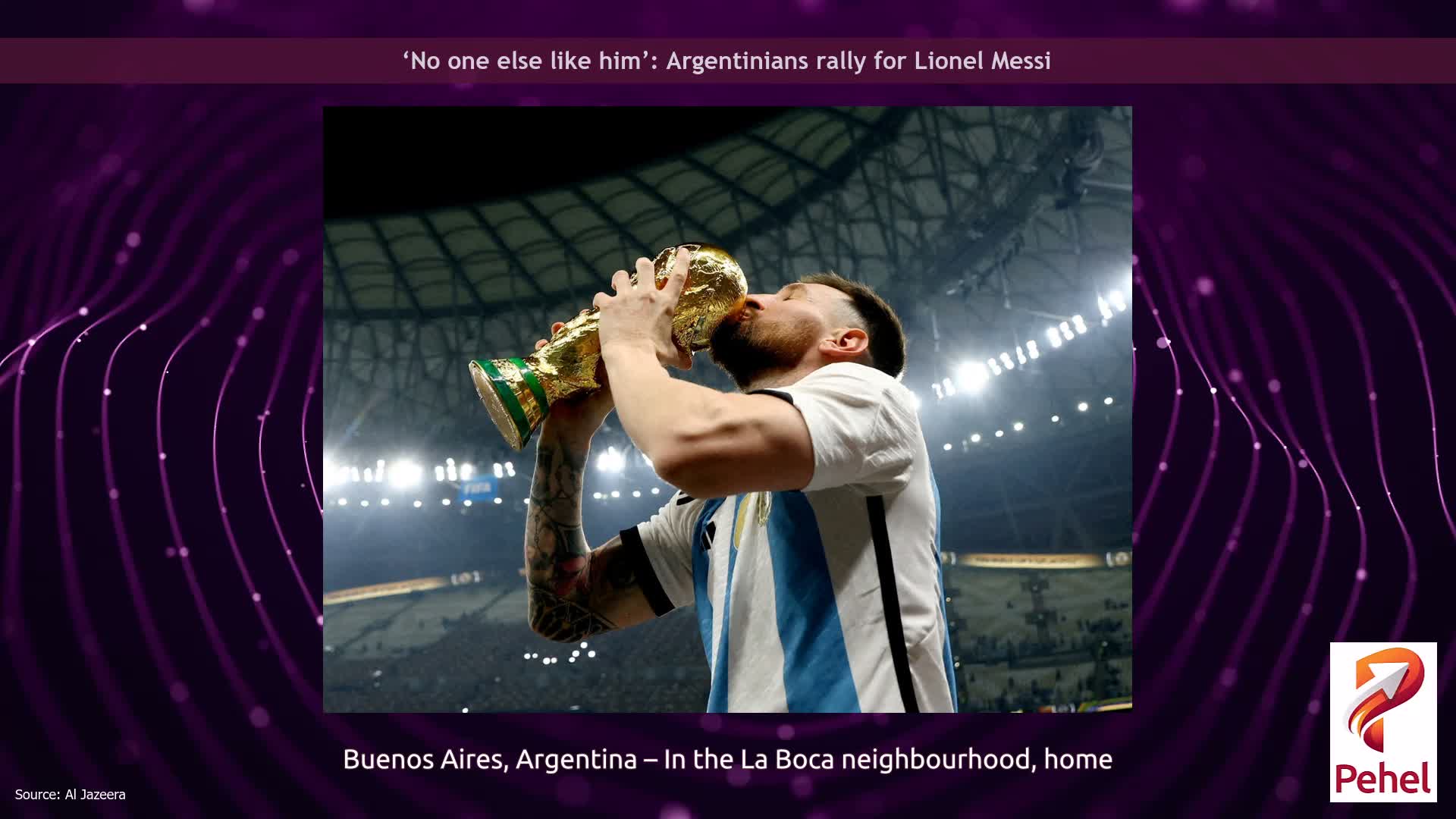
Argentina, ranked number one in the world, did what they do best. Enzo Fernandez equalised in the 85th minute. Seven minutes later, Lautaro Martinez headed home from Lionel Messi’s cross. The dream was over. The heartbreak had returned.
And somewhere in England, a nation that had been singing “It’s Coming Home” for weeks fell silent.
Every nation has a golden generation. England have had about five.
David Beckham, Wayne Rooney, Gary Neville, Rio Ferdinand, Steven Gerrard, Frank Lampard, Paul Scholes — they wore the shirt, carried the hope, and left with nothing. Gerrard later admitted it himself. He called that group “egotistical losers.” He said they never connected, never became a real team.
Now Harry Kane, Jude Bellingham, Declan Rice and Bukayo Saka have walked the same road. Same expectation. Same end.
England have now been eliminated in every single World Cup knockout match they have played against a top 10 ranked nation since 1998. Seven matches. Seven eliminations.
1990: penalties against West Germany. 2018: extra-time heartbreak against Croatia. 2026: a late collapse against Argentina. Three semi-finals. Three different decades. The same ending.
If a tournament could be won on paper, England would have a cabinet full of trophies. But football isn’t played on paper. It’s played on grass, under pressure, and England keep finding new ways to come up short.
Perhaps that’s what Thomas Tuchel was thinking when he named his squad. If that generation couldn’t do it, maybe the next one needed to be different.
He left out Phil Foden, Cole Palmer, Trent Alexander-Arnold, Harry Maguire and Morgan Gibbs-White. He trusted Jordan Henderson, who barely played. He took Ivan Toney, who sat on the bench.
Foden had a poor season with Manchester City. Palmer had an average season with Chelsea. Gibbs-White was ignored. The logic, on paper, made sense. The reality, on the field, did not.
He was looking for the right mix — experience and hunger, grit and creativity, something that would finally break the cycle.
Instead, England are yet again crestfallen. The trophy remains out of reach. The balance remains unfound. The pattern repeats.
Tuchel made a defensive switch at 1-0, bringing on Ezri Konsa and switching to a back five. England retreated. They stopped pressing, stopped attacking, stopped believing. Between Gordon’s opener and Martinez’s winner, England had just 12 per cent possession. They weren’t holding on to a lead. They were surrendering it.
Wayne Rooney called it a collapse. Thierry Henry and Zlatan Ibrahimovic questioned the approach. Tuchel said he had “no regrets.” Perhaps that is the problem.
Former England goalkeeper Joe Hart drew a comparison that stung.
“I think Gareth Southgate will be at home watching this game. He took a lot of criticism for the big moments with England, when they had the lead and shut up shop, and I don’t think anything has changed.”
Tuchel was supposed to be the difference. The one who would finally break the cycle. Instead, he repeated the same mistakes that got Southgate pilloried.
Tuchel defended his decisions, arguing the problems began before any substitutions were made.
“We decided to go to a back five because the gaps were far too open,” he said.
But the decision to protect a lead rather than chase a second goal has become a familiar English story.
There is a reason the “It’s Coming Home” chant has become a meme. It is the sound of hope before the fall. The expectation is always there — not because England have earned it, but because they believe they deserve it.
Argentina haven’t looked invincible throughout the knockout stages. Cape Verde pushed them. Egypt led them. Switzerland frustrated them. But against England, they looked like champions. Not because of what they did, but because of what England didn’t.
As it stands, Tuchel will lead England into the 2028 home Euros, but the questions will linger. Kane said the team was “gutted” and must “find that missing piece.”
England have been looking for that piece since 1966. Sixty years later, they are still searching.
Close is not enough. And until they learn to hold onto a lead against an elite side, England will remain what they have always been.
The only thing coming home is the players. The trophy stays. Again.
That, folks, is England.