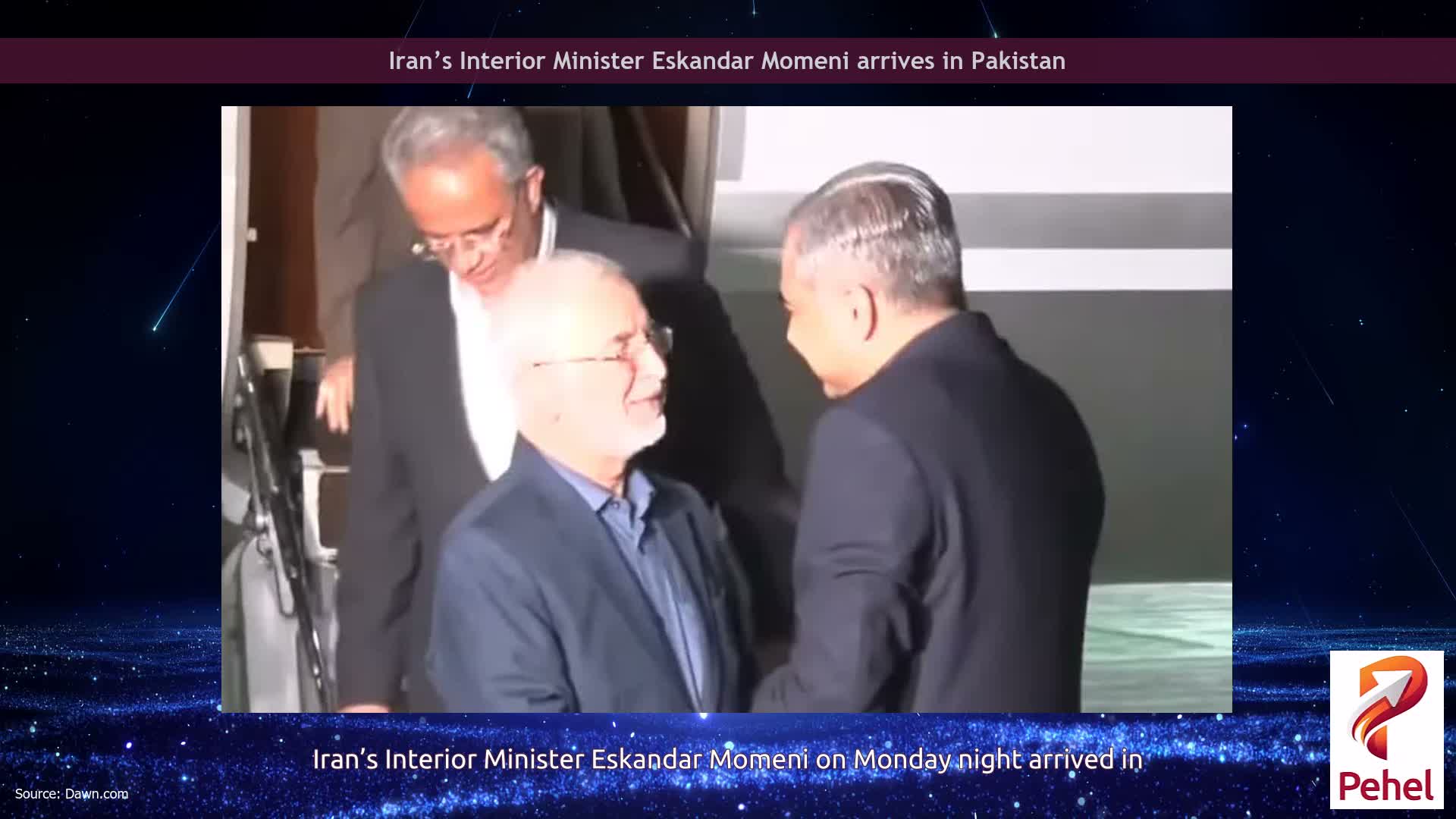
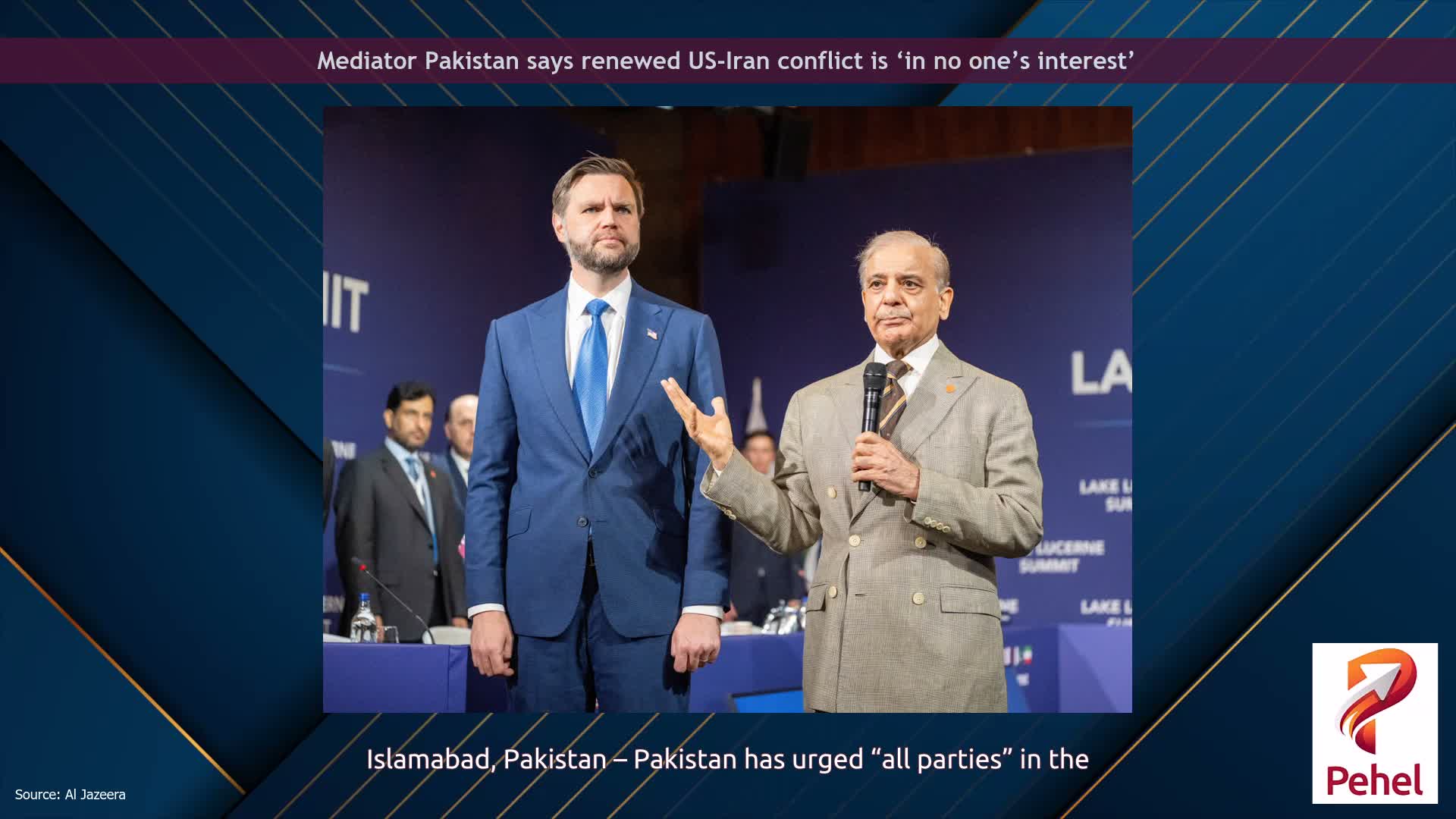
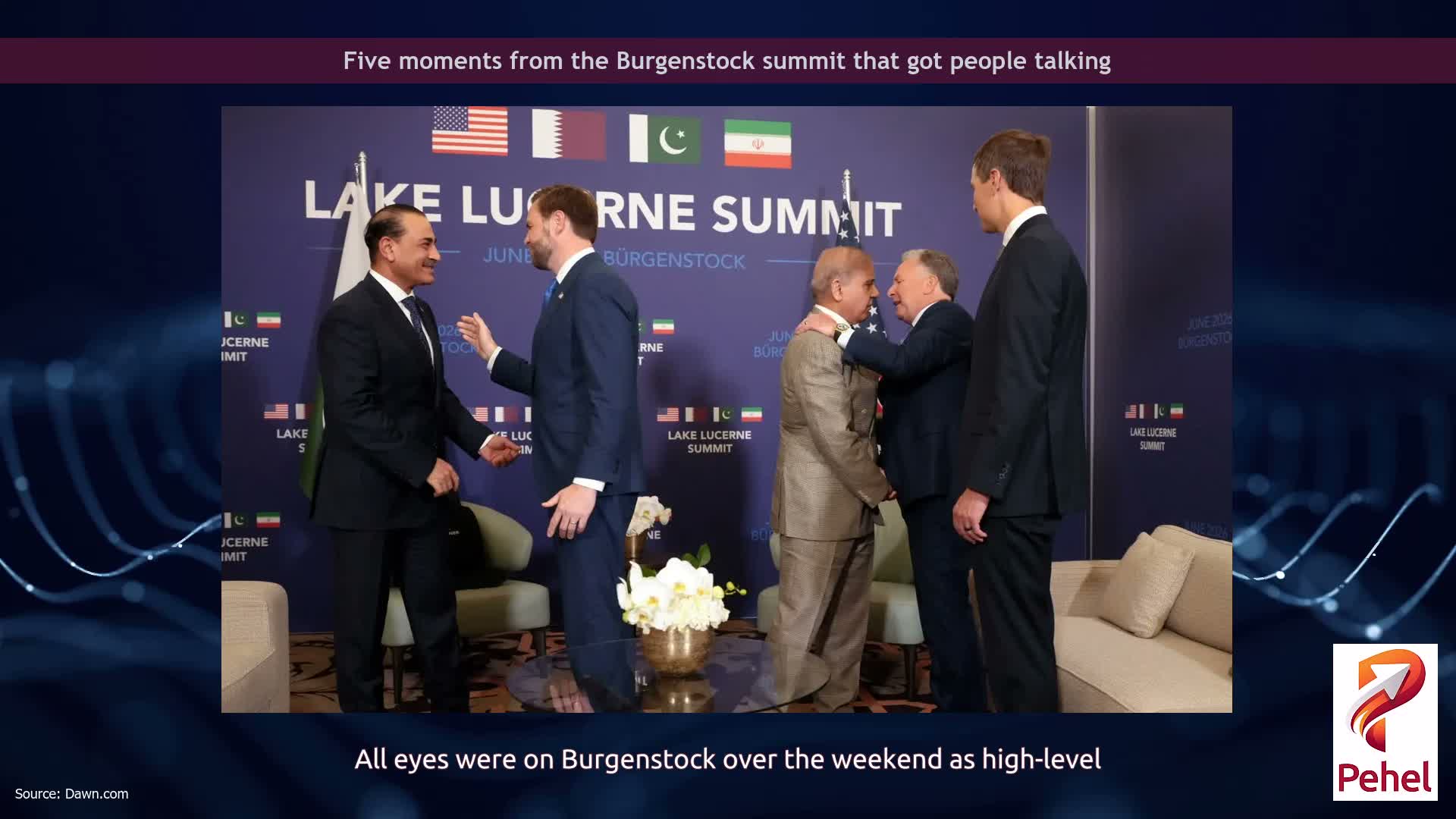
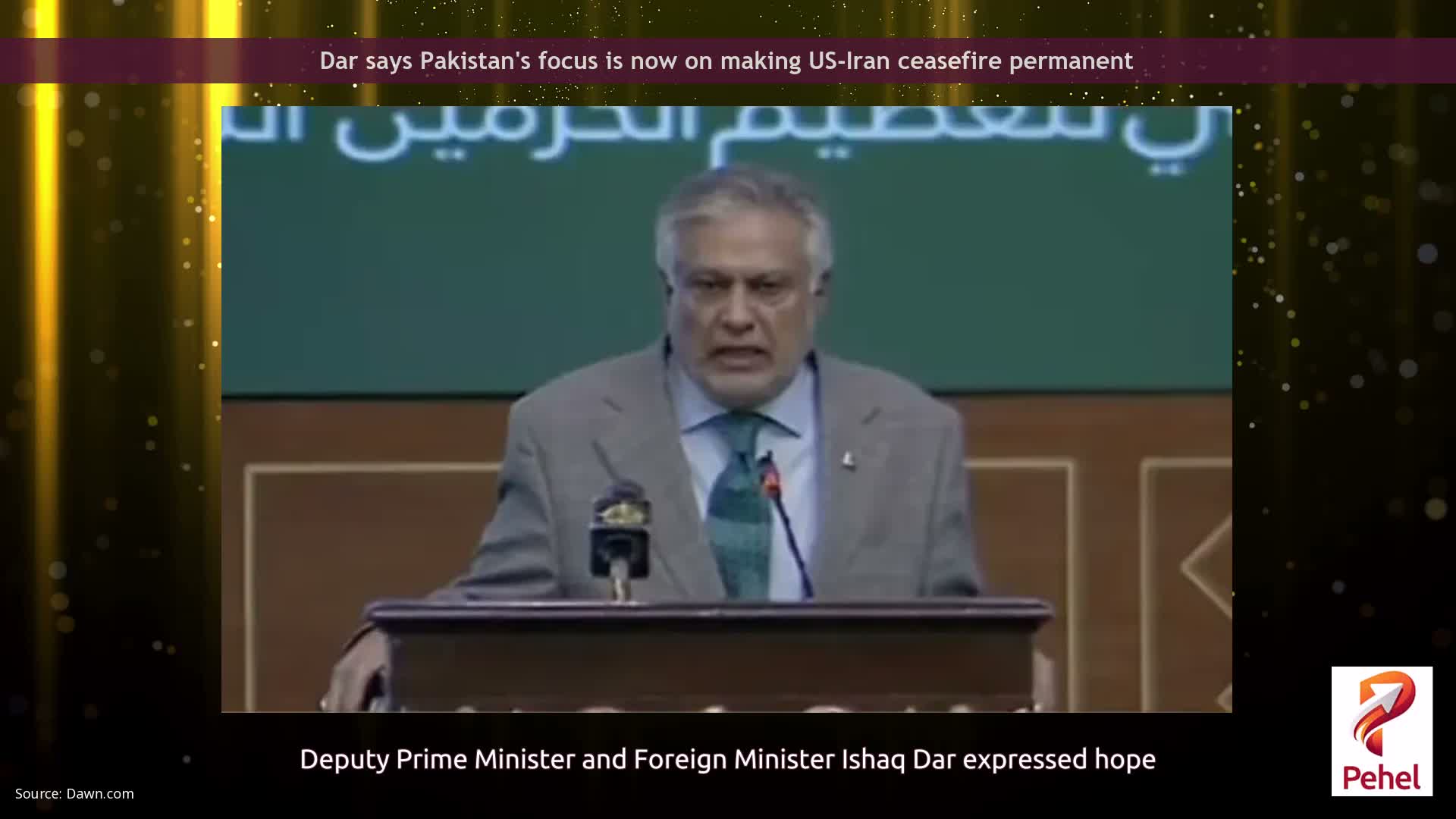
WITH the prime minister having concluded a three-nation tour to marshal support for Pakistan’s diplomatic efforts in the Middle East, and the chief of defence forces wrapping up an important, three-day trip to Iran, attention turned once again to Islamabad over the weekend.
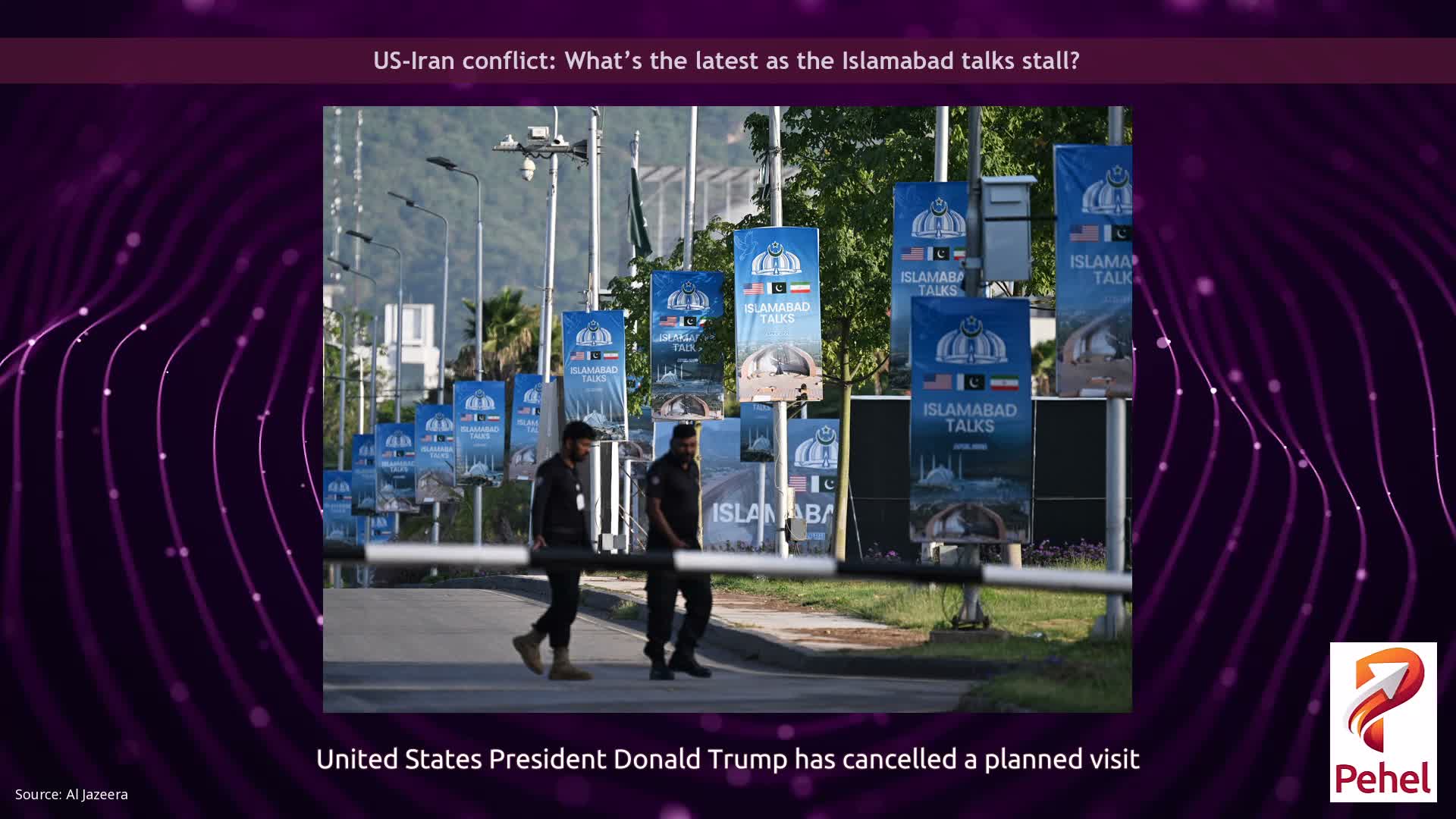
Even though key stakeholders have been silent about setting a date, the federal capital, it seems, is already preparing to host another round of high-level engagements, with security plans and logistical arrangements being put in place to welcome high-profile foreign dignitaries. Routes along which VVIPs are expected to travel have been cleaned and spruced up, curbs have been repainted, and the CDA was said to have engaged in some feverish landscaping, according to local media reports. Offices in the Red Zone have been told to stay shut, and traffic diversion plans are being devised to ensure that everything stays smooth and in control during what is expected to be the most important event Pakistan has hosted in years.
By all accounts, the Pakistani civil and military leaderships have outdone themselves. They have already earned much respect and gratitude not just on both sides engaged in the war, but also in world capitals weary and worried about where the hostilities had seemed headed before the ceasefire was called. The leadership is now aiming for the ultimate goal: a formal agreement or memorandum between the US and Iran that brings lasting peace to the region.
It seems that the negotiations did not end after US Vice-President J.D. Vance’s abrupt departure last Sunday, and much continued to be discussed and deliberated through backchannels, facilitated by Pakistan, long after the negotiating parties had left. US President Donald Trump’s flurry of posts on his social media platform on Friday made it seem as if the war was all but over.
Yet it would perhaps be too optimistic to expect that this nightmare is over. There have been rumblings over the weekend, with the terms of the ceasefire being tested in Lebanon and leaders on both sides still sticking to rigid positions over the Strait of Hormuz and locked in a war of words. With no date formally announced for round two and the clock on the ceasefire running out, there was uncertainty over how the chips would fall. While negotiations have clearly reached a very advanced stage, the last few hurdles that remain must also be removed.
Both sides, it seems, will need to make some more sacrifices if they wish for the hostilities to stop. If efforts to bring Iran and America to a long-term settlement are successful, and a treaty or a precursor to one is signed in Islamabad, Pakistan will deserve credit for pulling off what had once seemed highly improbable. Much is riding on the events of the next few days. One can only hope for the best.
Published in Dawn, April 20th, 2026