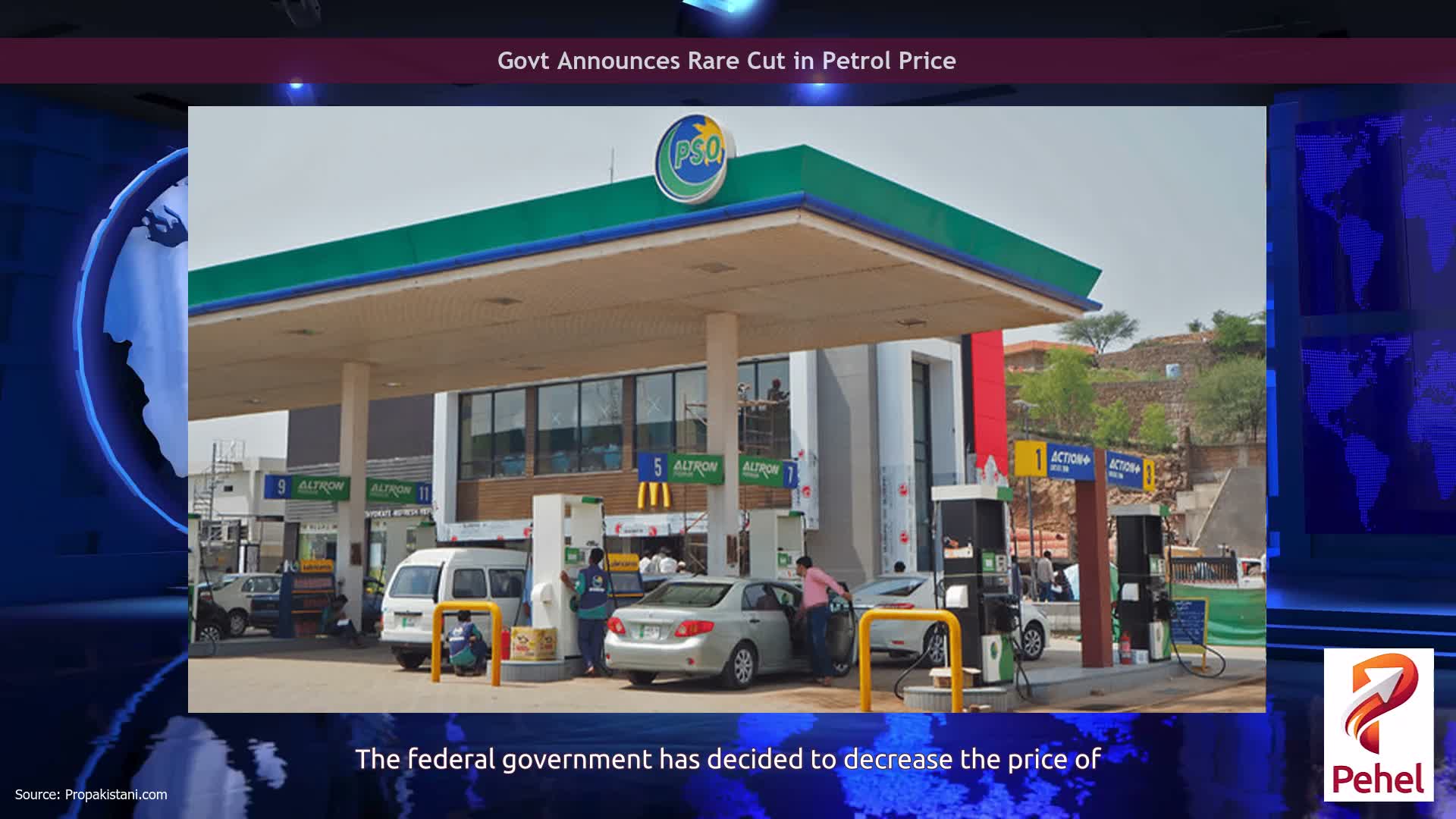
Pakistan has recently taken another step towards market-reflecting petroleum pricing, a process that started in 2002. Pakistan transitioned from weekly (earlier fortnightly) reviews to daily price adjustments managed by the Oil and Gas Regulatory Authority (Ogra). Retail prices for petrol and high-speed diesel (HSD) are now determined using a formula tied to a rolling average of the past seven days’ Platts benchmark rates. Ogra is publishing the updated prices on its website daily.
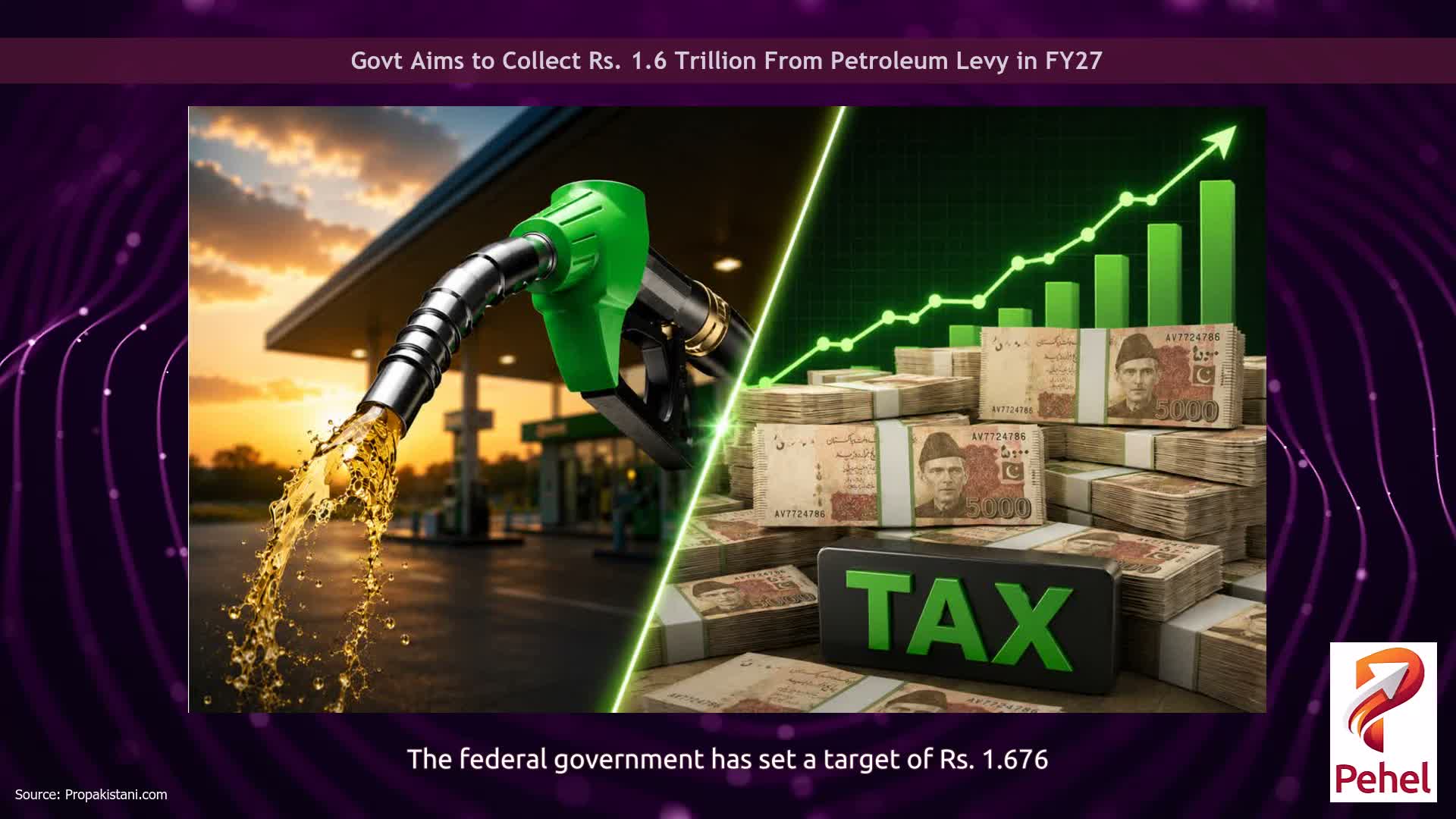
But is this deregulation? One would argue no, since Ogra still determines the price based on government-set parameters. What has changed is the frequency of price setting, not the fact that the government is setting prices. The petroleum levy remains entirely under state control, used for revenue generation, and adjustable only with the finance ministry’s approval. Diesel imports remain restricted to a single state-owned company, PSO.
Moreover, retaining the inland freight equalisation margin (IFEM) preserves centralised price equalisation, which runs counter to the spirit of deregulation. And the deemed duty, a hidden tariff-protection charge built into the ex-refinery price of locally refined fuel, continues to distort competition between imported and domestic products. In other words, no deregulation in any meaningful sense.
Apparently, the government frames daily pricing as a way to eliminate windfall gains, curb market abuse, and let domestic prices reflect international fluctuations instantly, removing the incentive for speculative hoarding that periodic adjustments used to create. The government says that this is the first step toward “efficiency and private-sector participation.”
Genuine deregulation requires much more than daily price revisions
But the issue isn’t the reform itself, but its timing and approach; this reform looks like a crisis response, not the real reform. Pakistan first moved from biweekly to weekly revisions in March 2026, after the Iran-US war rattled oil markets. Now, with renewed hostilities and disruptions in Hormuz, the government has jumped to daily adjustments as of July 21, 2026. Under calmer circumstances, this same move would have carried far more credibility.
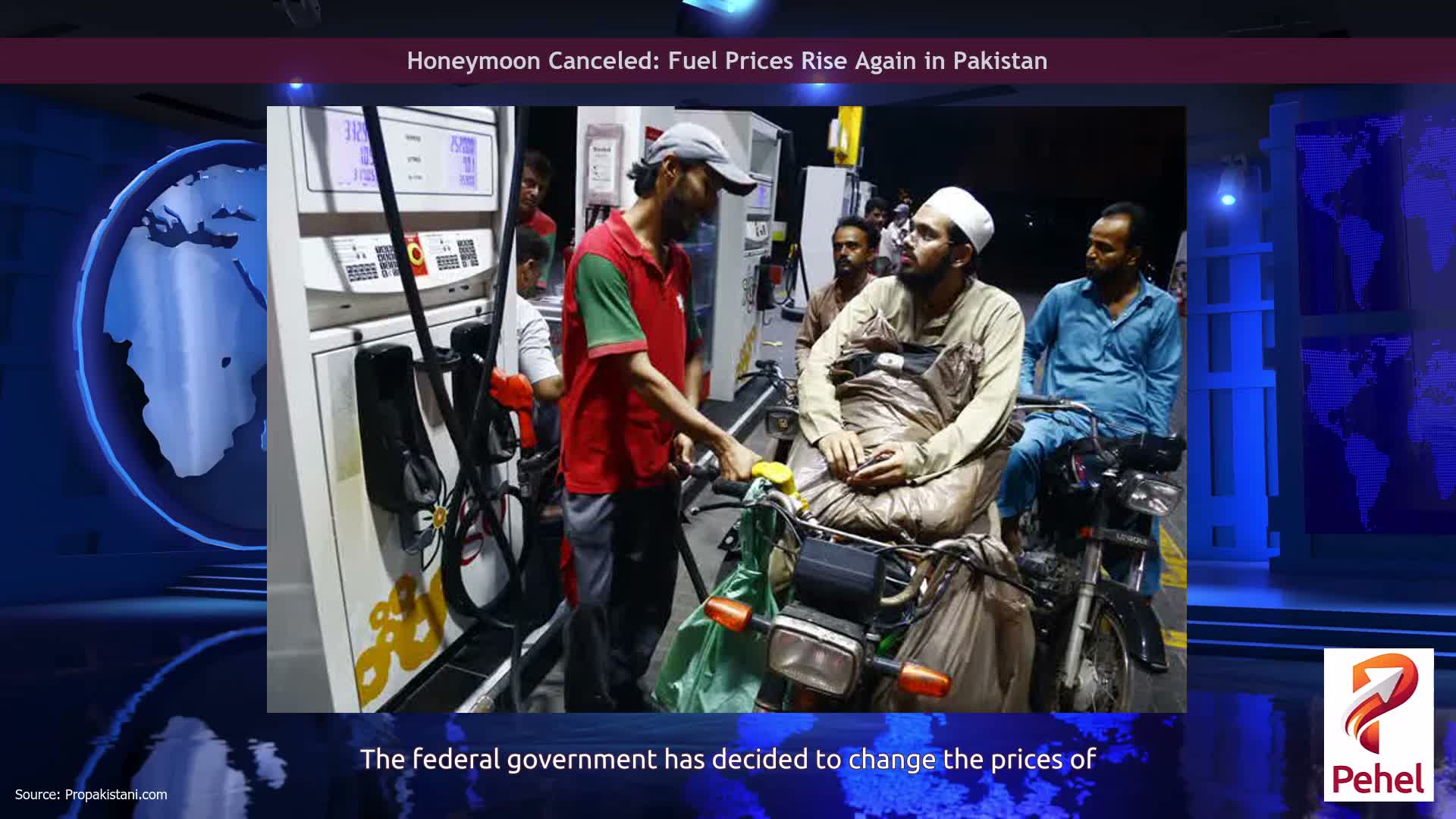
Daily pricing is, in effect, a hedge for the government; it no longer has to bridge the gap between import costs and retail prices. The burden on consumers may not be larger than under the old system, where they eventually absorbed the full international price anyway. But consumers have already spent nearly three years absorbing record pump prices (eg, Rs331 in September 2023 and Rs458 in April 2026), driven by either currency depreciation, rising levies, or global volatility. The current reform has come at a time when the population is already fatigued by fuel prices, regardless of how theoretically sound it may be.
There’s also a transparency problem. If this reform is meant to share the burden more fairly between government and consumer (as claimed), the levy record suggests otherwise: when global prices fell, savings were absorbed through levy increases rather than passed on to consumers. There is, at present, no mechanism to cushion even low-income consumers from rapid global price volatility.
The petroleum industry response is mixed. The Oil Companies Advisory Council has supported this move for its potential to enhance market responsiveness. But retail dealers have raised concerns. They argue that daily price changes are impractical for inventory management, as many retailers lack the necessary automated systems to adjust pricing and manage cash flow effectively. The dealers’ associations are seeking an increase in their profit margin from the current fixed margin of Rs8.64 per litre (roughly 3.12pc to 3.60pc of the fuel invoice price) to 8pc. If approved, this would further add to the consumer burden.
This raises another question: Was this the right time for a major reform, when systems are not in place? Consultation appears to be happening after the decision rather than before it.
Pakistan is not alone in facing this global shock. Several countries responded by adjusting the retail prices of petroleum products, but this does not change the underlying pricing mechanism. Pakistan stands out because it is doing both: raising prices and overhauling the mechanism, mid-crisis.
This does not suggest that petroleum pricing should remain under permanent government control. Controlling fuel prices through government intervention has proven to be an unsustainable long-term solution for a country that relies heavily on oil imports. The need for reform is clear. However, if the government had engaged with stakeholders earlier and awaited more stable market conditions, it could have implemented the same reform with less opposition and greater credibility.
Moreover, genuine deregulation requires much more than daily price revisions. Progressing towards it requires careful planning. The challenging process of granting pricing authority to a competitive market demands that specific requisites be met.
In a deregulated market, detailed and transparent reporting of import-parity calculations, benchmark prices, exchange rate assumptions, freight costs, and reconciliation adjustments is essential to build consumer and investor confidence. Only reporting numbers daily on the Ogra website will not be enough.
Removal or reform of existing distortions is necessary. The deemed duty, if it must continue at all, should be time-bound and explicitly tied to verified refinery-modernisation outcomes, rather than implicitly embedded in the ex-refinery price. IFEM should face the same scrutiny. Under true deregulation, market forces, not the state, set retail prices. Oil marketing companies set their prices based on their costs, including transportation and storage, as well as their competitive positioning, meaning prices may legitimately vary across cities or regions.
A truly deregulated petroleum market relies on competition and strict enforcement against collusion and market abuse to ensure the benefits of competition reach consumers. Effective regulatory oversight (which is currently missing) is extremely important in a deregulated environment. Experience from liberalised energy markets around the world shows that strong regulation is often more important after deregulation than before. Therefore, reform the regulator first before any other reform.
The writer is an economist and researcher with expertise in the energy sector
Published in Dawn, The Business and Finance Weekly, August 10th, 2026