Ousted Bangladeshi Prime Minister Sheikh Hasina says she plans to return to the country from exile in December, despite a death sentence passed during her two-year stay in India.
The 78-year-old former leader told the Reuters news agency in an interview published on Friday that she plans to return to Bangladesh alongside senior officials from her Awami League to launch a challenge to the legal shuttering of the party.
Her return could jolt efforts to stabilise Bangladeshi politics following the 2024 revolt against her increasingly authoritarian rule, which saw her flee after a deadly crackdown failed to quell a student-led uprising .
However, it may also help to improve ties with India, which have been strained by New Delhi’s decision to offer her refuge.
“They may arrest me on my return, they may even kill me,” Hasina said during the telephone interview from the Indian capital, to which she fled two years ago. “Still, I have to go. If death comes, I want it to come on my own soil.”
The former prime minister said that her return is a coordinated effort to challenge the legal actions taken against her party, the Awami League , which has been banned.
Hasina has urged other exiled party members, including former Home Minister Asaduzzaman Khan Kamal who also faces a death sentence, to join her.
“All together, we will all surrender in court,” she said, insisting that legal proceedings against her are “farcical”.
However, the current authorities have made it clear that they are in no mood to offer quarter to the former leader.
“After such brutal murders and genocide, the mass murderer Sheikh Hasina has no remorse to this day,” Home Minister Salahuddin Ahmed said at an event on July 4, commemorating the second anniversary of the uprising, reported Bengali daily Prothom Alo.
“The Awami League has been politically destroyed, eliminated and buried in Delhi,” he added.
Sheikh Hasina’s 20-year tenure across multiple terms transformed Bangladesh’s economy, lifting millions out of poverty and turning the nation into a global garment export powerhouse.
Yet, her landmark achievements in infrastructure and development were overshadowed by a stark descent into authoritarianism , systematic suppression of political dissent, and rigged elections.
She has begun reorganising her party from abroad, holding online meetings with more than 100 parliamentary constituencies.
While she acknowledged she may be barred from contesting future elections due to her conviction, she criticised Dhaka’s suppression of her political faction. “Why should they suspend the Awami League?” she told Reuters. “If we have done badly, let the people decide.”
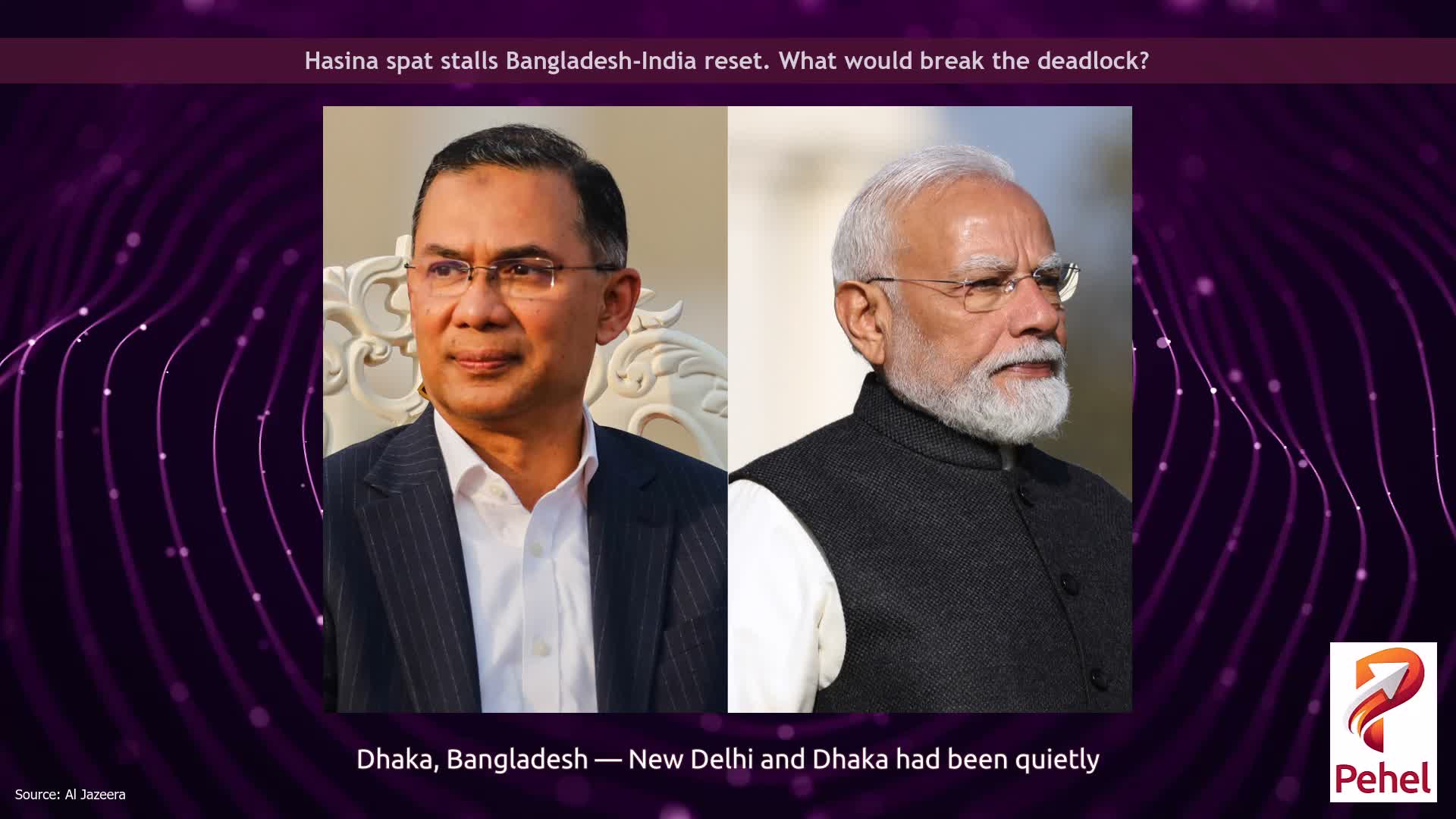
Meanwhile, Hasina’s presence in India has been a major point of friction between the two neighbours.
Bangladesh’s new authorities have repeatedly demanded her extradition, and the Indian media have noted that New Delhi has found itself in a diplomatic bind.
Indian officials have previously stated they are examining the extradition request and wish to “engage constructively” with Dhaka.
Hasina’s decision to return voluntarily could potentially defuse the bilateral tension.