As children arrived at the Ukrainian Global School in Kyiv for the start of a new school year on Tuesday, they went straight to the basement.
Given the near-constant Russian attacks on the capital over the past few days, the school decided it was no longer sustainable for the students to down to the underground shelters whenever an air raid siren rang. Instead, they will have their classes there.
“This is a significant change,” the school told parents and guardians in a letter marking the start of the new school year. “Now, during an air raid alert, there’s no need to run anywhere, interrupt classes, or wait for hours to resume learning. The children are already where it’s safe. And school simply continues.”
In an effort to lighten the tone given the grim situation facing students and their families, the letter framed the move as taking school “to a whole new level.”
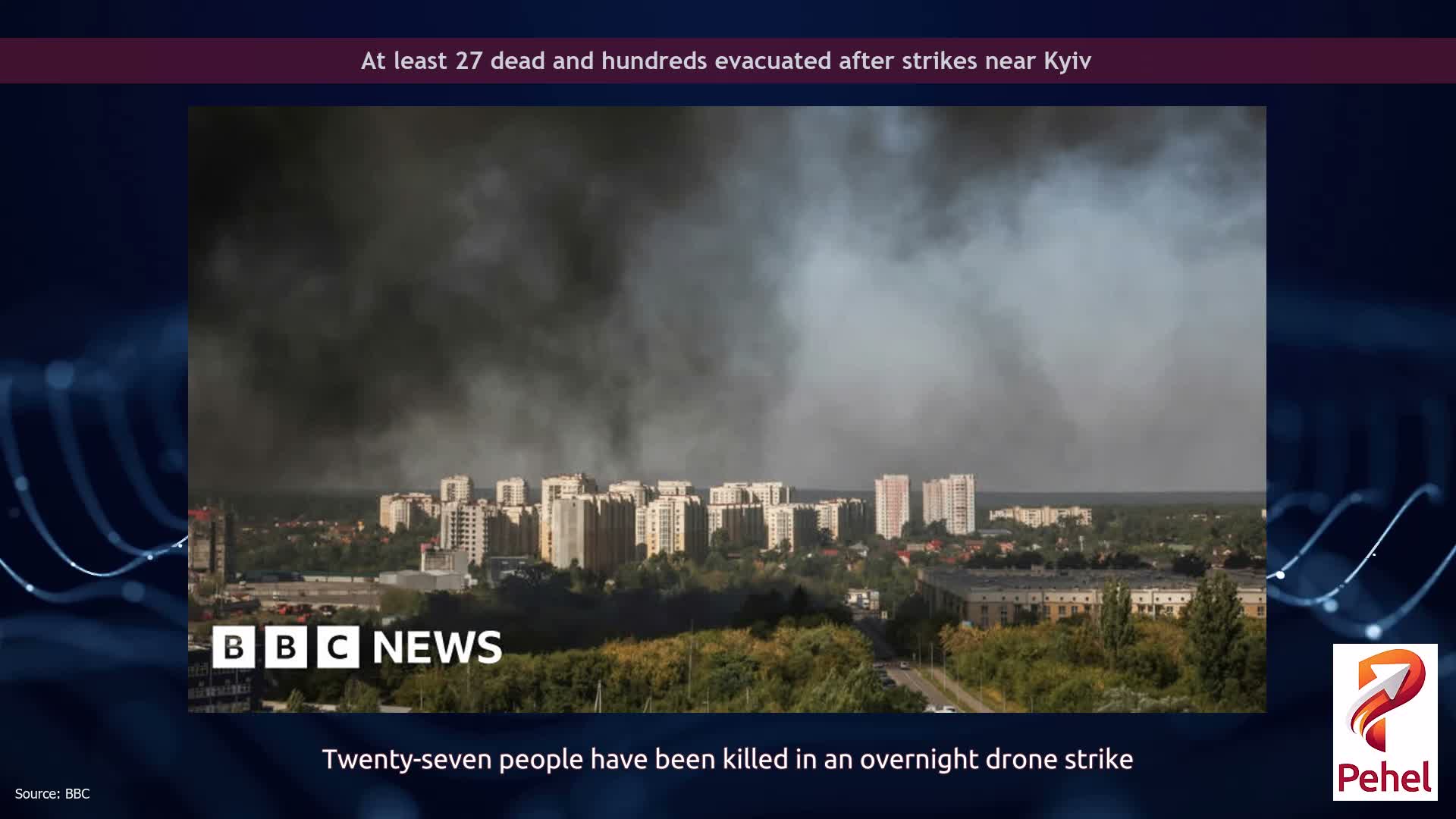
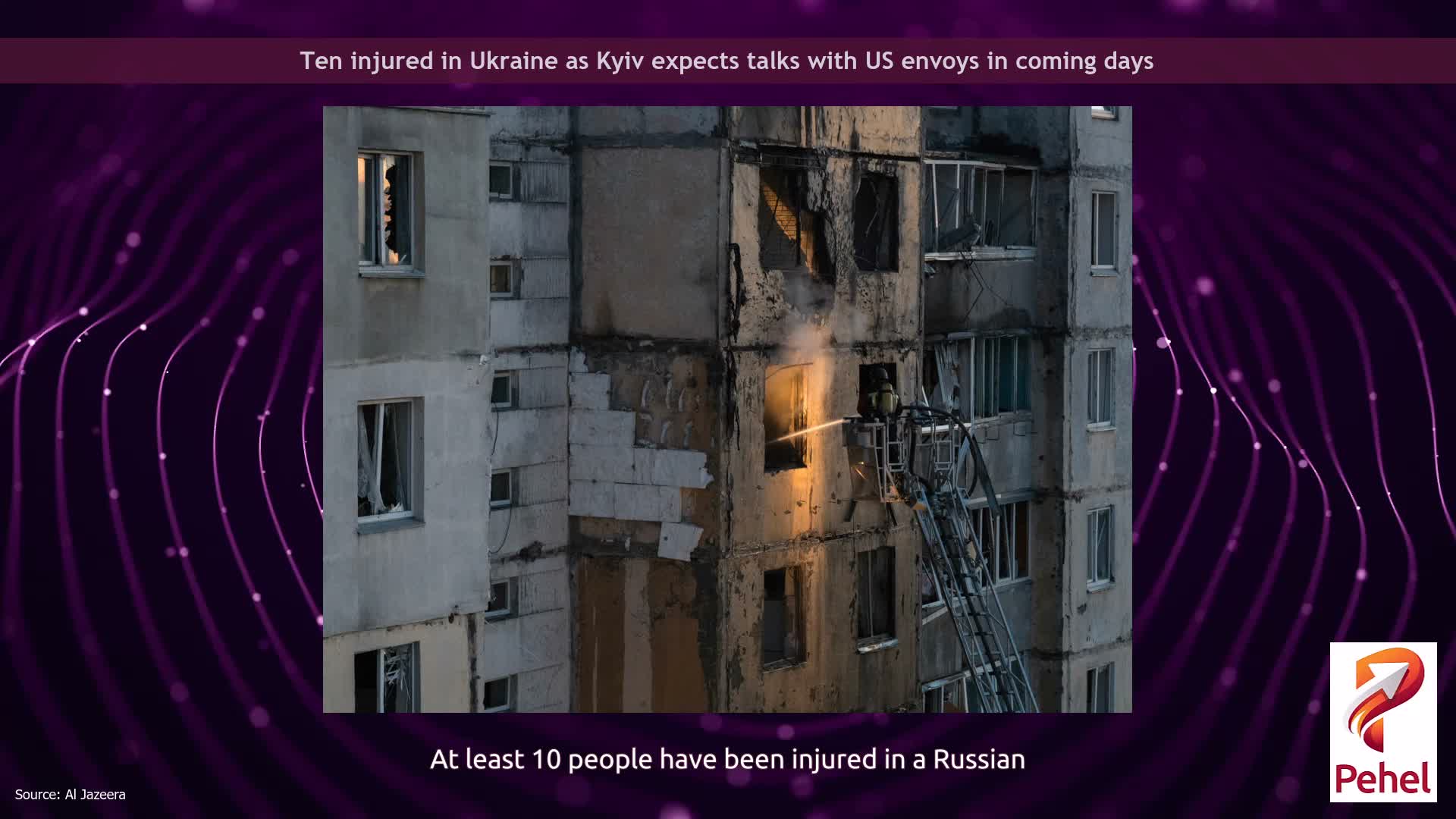
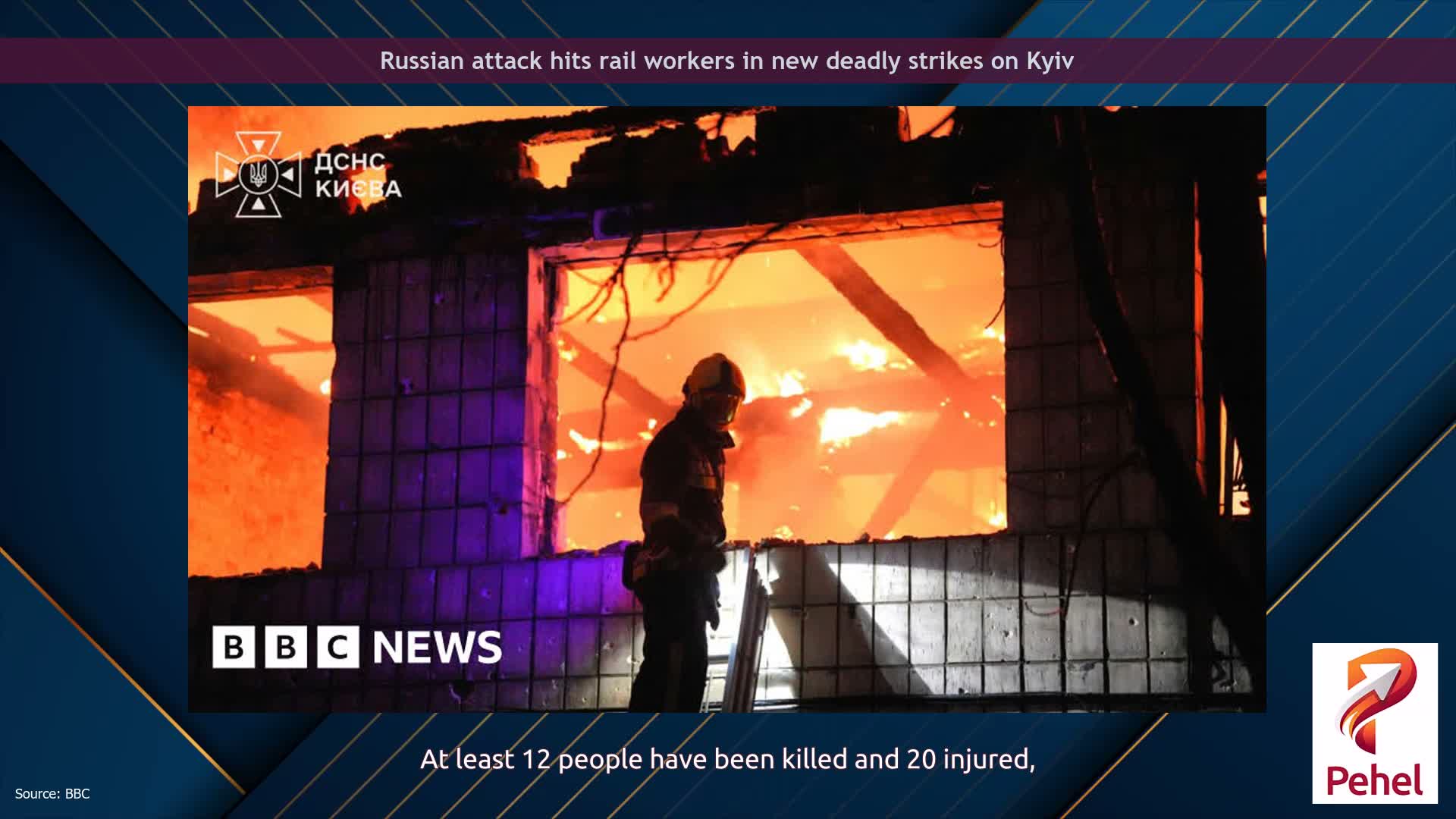
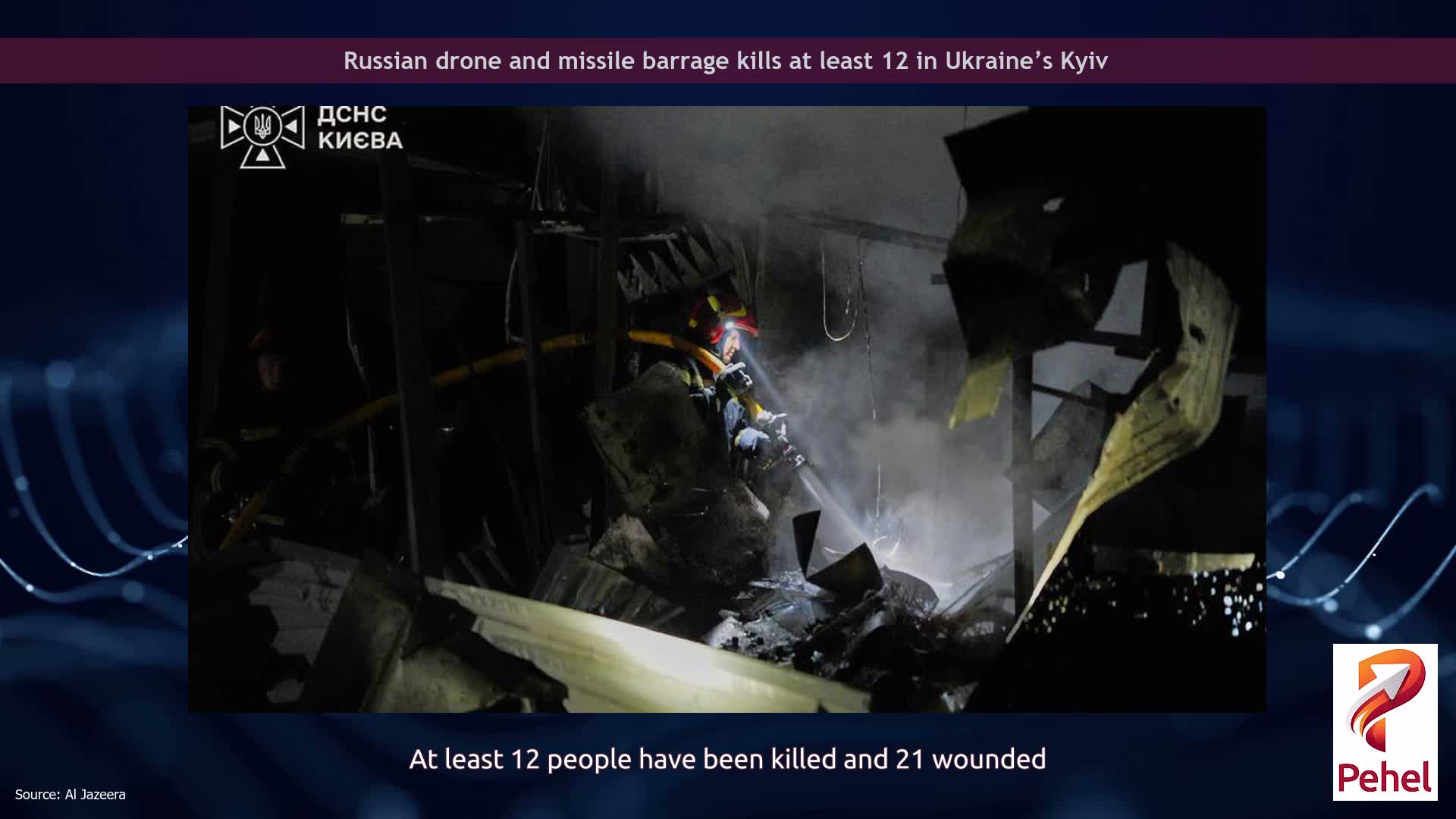
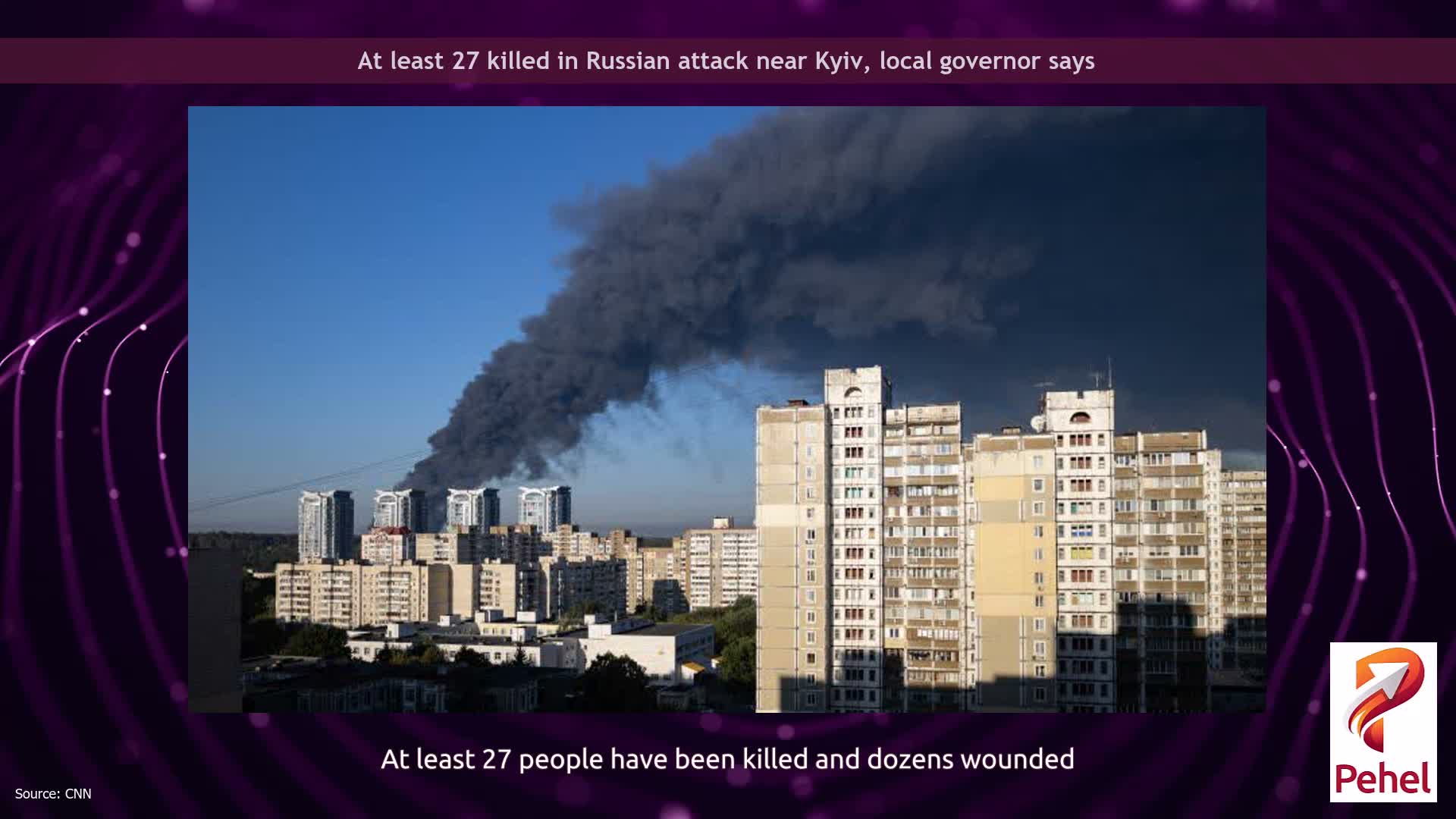
Russia has been pummelling Kyiv with what is now the longest, most intense aerial attack against the capital – just as Ukrainian families prepare for the start of the new school year.
According to a CNN tally, air raid alerts went off 60 times in Kyiv between midnight on Thursday and noon on Tuesday, lasting around 47 hours in total. According to local authorities, at least 53 people have been killed and more than 100 injured in Kyiv and the Kyiv region during that time.
Ukraine racing to develop new interceptors as Russian drones and missiles ravage the country
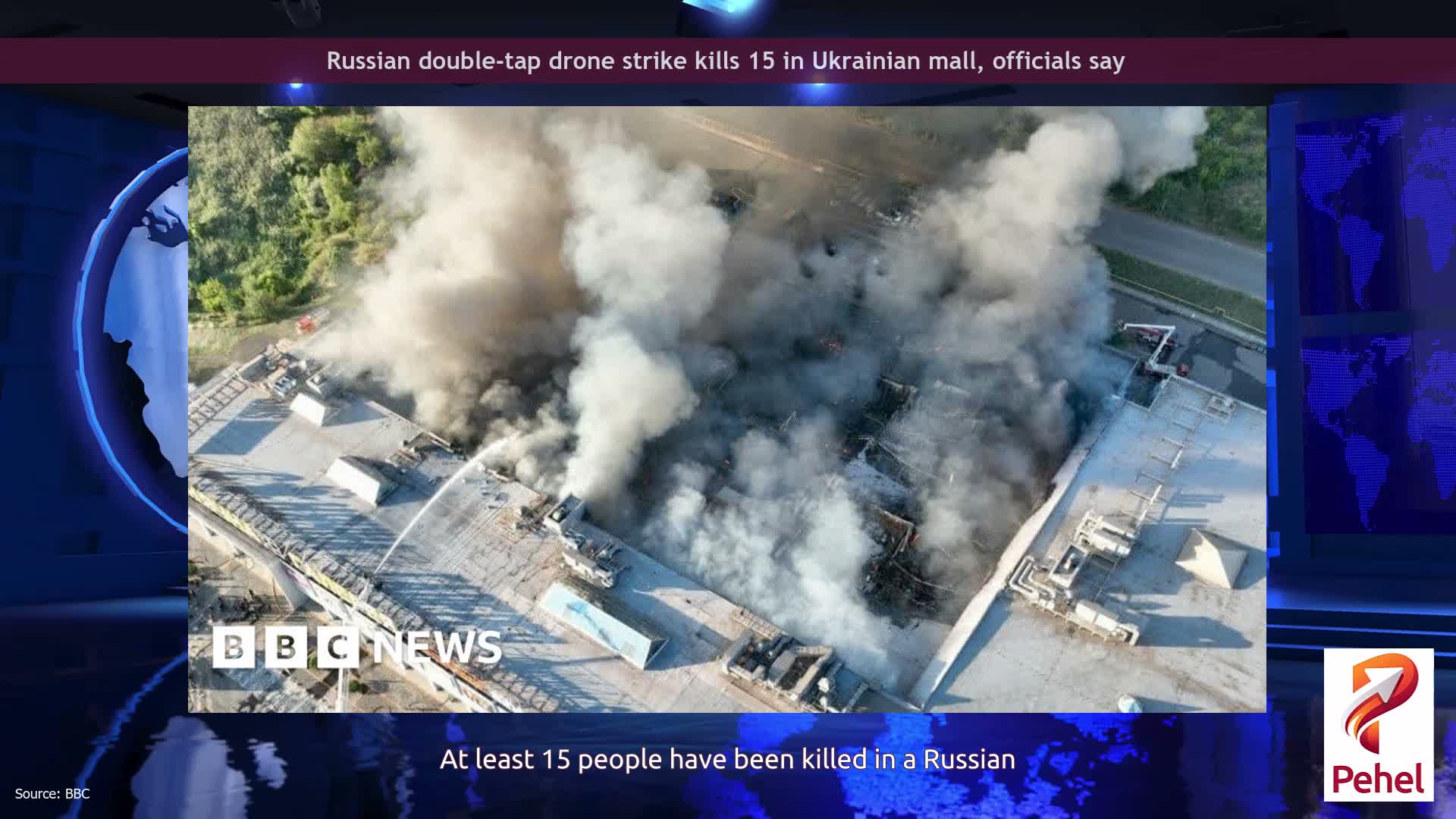
Russia has been bombing Ukrainian cities since the opening salvos of the full-scale war in February 2022, but its campaign of aerial terror against Ukrainian civilians intensified at the beginning of last year, when Moscow became capable of mass-producing the Iranian-designed Shahed drones.
Moscow used to launch these massive attacks mostly overnight, when it was easier to avoid Ukrainian air defenses. But in recent months, it has been attacking continuously, day and night, using its new-generation jet-powered drones. Three times faster than the original Shaheds, these drones are nearly impossibl e for Ukraine to intercept.
Few of the Ukrainian children headed back to school on Tuesday could remember what school was like before the war.
Russia launched its full-scale invasion of Ukraine just as the world began to emerge from the Covid-19 pandemic, which means that children starting eighth grade on Tuesday are the youngest Ukrainians to have experienced normal, uninterrupted schooling. Those headed to the fifth grade or younger have never been to school during peacetime.
Kyiv authorities told parents to prepare for the possibility of attacks disturbing school and urged them to teach their children what to do during an alert.
“In the current circumstances, this is just as much a part of preparing for the new school year as packing a school bag or getting the school uniform ready,” the Kyiv City office said.
Ukraine’s President Volodymyr Zelensky visited a school in Kyiv to mark the start of the new academic year.
Dressed in their Sunday best, the boys in button-down shirts and the girls wearing traditional ribbons in their hair, the children were excited to see the president – even though their meeting took place in a shelter instead of a classroom because of yet another air alarm.
“There is an air raid alert right now. Unfortunately, the Russians are despicable … even among enemies, there is usually an understanding that children are children,” Zelensky told reporters.
As the war stretches into the fifth school year, its horrific toll on communities becomes increasingly tangible. With more than 1.8 million children now living abroad according to UNICEF and many more displaced within Ukraine, the number of empty seats is rising in classrooms across the country.
According to Ukraine’s Ministry of Education, schools across the country welcomed some 243,398 first-graders on Tuesday, far fewer than the 400,000 who started school in 2021, before the war started.
Nadiia Andrianova, whose nine-year-old daughter Aiia started third grade on Tuesday, is among those who decided to relocate. She said she felt the situation has worsened to the point where she couldn’t handle it any more.
She said she noticed a significant deterioration in the security situation in Kyiv in the spring of 2025, but decided to stay put.
Ukraine is becoming a nation of widows and orphans as it confronts a demographic ‘catastrophe’
“But the whole of last academic year was very difficult, especially at night. We usually go to sleep in the underground (the Kyiv Metro), as it’s the safest shelter available in our city. And these nights spent in the underground have simply become very frequent. It takes me several days after such a night to recover and function normally,” she told CNN.
When Russian ballistic missile attacks became more frequent, she gave up. “Every Kyiv resident knows that you simply don’t have time to find cover – you can’t run anywhere in those few minutes. It’s just a matter of luck. So I decided to look for another city, another place to live.”
Aiia started a new school in western Ukraine on Tuesday – a move she was initially very opposed to. “She didn’t want to go because she had a brilliant school there (in Kyiv), with excellent teachers … she’s been playing the piano for two years, she has friends there, and her best friend stayed in Kyiv, so, of course, she didn’t want to go,” Andrianova said, adding that Aiia finally agreed to the move after one particularly harrowing night in Kyiv.
“We were woken up by horrific explosions and sat in the corridor of our flat because we hadn’t had time to run anywhere, just listening to the explosions every 20 seconds. And we agreed that we would leave, that we would stay in Ukraine, but move to a safer city.”