An economic adviser for the campaign of Senator Flavio Bolsonaro has said that the candidate will institute a debt ceiling if he wins Brazil’s presidency in October.
Adolfo Sachsida, a lawyer and economist who joined Bolsonaro’s economic team last week, said in a social media post on Wednesday that the measure would help improve Brazil’s fiscal reputation and rein in spending.
“We will approve a ceiling for public debt. If debt is too high, a spending cap is triggered, putting the fiscal trajectory on a sustainable path,” Sachsida said in a video shared on X.
Senator Bolsonaro, the son of former far-right President Jair Bolsonaro, is the main challenger facing off against leftist President Luiz Inacio Lula da Silva in this year’s presidential election .
A Nexus poll released this week found Lula and Bolsonaro in a near-tie.
Should the two men advance to a run-off, the poll found that Lula would eke out a victory of 46 percent to Bolsonaro’s 45 percent. Other polls have shown Lula with a slight advantage over his rival.
The economy is slated to be a key factor in the race. While inflation has slowed and unemployment has fallen to record lows in recent months, the Bolsonaro campaign has warned that another Lula victory would lead to a recession.
While conservatives have promoted debt ceilings as a means of promoting fiscal constraint, critics have pointed out that they limit government spending during periods of crisis.
Conservatives often favour such caps as a path to cutting government social programmes.
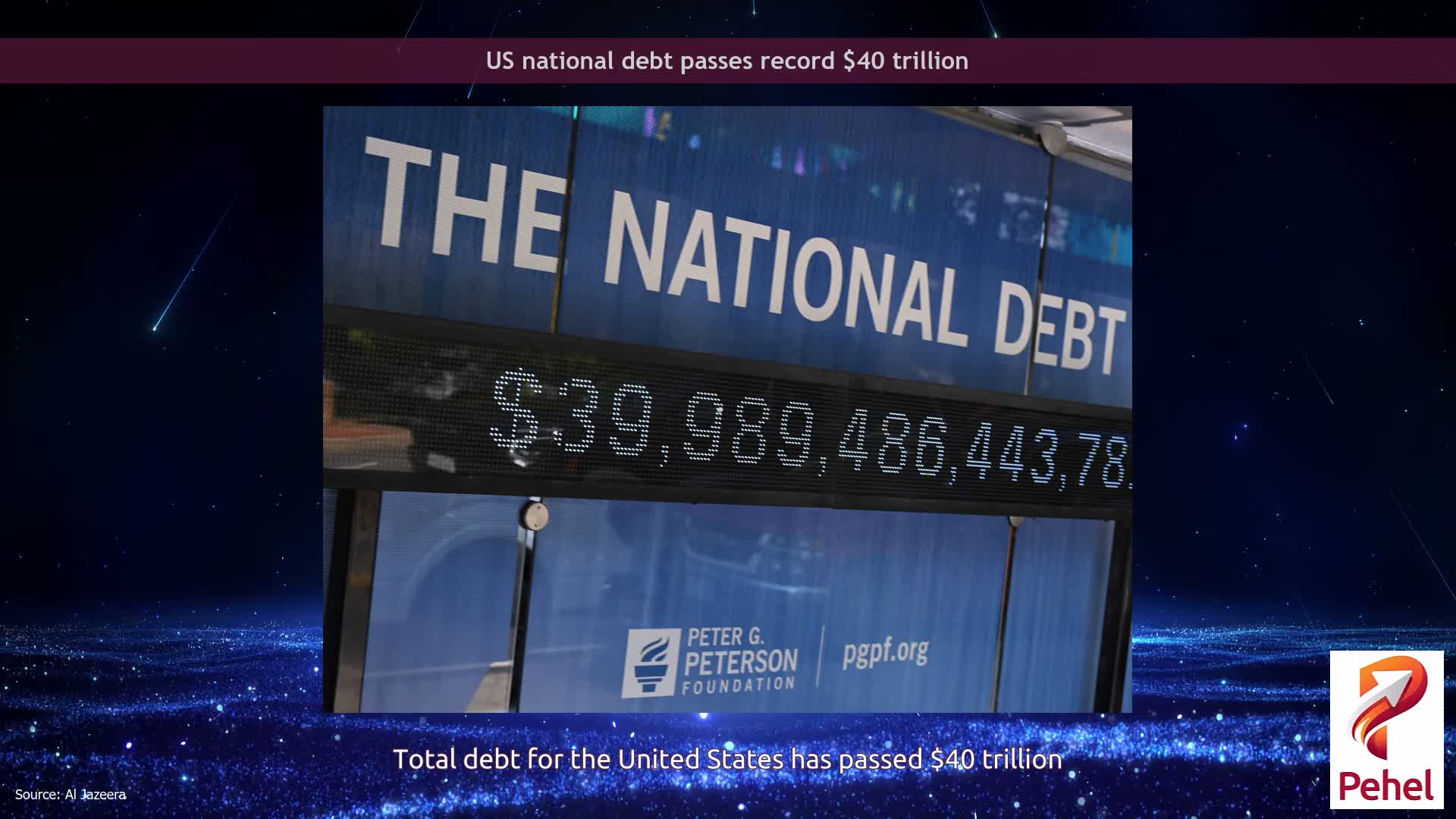
Brazil’s public debt is about 82 percent of its gross domestic product (GDP), an increase of more than 10 percent since Lula returned to office in 2023.
Last week, Bolsonaro added new economic advisers to his campaign team, including Sachsida, who was appointed as the minister of mines and energy in 2022, under his father Jair Bolsonaro.
In a Substack post before joining the Bolsonaro campaign, Sachsida said that a debt ceiling could be “similar to the one adopted in Brazil in the recent past”, with cuts automatically occurring whenever gross public debt rose past 65 percent of GDP.
In 2016, under the presidency of pro-market politician Michel Temer, Brazil’s legislature passed a constitutional amendment to allow for a spending cap.
That measure limited federal spending increases to the inflation rate of the previous year, essentially barring the government from expanding its budget.
That rule was weakened several times before being replaced by a new fiscal framework implemented by Lula in 2023, which combines primary balance targets with increases in real expenditure between 0.6 percent and 2.5 percent per year.
Lula, a former trade union leader, has used his time in office to undertake significant poverty-reduction programmes, including through investment in social welfare programmes.
His campaign for re-election has pointed to successes under his administration, including an uptick in the value of Brazil’s currency and lower unemployment figures.
But with interest rates relatively high, Lula’s economic platform has been a target for criticism from the right wing.
Like many recent elections in Latin America, Brazil’s presidential race is also playing out under the threat of interference from United States President Donald Trump, who has previously used threats and economic leverage to boost his preferred candidates.
Trump is considered to be close to the Bolsonaro campaign. But it is unclear how Trump’s tariffs against Brazil might shape public sentiment in the election season.
Last year, for instance, Trump imposed heavy tariffs on certain Brazilian exports as a means of pressuring the country to end its prosecution of Jair Bolsonaro.
The elder Bolsonaro was accused of leading a coup attempt after his re-election loss to Lula in 2022. He is now serving 27 years in prison.
In December, he endorsed his son Flavio Bolsonaro to represent the right-wing Liberal Party in this year’s presidential race.