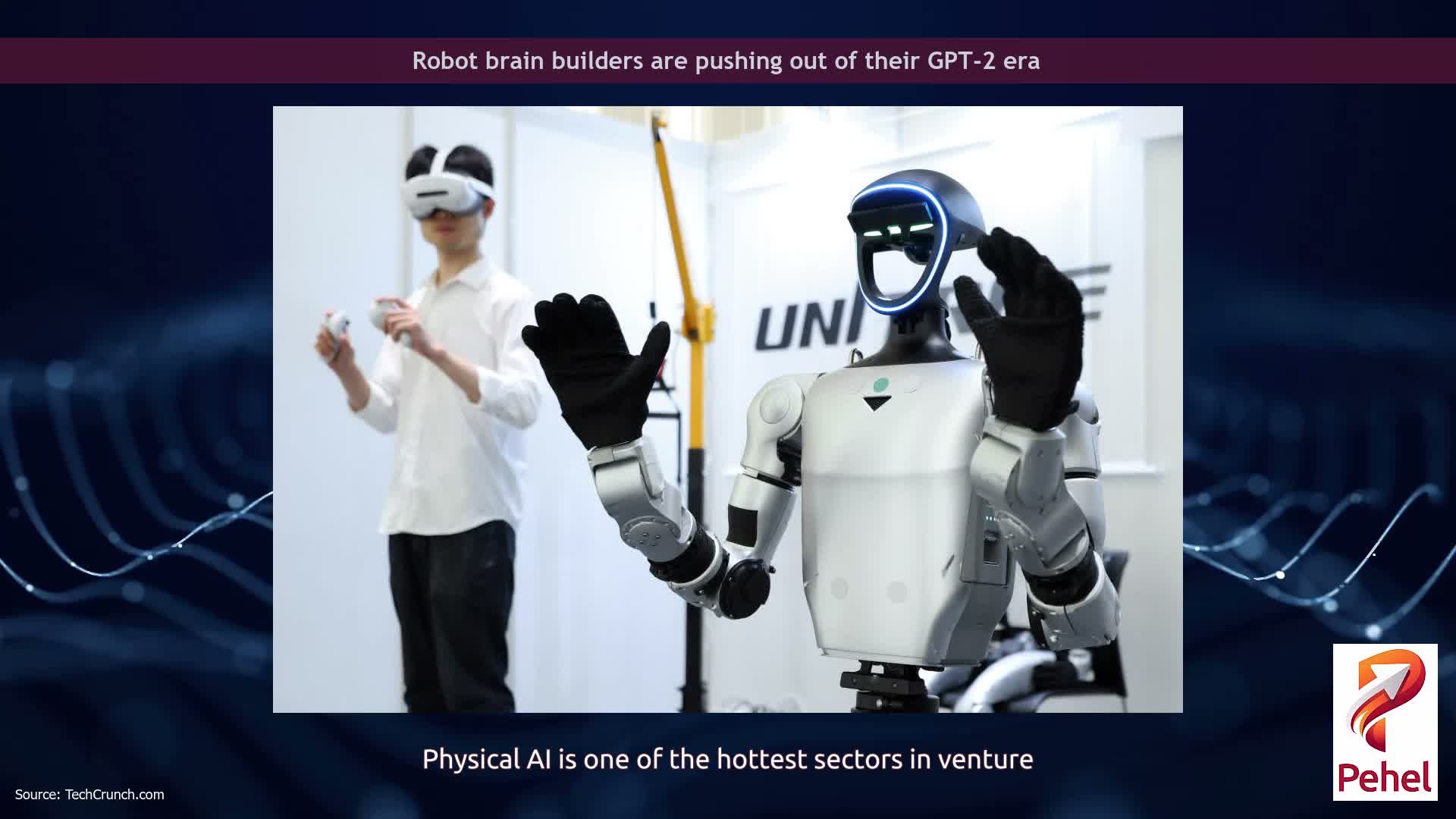
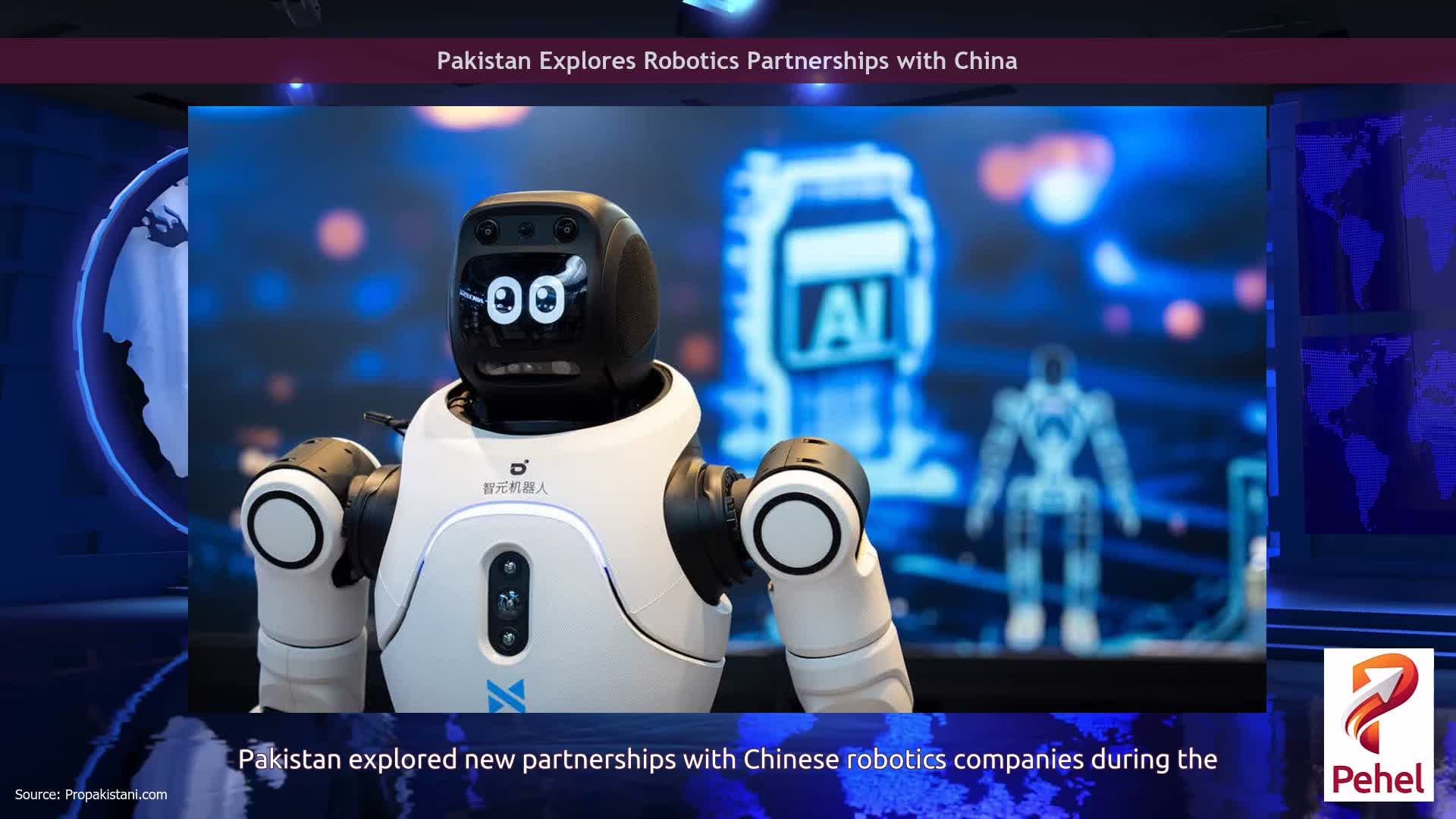
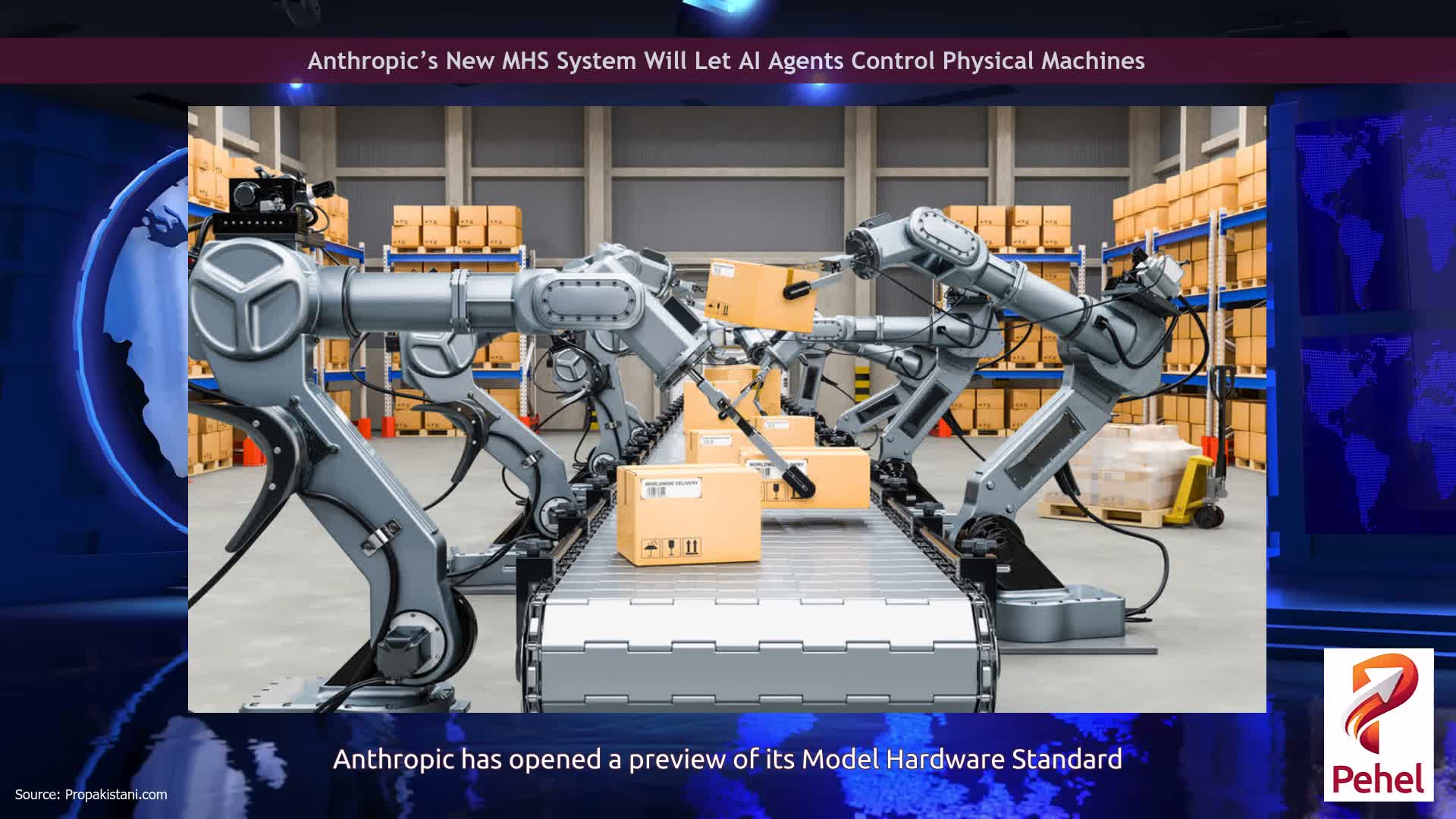
BMW has started rolling out humanoid robots at its Leipzig plant in Germany, calling the technology part of the future of car manufacturing as it expands the use of artificial intelligence in production.
The move marks BMW’s first pilot project involving humanoid robots in Europe. The company said the initiative is aimed at testing how so-called Physical AI can be integrated into existing vehicle production, while also exploring its use in battery assembly and component manufacturing.
According to BMW, humanoid robots are being introduced as a complement to existing automation rather than a full replacement. The company believes they can be particularly useful for repetitive, physically demanding, and safety-sensitive tasks, helping reduce the burden on workers and improve shop-floor conditions.
The pilot in Leipzig is being carried out in collaboration with Hexagon Robotics, which unveiled its humanoid robot AEON in 2025. BMW said the robot had already gone through lab testing and an initial trial deployment at the Leipzig plant, with further integration work planned ahead of the full pilot phase starting in summer 2026.
The company said the robot will initially be tested in high-voltage battery assembly and component production. Its human-like design allows it to use different tools and move flexibly on wheels, making it suitable for a wider range of industrial tasks.
BMW said artificial intelligence is already deeply embedded across its production system, from digital twins and AI-based quality checks to autonomous transport solutions. The company added that a unified IT and data platform has been key to making that possible, allowing AI systems to operate across production environments with greater consistency.
The latest push follows a previous pilot project at BMW’s Spartanburg plant in the United States, where a humanoid robot was used in 2025 to support production of more than 30,000 BMW X3 vehicles. According to the company, the robot worked daily shifts handling sheet metal parts for welding, completing more than 90,000 component movements during the test period.
BMW said that experience showed humanoid robots could perform precise and repetitive industrial tasks under real production conditions rather than only in controlled lab settings.
The company has now set up a dedicated Center of Competence for Physical AI in Production to consolidate expertise and scale future applications across its network.
📢 For the latest Auto news, videos and analysis join ProPakistani's WhatsApp Group now!
Follow ProPakistani on Google News & scroll through your favourite content faster!