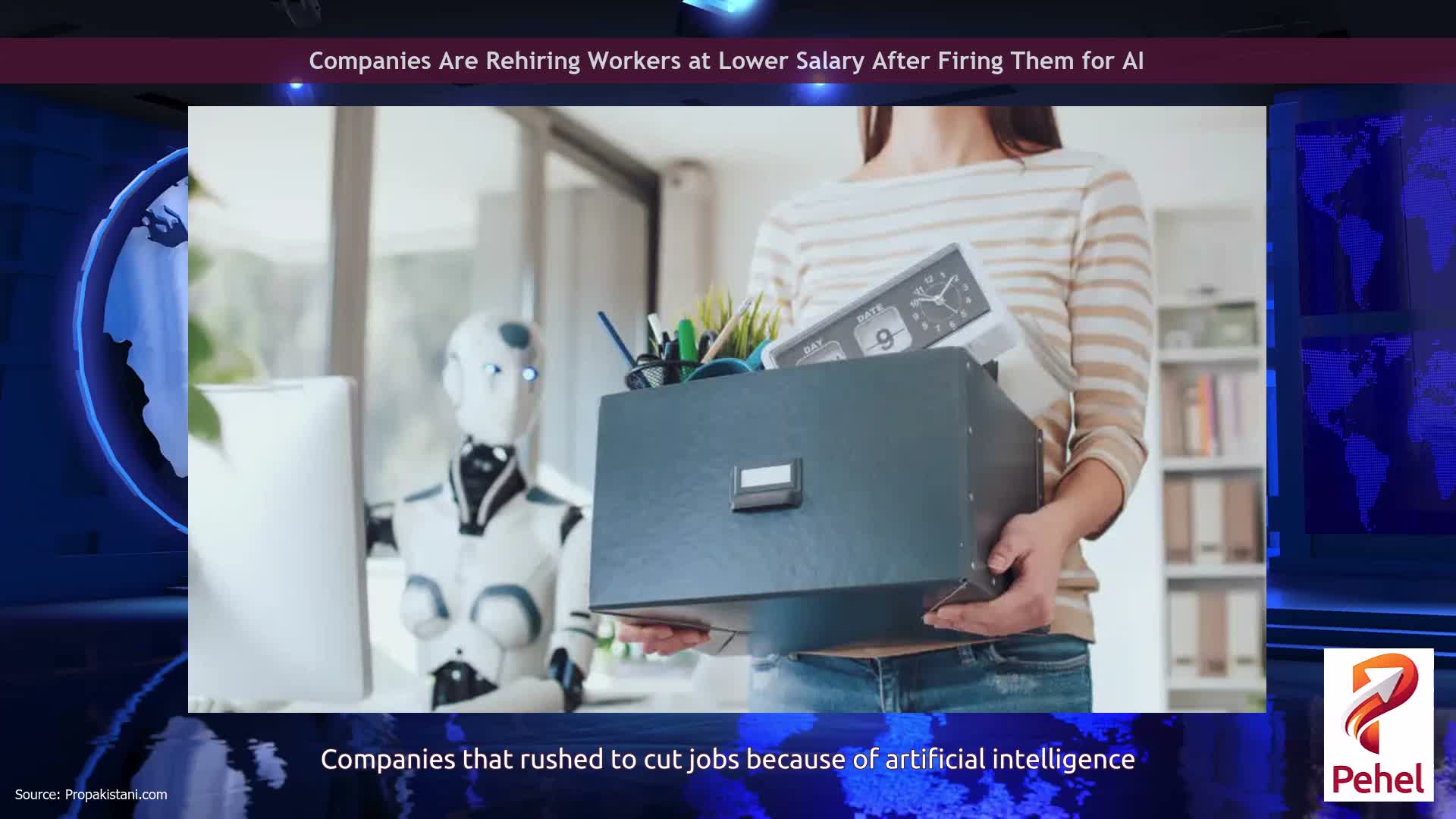
Artificial intelligence is rapidly transforming the global job market, raising concerns that many university degrees are losing their traditional economic value as automation replaces routine white-collar work.
Major corporate restructuring and layoffs at firms such as Block and Oracle have intensified fears that AI systems are increasingly performing tasks once handled by entry-level professionals. Analysts warn that the gap between university education and labor market demand is widening as technology evolves faster than academic curricula.
Broad business degrees face growing pressure as AI tools now perform market analysis, strategy drafting, and administrative tasks more efficiently. Employers increasingly prefer specialists over generalists in this field.
AI systems are now widely used for content creation, campaign planning, reporting, and internal communications. This reduces demand for entry-level roles that rely heavily on routine writing and execution.
AI-generated articles, summaries, and headlines are reshaping newsroom operations. Entry-level journalism positions are shrinking, while investigative and personality-driven reporting remains valuable.
AI can quickly review documents, draft summaries, and conduct legal research, reducing demand for junior legal support roles. However, high-level legal strategy and courtroom advocacy remain secure.
AI now assists in coding, debugging, and application development. While basic programming roles are affected, demand remains strong for specialists in cybersecurity, AI systems, and advanced architecture.
Bookkeeping, reporting, and financial modelling are increasingly automated. Routine roles are shrinking, while advisory, strategy, and investment-focused positions retain value.
AI-generated visuals are reducing demand for basic design work. However, creative direction, branding strategy, and high-level visual decision-making remain in demand.
Routine writing and editing tasks are increasingly automated. However, applied skills in storytelling, UX writing, and digital content strategy still offer strong career potential.
Despite disruption, experts emphasize that no degree is becoming entirely obsolete. The key difference now is specialization and adaptability.
Graduates who combine academic knowledge with uniquely human skills such as leadership, creativity, judgment, and emotional intelligence are more likely to remain competitive.
As AI continues to evolve, adaptability is becoming more important than the choice of degree itself. The future workforce will be defined not just by what people study, but by how effectively they integrate and work alongside AI systems.
📢 For the latest Tech & Telecom news, videos and analysis join ProPakistani's WhatsApp Group now!
Follow ProPakistani on Google News & scroll through your favourite content faster!
Shares