دو دن کی تیاریوں کے بعد، 18 سالہ انشوکا روتھ داس پیر کی صبح ایک مشن کے ساتھ روانہ ہوئیں: ہندوستان کے دارالحکومت نئی دہلی کے مرکز میں واقع جنتر منتر کے احتجاجی مقام تک پہنچنے کے لیے۔
دوستوں کے ایک گروپ کے ساتھ شامل ہوئے، گروگرام کے طالب علم نے کاغذی تھیلے میں چھپائے ہوئے پلے کارڈز اٹھا رکھے تھے جن پر ہندوستان کے تعلیمی نظام میں وسیع اصلاحات اور قومی امتحانات میں مبینہ بدعنوانی کے خاتمے کا مطالبہ کیا گیا تھا۔
نوجوان خواتین ان ہزاروں میں شامل تھیں جنہوں نے کاکروچ جنتا پارٹی، یا کاکروچ پیپلز پارٹی (سی جے پی) کی کال کا جواب دیا، جو نوجوانوں کی قیادت میں ایک نئی تحریک ہے جو وزیر اعظم نریندر مودی کی حکومت کے لیے ایک بڑے چیلنج کے طور پر ابھری ہے، ہندوستان کی پارلیمنٹ تک مارچ کرنا۔
"ہم یہاں ان بچوں کے لیے ہیں جو خودکشی سے مر گئے،" داس نے ان رپورٹوں کا حوالہ دیتے ہوئے کہا کہ اس سال کے شروع میں پیپر لیک اسکینڈل کے بعد سے 12 طلباء نے اپنی جان لے لی تھی۔
ہندوستان کا قومی اہلیت کے ساتھ داخلہ ٹیسٹ ایک لازمی قومی سطح کا اسکریننگ ٹیسٹ ہے، جس کی بنیاد پر ملک بھر کے سینکڑوں سرکاری میڈیکل کالج مختلف انڈرگریجویٹ میڈیکل کورسز کے لیے طلباء کو داخلہ دیتے ہیں۔ تقریباً بیس لاکھ امیدوار سالانہ امتحان دیتے ہیں۔ لیکن اس سال، امتحان لیک کے الزامات کی وجہ سے متاثر ہوا تھا۔
جب حکومت نے اس بات کی تصدیق کی جس کا لاکھوں لوگوں کو خدشہ تھا، تو طلباء – بہت سے مہینوں کی شدید تیاریوں سے تھک چکے تھے – کو دوبارہ ٹیسٹ کروانے پر مجبور کیا گیا۔
اس اسکینڈل نے ملک کو ہلا کر رکھ دیا اور چیف جسٹس کے سامنے آنے کے ساتھ ہی اتفاق ہوا۔ اصل میں سوشل میڈیا پر ایک پیروڈی اکاؤنٹ جس میں جج کے بے روزگار نوجوانوں کو "کاکروچ" سے تشبیہ دینے والے ریمارکس کا مذاق اڑایا گیا تھا، اس تحریک نے ہندوستان بھر میں بہت سے لوگوں کو اپنی لپیٹ میں لے لیا۔ سوشل میڈیا پر اس کے پیروکار چند ہی ہفتوں میں لاکھوں میں بڑھ گئے، اس کی بڑھتی ہوئی مقبولیت کی رفتار سے اس کے اپنے بانی بھی دنگ رہ گئے۔
ریاست مہاراشٹر سے بوسٹن یونیورسٹی سے گریجویٹ 30 سالہ لیڈر ابھیجیت ڈپکے، CPJ کو مزید فعال طریقے سے چلانے کے لیے گزشتہ ماہ ہندوستان واپس آئے۔ دھرنوں کے ذریعے حامیوں کو اکٹھا کرنے اور مزید سیاسی کارروائی کی منصوبہ بندی کرنے کے ساتھ ساتھ، ڈپکے اور ان کے ساتھی وزیر تعلیم دھرمیندر پردھان کے استعفیٰ کے طلبا کے مطالبے میں شامل ہوئے۔
"ہم اس تحریک کا حصہ بننا چاہتے تھے۔ ہم احتساب چاہتے ہیں،" داس نے کہا۔ "ایسے نظام موجود ہیں جو ہمیں کالج میں اچھی سیٹ یا اچھے نمبر نہیں دے سکتے۔ میں نے اپنی والدہ سے کہا کہ احتجاج کرنا میرا حق ہے۔ ہمیں یہاں ہونا چاہیے، ورنہ یہ موقع دوبارہ نہیں ملے گا۔"
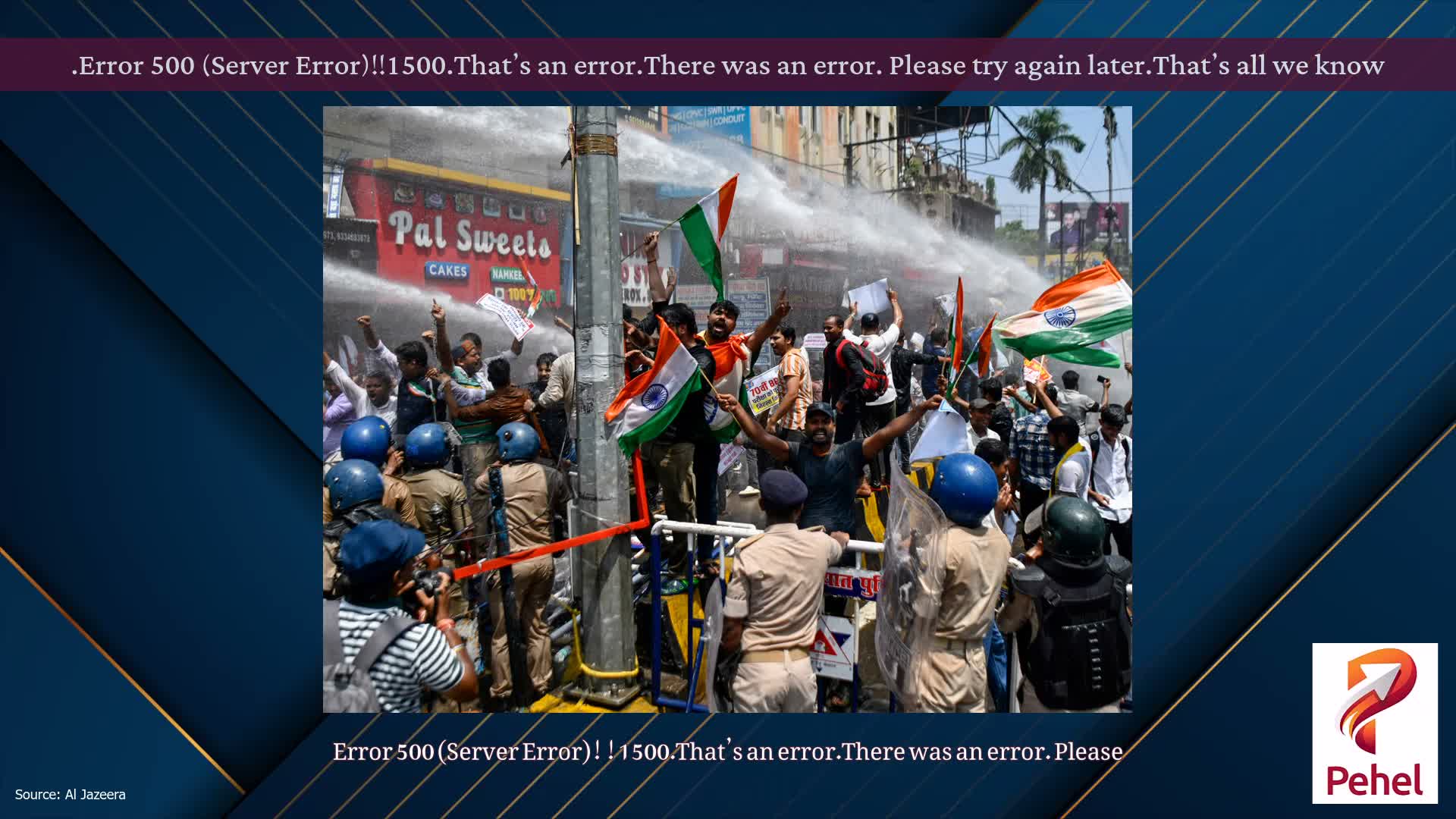
جنتر منتر پر مظاہرین کے ساتھ، جن میں سے بہت سے لوگ رات بھر جمع ہوئے تھے، جن سے پارلیمنٹ کی طرف مارچ کرنے کی توقع تھی، حکام نے وسطی نئی دہلی میں وسیع حفاظتی اقدامات نافذ کر دیے۔ میٹرو سٹیشن بند کر دیے گئے، سڑکیں بند کر دی گئیں اور انٹرنیٹ تک رسائی پر پابندی لگا دی گئی۔
دہلی کے ڈپٹی کمشنر آف پولیس سچن شرما نے مظاہرین سے گھر جانے کی اپیل کرتے ہوئے کہا، ’’مظاہرے کی جگہ پہلے ہی ختم ہو چکی ہے، اور یہ ایک ناخوشگوار صورتحال کا باعث بن سکتا ہے۔‘‘
لیکن جیسے ہی مارچ جاری تھا، پولیس نے CPJ حامیوں کو منتشر کرنے کے لیے لاٹھی چارج اور آنسو گیس کا استعمال کرتے ہوئے دیکھا۔ کئی مظاہرین کو پولیس وینوں میں گھسیٹ لیا گیا، جن میں سے کچھ نے اپنے خون آلود چہرے دکھانے کے لیے کھڑکیوں سے سر باہر نکال لیے۔
"احتجاج پرامن تھا۔ لیکن اچانک لاٹھی چارج کے بعد لوگ گھبراہٹ میں بھاگنے لگے،" بہار سے تعلق رکھنے والے 26 سالہ مینجمنٹ گریجویٹ محمد انیس نے لاٹھی کے لیے ہندی لفظ استعمال کرتے ہوئے کہا۔
انیس نے کہا، "افراتفری کے دوران بہت سے مظاہرین کو مارا پیٹا گیا، اور میرے بازو اور ہاتھ کو زخمی کر دیا گیا۔ چوٹ، بھوک اور تھکن کے باوجود، میرا یقین ہے کہ ناانصافی کے سامنے خاموش رہنا ہی اسے جاری رکھنے کی اجازت دیتا ہے،" انیس نے کہا۔ "آنسو گیس کی کڑوی بو نے مجھے ایک لمحے کے لیے سانس روک دیا، لیکن اب ہم ان سب کو برداشت کر رہے ہیں۔"
ہفتہ کو درجنوں پولیس افسران نے تجربہ کار کارکن سونم وانگچک کو جنتر منتر سے زبردستی ہٹایا اور اسے ہسپتال لے گئے، 59 سالہ بوڑھے کی احتجاجی تحریک کے ساتھ اظہار یکجہتی کے لیے بھوک ہڑتال شروع کرنے کے 20 دن بعد۔ اس اقدام سے مظاہرین کو غصہ آیا، وانگچک کی اہلیہ نے اسے "غیر قانونی حراست" قرار دیا۔
تجزیہ کاروں نے حکومت کو اس کے ردعمل پر خبردار کرتے ہوئے کہا ہے کہ مظاہرین کے حقیقی مطالبات ہیں جو ملک بھر میں بڑے پیمانے پر گونجتے ہیں۔
"دنیا اتنی تیزی سے بدل رہی ہے۔ سافٹ ویئر کے شعبے میں ملازمتیں جن کا سب سے زیادہ انعام ہندوستانیوں کو دیا جاتا ہے، ختم ہو رہی ہے۔ اور ہندوستان میں بے روزگاری اور سماجی ناہمواریوں کے مسائل شدت کے ساتھ دوبارہ سر اٹھا رہے ہیں،" صبا نقوی نے کہا، ایک تجربہ کار صحافی جنہوں نے دہائیوں سے ہندوستانی سیاست کا احاطہ کیا ہے۔
"یہ اس قسم کے مناظر کی عکاسی کرتا ہے جو ہم نے فلم ہوم باؤنڈ [پچھلے سال آسکر کے لیے ہندوستان کی باضابطہ انٹری] میں دیکھی تھی جہاں دو نوجوانوں کو بے روزگاری اور سکڑتے مواقع کے درمیان زندگی گزارنے کے لیے جدوجہد کرتے ہوئے دکھایا گیا ہے۔"
نقوی نے کہا کہ یہ فلم آج کے ہندوستان میں زندگی کی آئینہ دار ہے، جہاں بقا ایک روزمرہ کی جدوجہد بن چکی ہے، جس میں ذات پات کی بنیاد پر امتیازی سلوک، مہنگائی اور وسیع پیمانے پر غربت جیسے چیلنجوں کا حوالہ دیا گیا ہے جو حالیہ دہائیوں میں ہندوستان کی مضبوط اقتصادی ترقی کے باوجود برقرار ہے۔
نقوی نے کہا، ’’اور یہ حقیقت ان علاقوں میں زیادہ واضح ہوتی ہے جہاں بی جے پی [مودی کی بھارتیہ جنتا پارٹی] بڑی تعداد میں ووٹ حاصل کرتی ہے۔ ہوسکتا ہے کہ پارٹی اب تک لوگوں کو پریشان کرنے والی بڑھتی ہوئی سماجی اور معاشی پریشانی کے سیاسی نتائج سے بچ گئی ہو، لیکن ایسا لگتا ہے کہ اب وہ بالآخر ان کا سامنا کر رہی ہے۔
پیر کو، سی پی جے کے ترجمان سورو داس نے سوشل میڈیا پر ایک پوسٹ میں کہا کہ "حکومت بات چیت کے لیے پہنچ گئی ہے"، جس نے دو کارکنوں کو وزیر صحت جے پی نڈا سے ملنے کی دعوت دی۔ "ہمارے مطالبات واضح ہیں۔ نوجوان بڑی تعداد میں جمع ہوئے ہیں،" ترجمان نے کہا۔
ایک آزاد سیاسی محقق اور کالم نگار عاصم علی نے کہا کہ "بات کرنے کی خواہش ایک اہم چڑھائی کی نشاندہی کرتی ہے"۔
تاہم، انہوں نے خبردار کیا کہ "فوری حل" کا امکان نہیں تھا۔
"ہم کچھ توسیع شدہ بات چیت دیکھ سکتے ہیں۔ اگر حکومت اسے کھینچتی ہے، اور قیادت الگ ہوجاتی ہے، تو مظاہرے ختم ہوسکتے ہیں، کیونکہ وہ اچھی طرح سے منظم نہیں ہیں،" علی نے کہا، تحریک کی بے قائدانہ نوعیت بنگلہ دیش اور نیپال میں اسی طرح کے نوجوانوں کے احتجاج کو یاد کرتی ہے۔
"ایسا لگتا ہے کہ احتجاج کی بنیادوں میں روزگار بھی شامل ہو گیا ہے۔ اس سے بی جے پی کے بازوؤں میں کمی کا پتہ چلتا ہے،" عاصم نے کہا۔ "حکومت تعلیم اور روزگار سے متعلق وسیع تر خدشات کو دور کیے بغیر انتخابی اکثریت کے پیچھے نہیں چھپ سکتی۔"
اتر پردیش کے غازی پور گاؤں سے تعلق رکھنے والی 20 سالہ احتجاجی انجانی کمانی کے لیے یہ تحریک مودی کی زیر قیادت ہندوستان میں احتساب کے لیے ایک "نادر موقع" کی نمائندگی کرتی ہے۔
انہوں نے کہا کہ یا تو وزیر تعلیم استعفیٰ دے دیں گے یا ہم یہ جگہ نہیں چھوڑیں گے۔ "یہ ہمارے لئے اب یا کبھی نہیں ہے۔"