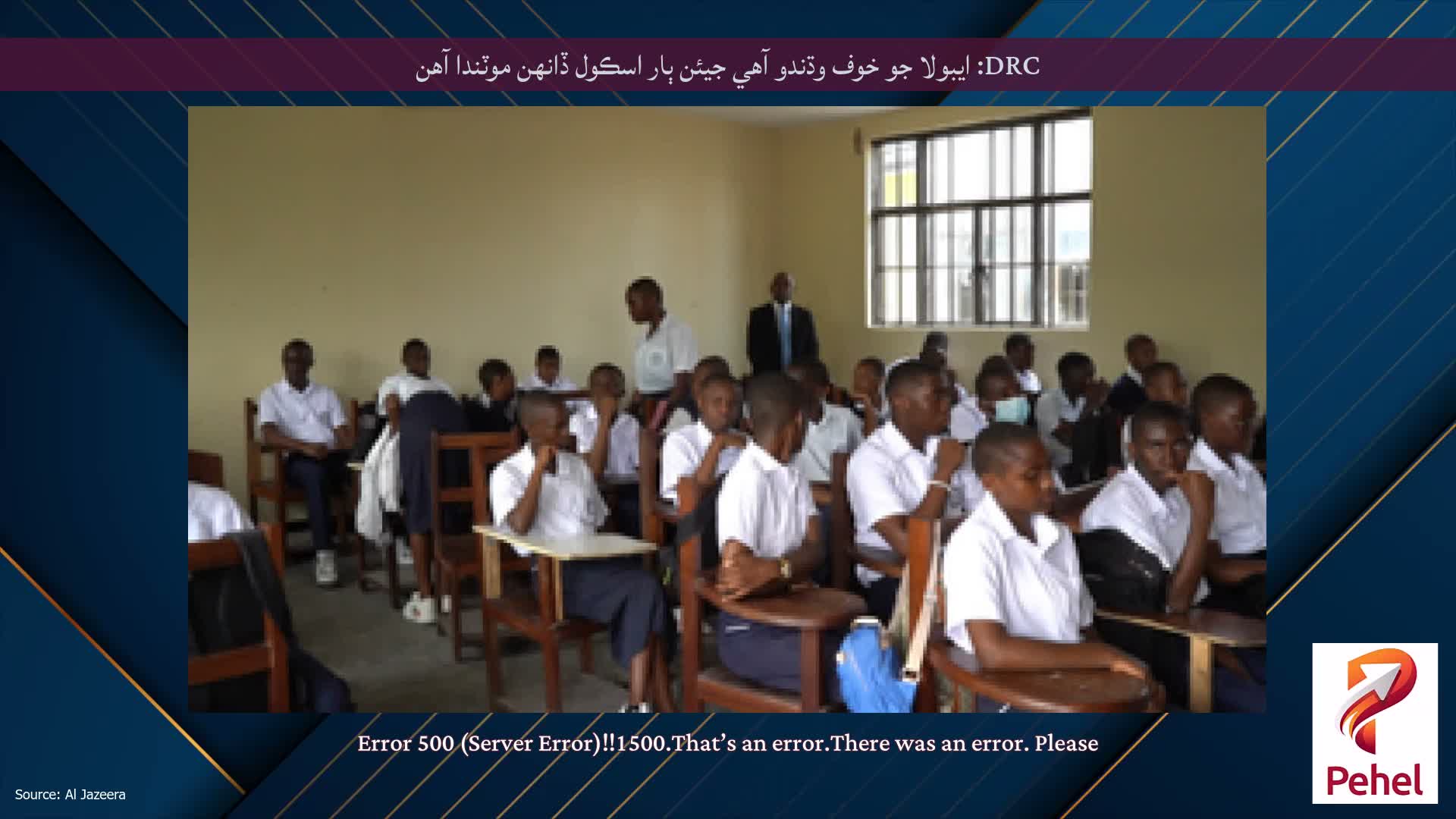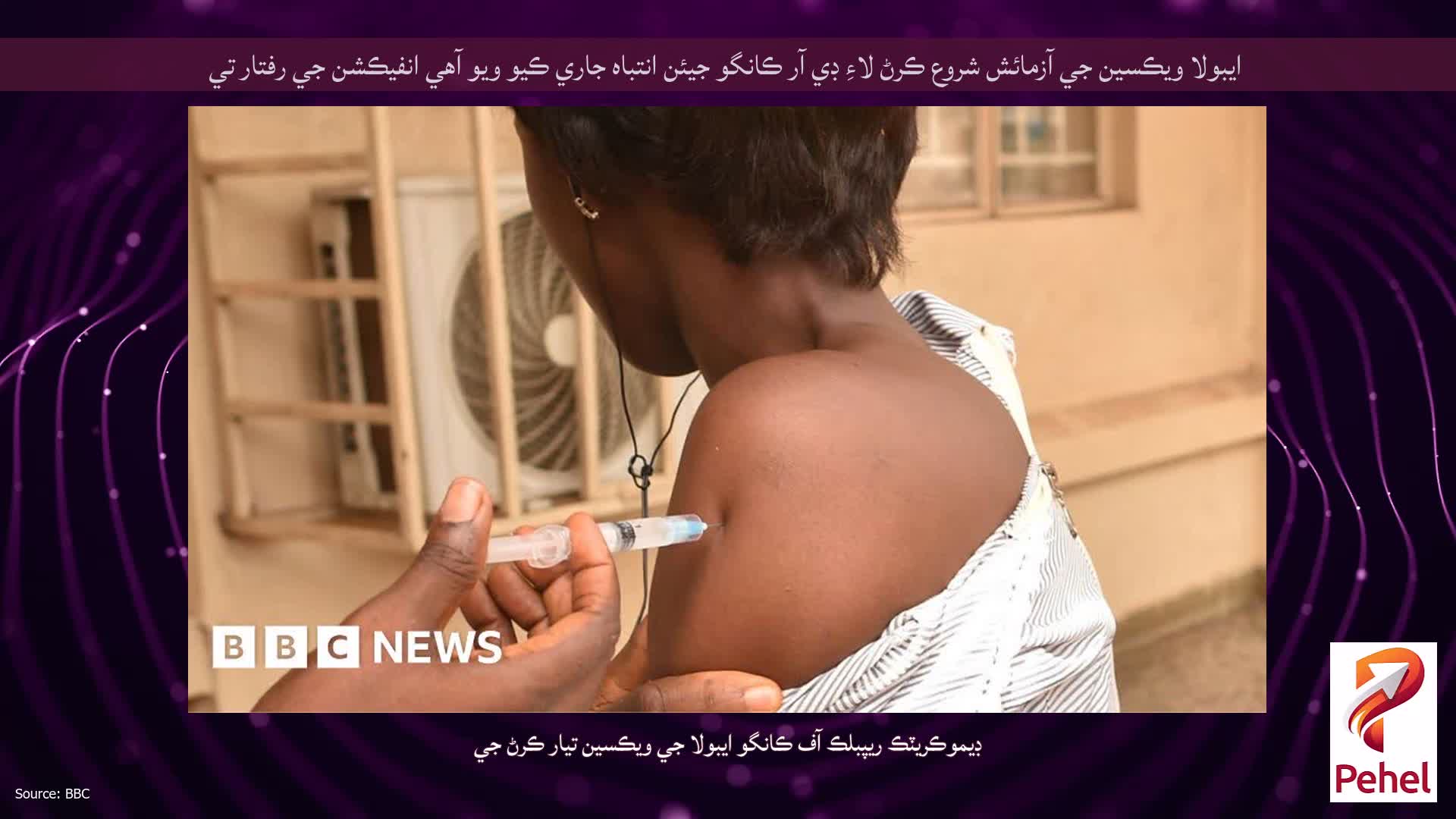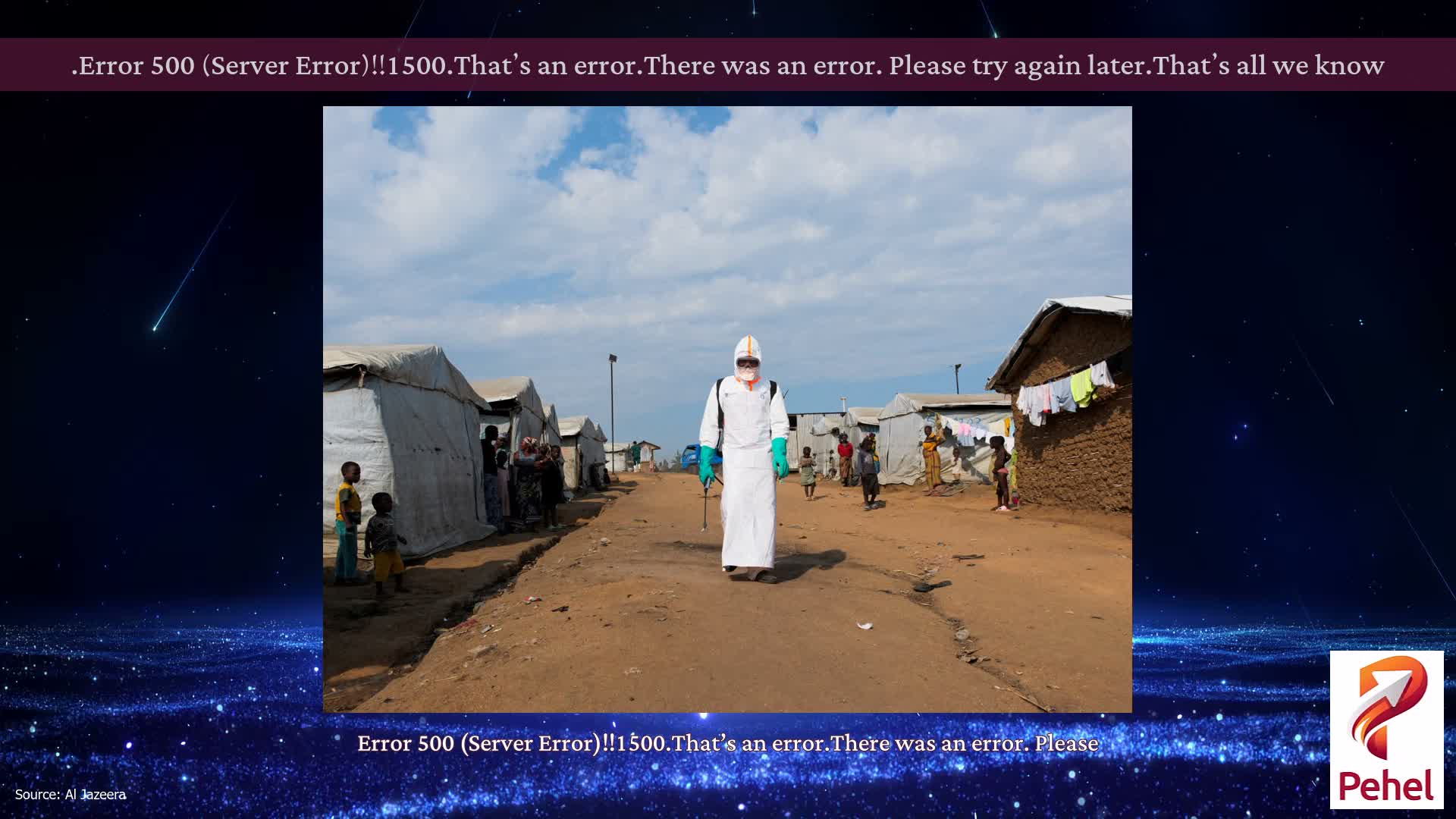
ڊيموڪريٽڪ ريپبلڪ آف ڪانگو (DRC) جو چوڻ آهي ته ملڪ ۾ ايبولا جا تصديق ٿيل ڪيس 1307 تائين پهچي ويا آهن ۽ 377 موت شامل آهن.
In an update issued late on Monday, the country said the confirmed cases have been recorded in three provinces – Ituri, North Kivu and South Kivu.
The announcement comes as the AFP news agency reported that a case has been detected in a fourth province. A source at the DRC’s National Institute of Biomedical Research (INRB) quoted by AFP said the viral haemorrhagic fever has spread to Haut-Uele, which borders South Sudan and the Central African Republic.
The source said the case there was detected after an infected person travelled from Bunia, Ituri’s capital, to Haut-Uele.
That person has since died, another health source told AFP.
Authorities are now trying to trace the chain of transmission and identify contacts.
Haut-Uele تائين ان جي پکيڙ جو مطلب آهي DRC جو پورو اتر اوڀر، اٽڪل 15 ملين ماڻهن جو گهر، هاڻي متاثر ٿيو آهي.
The conflict-hit province of Ituri is the epicentre of the country’s latest Ebola outbreak, its 17th, which started in May.
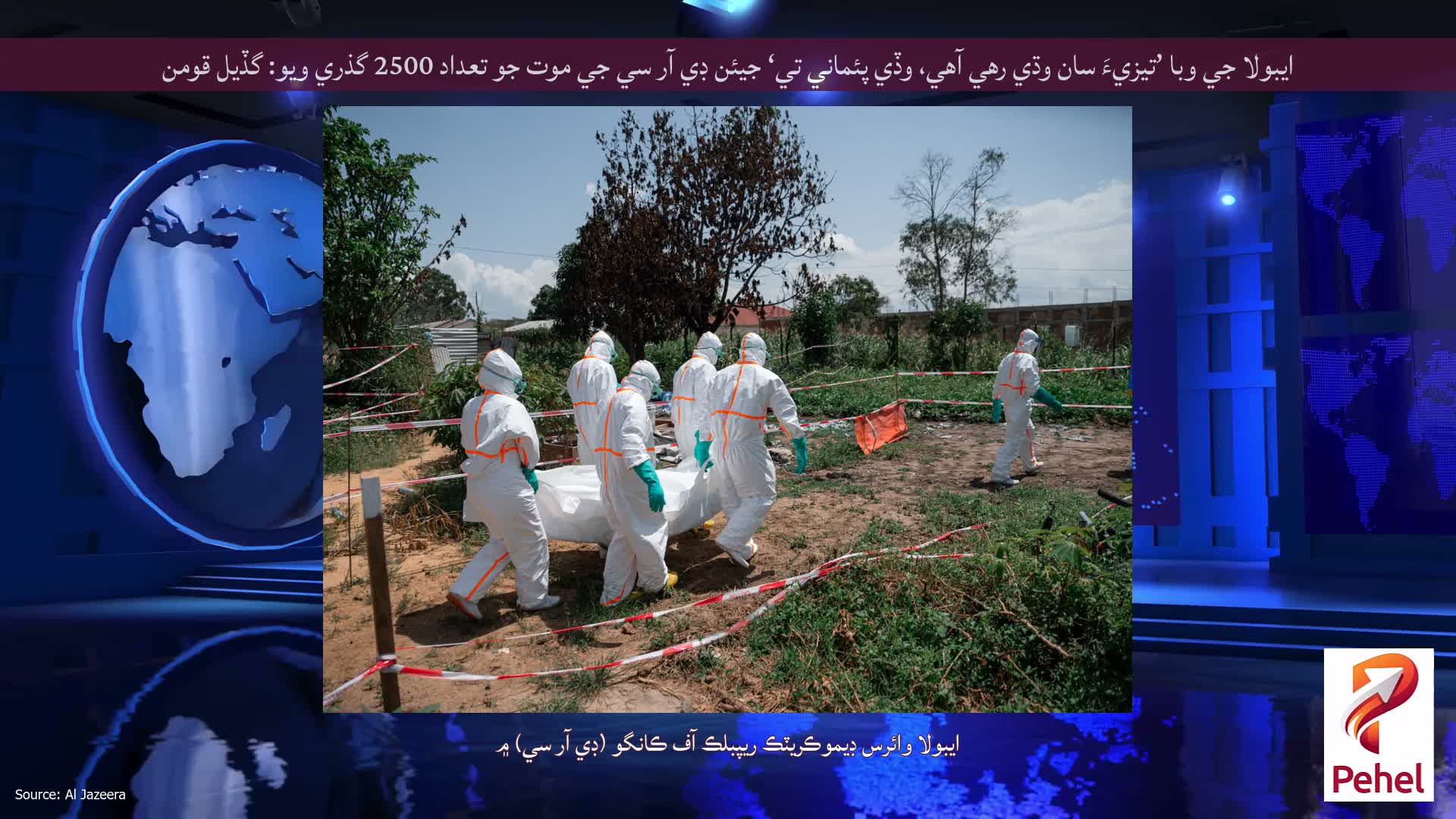
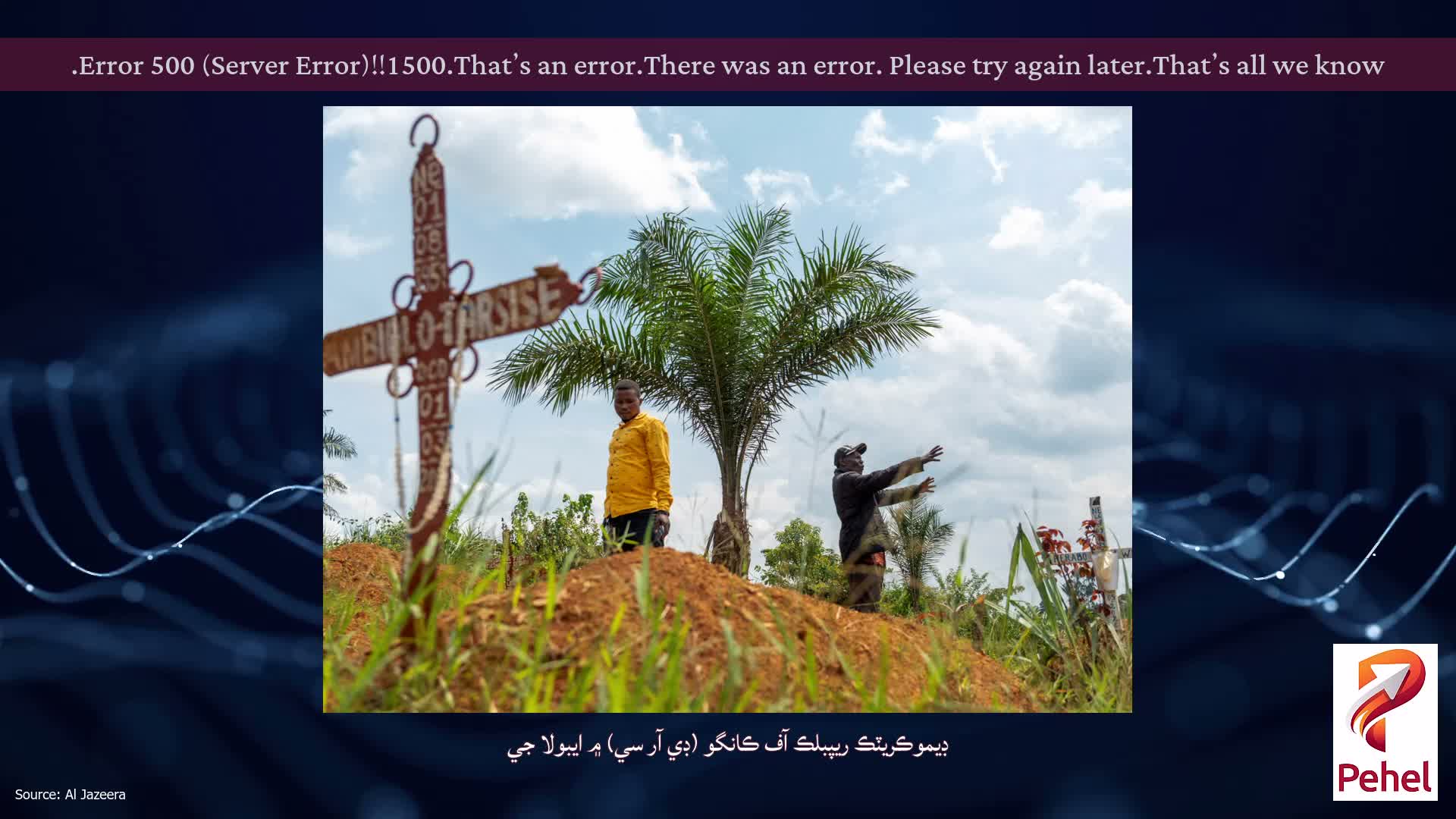
In many cases, the virus has spread at funerals, where the highly infectious bodies of Ebola victims are handled.
For weeks, aid workers, facing mistrust among local communities, have struggled to plan safe burials in affected areas to prevent contact with the dead.
In the DRC, funerals often last several days, during which family members and friends touch the body of the deceased.
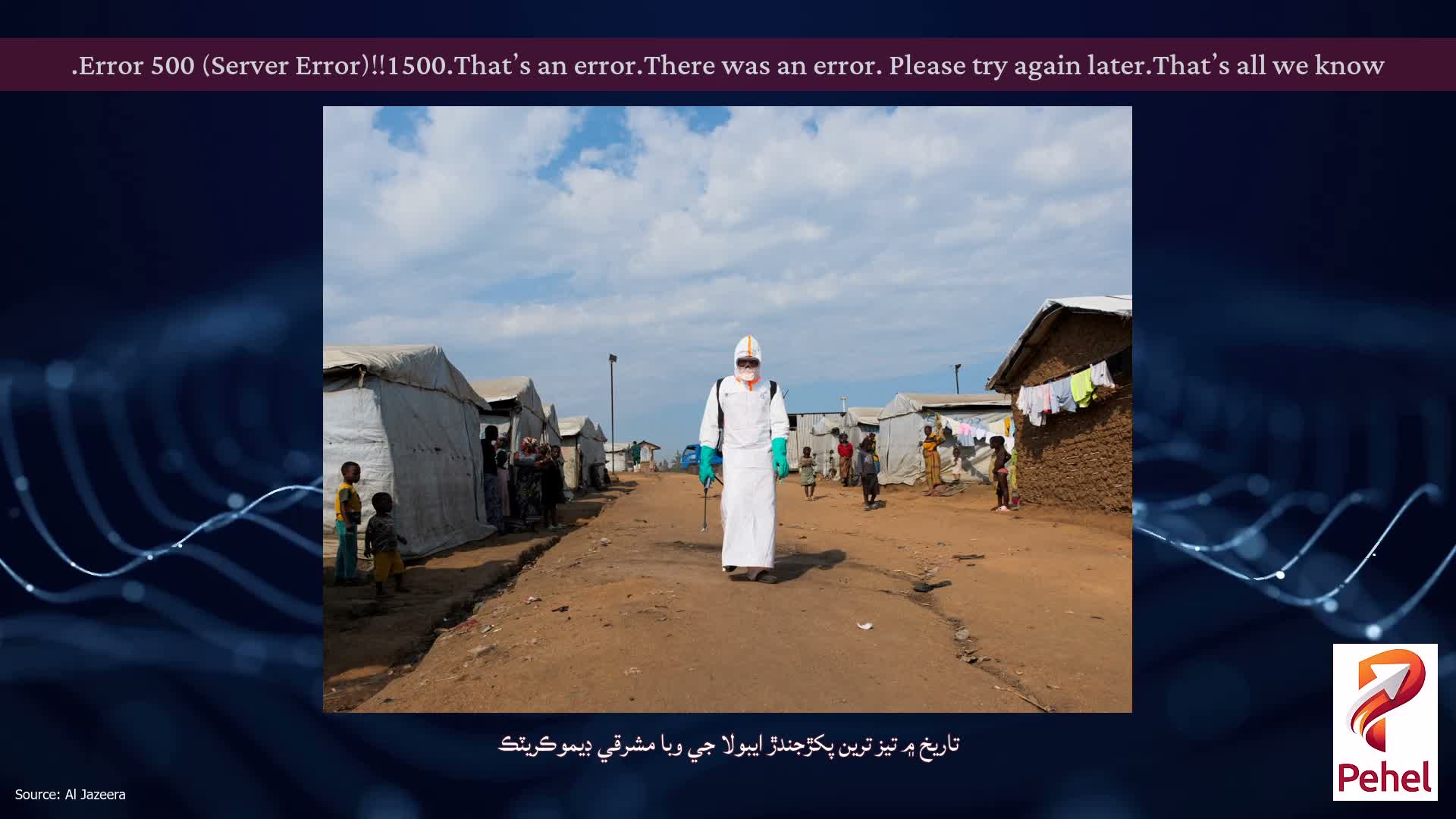
Reporting from a treatment centre in Rwampara in Ituri province, Al Jazeera’s Catherine Wambua-Soi said health workers often lack sufficient equipment.
“These centres have been attacked several times. Last month, tents here were set on fire by an angry mob. Some Congolese still distrust those trying to help,” she said.
“They need more of everything: protective gear, medicines, rapid test kits … and body bags.”
On Saturday, the government issued a ban on public gatherings in four provinces, including the country’s capital, Kinshasa, as it continues to battle the spread of the outbreak.
That order was issued before a planned protest in Kinshasa on July 8 against constitutional reform, and opposition figures have called the ban “politically motivated.”