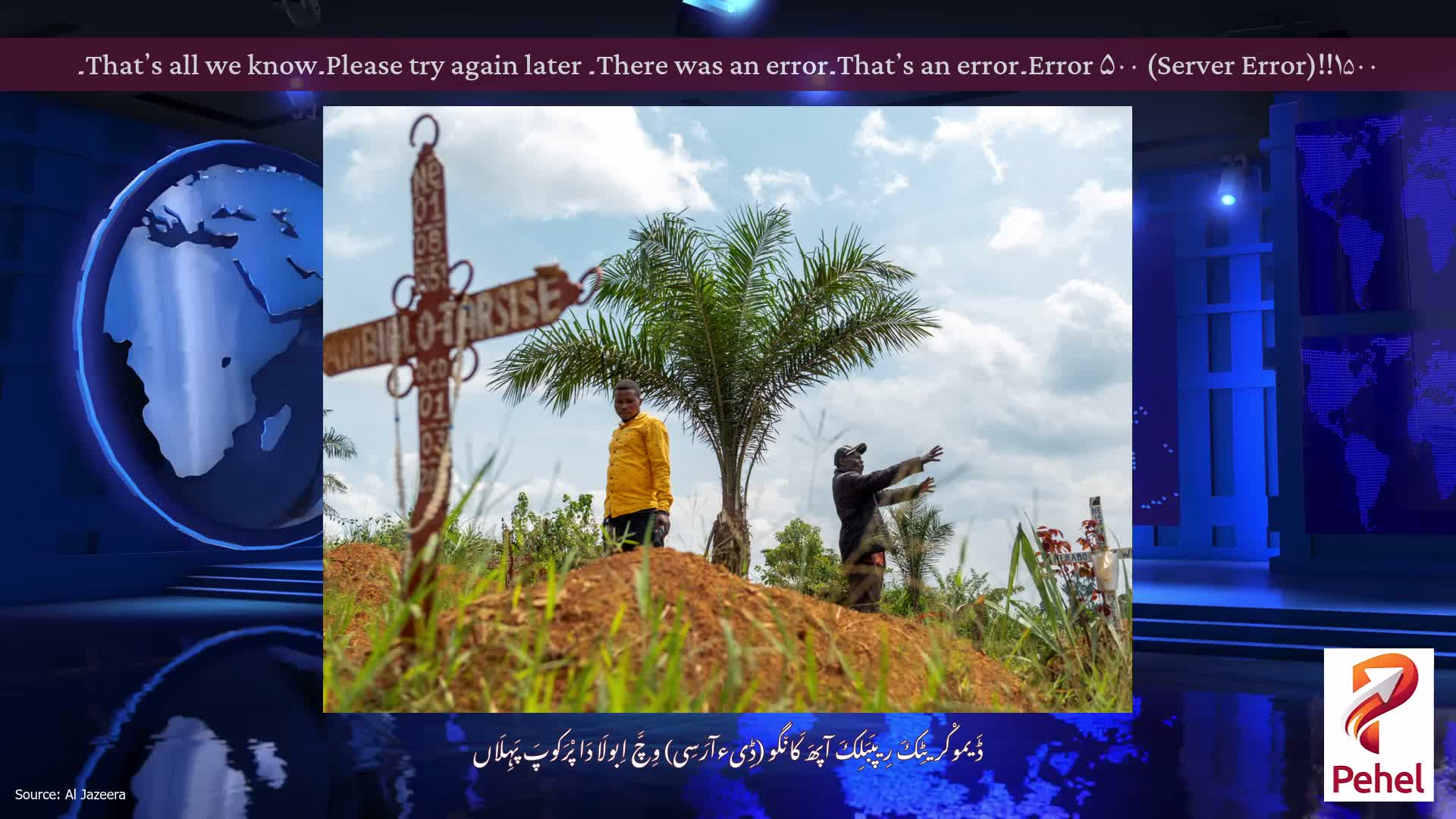
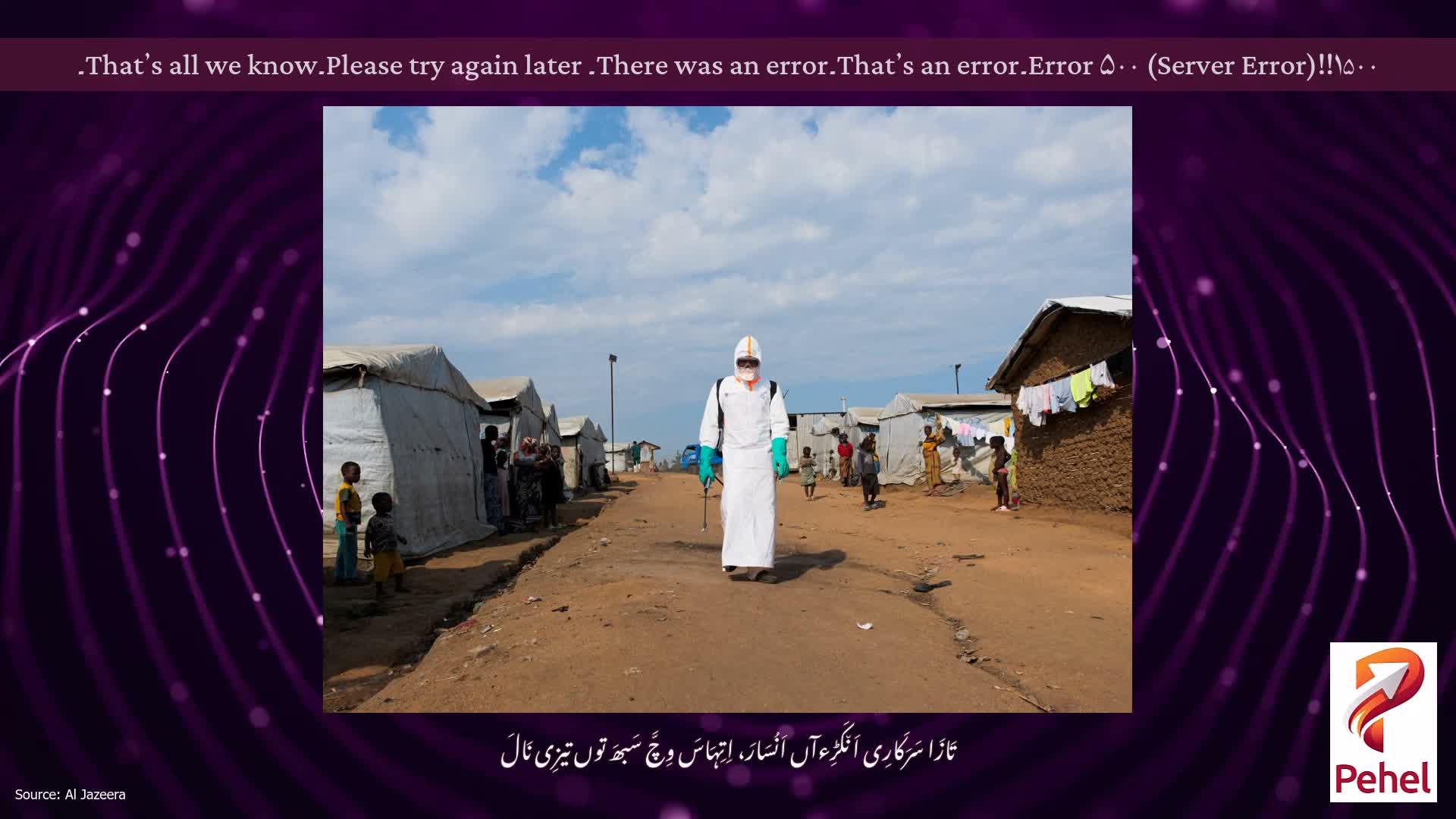
The Democratic Republic of the Congo (DRC) says confirmed Ebola cases in the country have reached ۱۳۰۷ and include ۳۷۷ deaths۔
سومَوَارَ دیرَ رَاتَ جَارِی کِیتے گَئے اِکَّ اَپَڈیٹَ وِچَّ، دیشَ نے کِہَا کِ پُشَٹِی کِیتے کیسَ تِنَّ سُوبِءآں - اِٹُورِی، اُتَّرِی کِوُو اَتے دَکھَّݨِی کِوُو وِچَّ دَرَجَ کِیتے گَئے ہَنَ۔
The announcement comes as the AFP news agency reported that a case has been detected in a fourth province۔ ڈِیءآرَسِی دے نَیشَنَلَ اِن٘سَٹِیچِؤُٹَ آفَ بَائِومَیڈِیکَلَ رِسَرَچَ (آئِیءاَینَءآرَبِی) دے اِکَّ سَروتَ نے اےءاَیپھَپِی دے ہَوَالے نَالَ کِہَا کِ وَائِرَلَ ہَیمورَیجِکَ بُخَارَ ہَاؤُٹَ-یُولے وِچَّ پھَیلَ گِءآ ہَے، جو دَکھَّݨِی سُڈَانَ اَتے مَدھَّ اَفَرِیکِی گَݨَرَاجَ دِی سَرَہَدَّ نَالَ لَگَّدَا ہَے۔
The source said the case there was detected after an infected person travelled from Bunia، Ituri’s capital، to Haut-Uele۔
That person has since died، another health source told AFP۔
Authorities are now trying to trace the chain of transmission and identify contacts۔
Its spread to Haut-Uele means the DRC’s entire northeast، home to about ۱۵ million people، is now affected۔
The conflict-hit province of Ituri is the epicentre of the country’s latest Ebola outbreak، its ۱۷th، which started in May۔
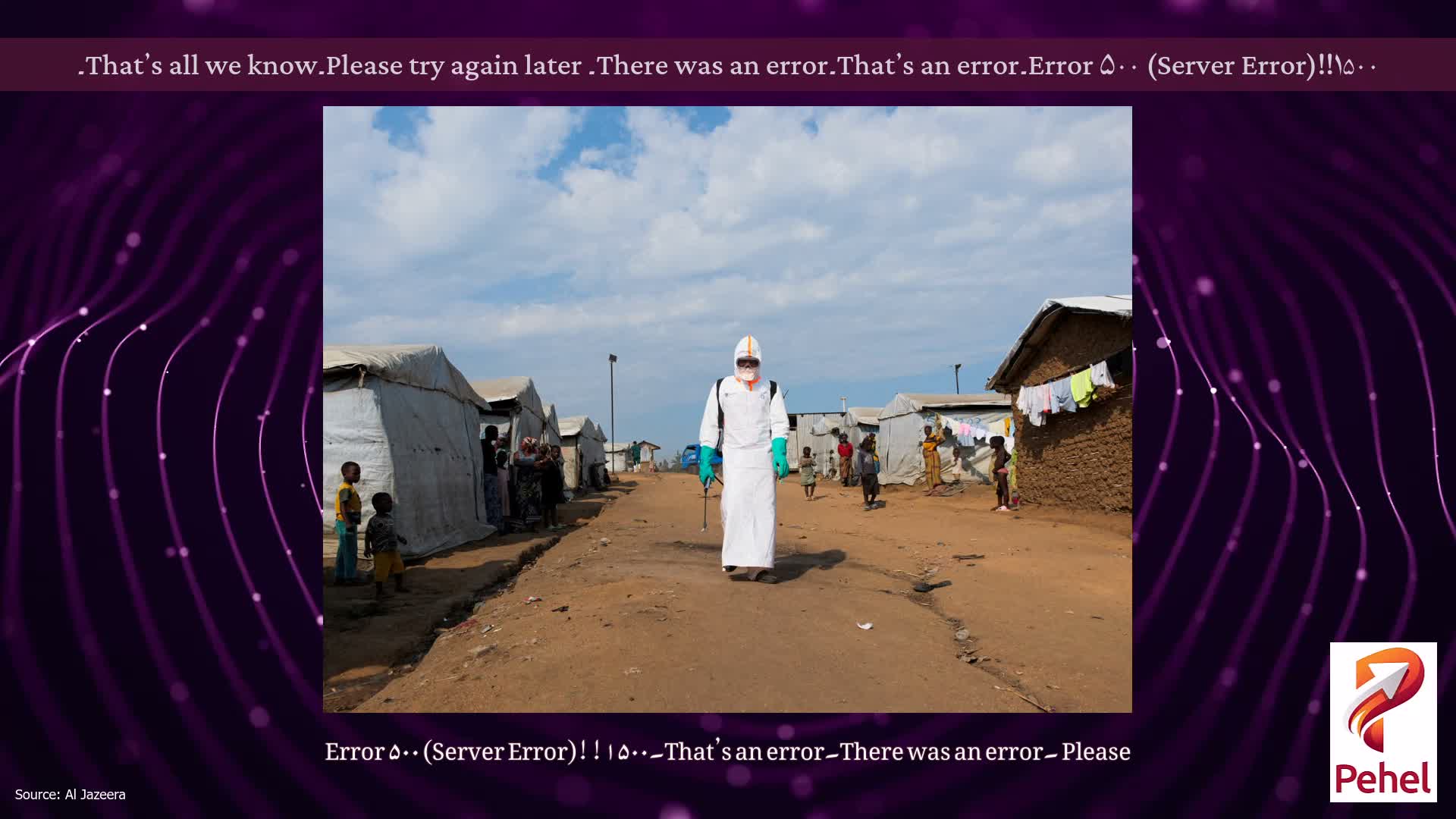
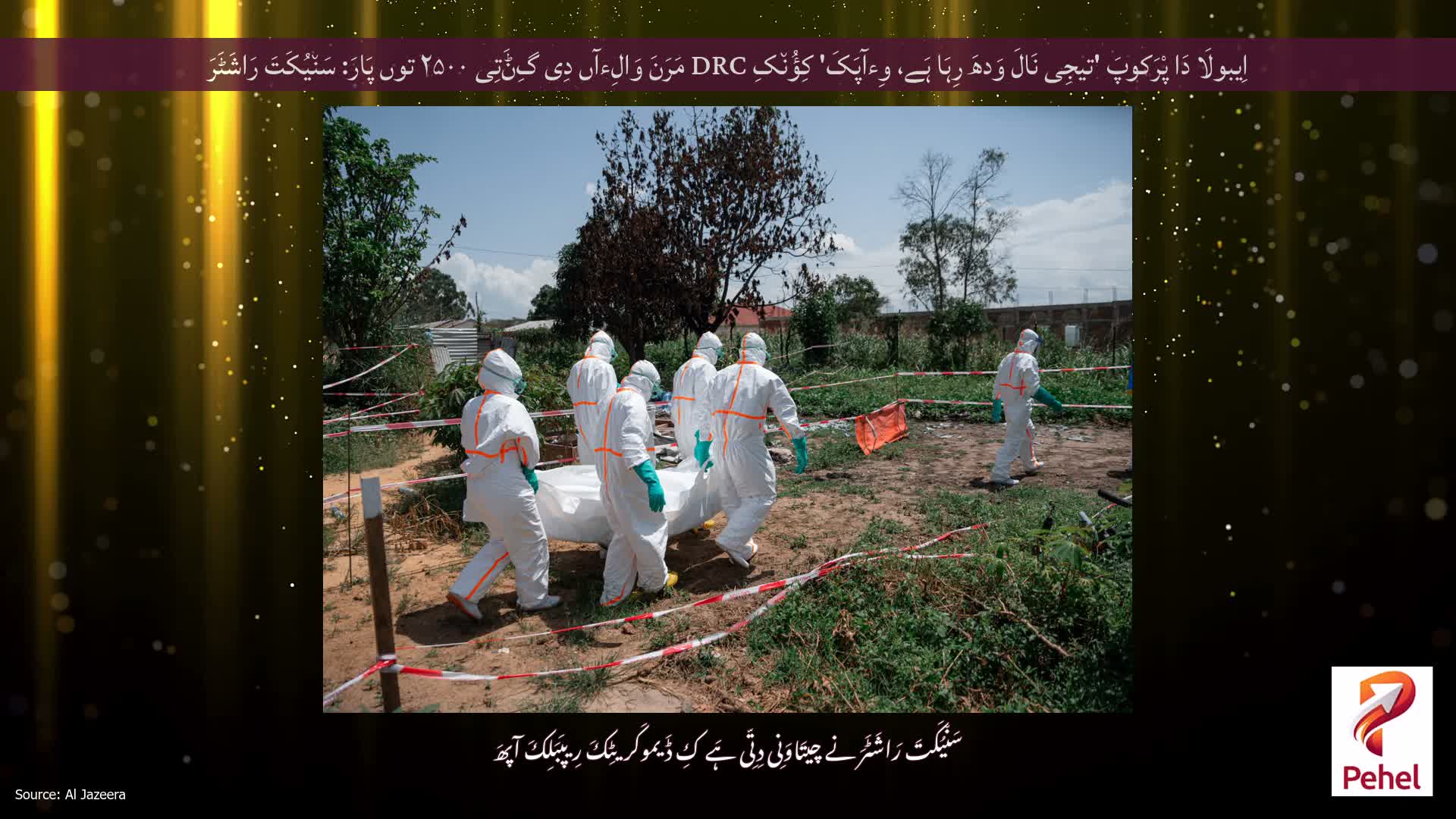
In many cases، the virus has spread at funerals، where the highly infectious bodies of Ebola victims are handled۔
ہَفَتِءآں توں، سَتھَانَکَ بھَائِیچَارِءآں وِچَّ اَوِشَوَاسَ دَا سَاہَمَݨَا کَرَ رَہے سَہَائِتَا کَرَمَچَارِی، مْرِتَکَاں نَالَ سَن٘پَرَکَ نُوں روکَݨَ لَئِی پْرَبھَاوِتَ کھیتَرَاں وِچَّ سُرَکھِّءاَتَ دَفَنَاؤُݨَ دِی یوجَنَا بَݨَاؤُݨَ لَئِی سَن٘گھَرَشَ کَرَ رَہے ہَنَ۔
In the DRC، funerals often last several days، during which family members and friends touch the body of the deceased۔
اِٹُورِی پْرَان٘تَ دے رَوَامَپَارَا وِچَّ اِکَّ اِلَاجَ کین٘دَرَ توں رِپورَٹَ کَرَدے ہوئے، اَلَ جَزِیرَا دِی کَیتھَرِینَ وَامَبُوءآ-سوئِی نے کِہَا کِ سِہَتَ کَرَمَچَارِیءآں کولَ اَکَسَرَ لوڑِین٘دے اُپَکَرَݨَاں دِی گھَاٹَ ہُن٘دِی ہَے۔
"اِنھَاں کین٘دَرَاں 'تے کَئِی وَارَ ہَمَلَا کِیتَا گِءآ ہَے۔ پِچھَلے مَہِینے، اِتھّے اِکَّ گُسّے وِچَّ آئے تَن٘بُوءآں نُوں اَگَّ لَا دِتِّی گَئِی سِی۔ کُجھَ کَان٘گولِی اَجے وِی مَدَدَ کَرَنَ دِی کوشِشَ کَرَنَ وَالِءآں 'تے وِشَوَاسَ نَہِیں کَرَدے ہَنَ،" اُسَنے کِہَا۔
“They need more of everything: protective gear، medicines، rapid test kits … and body bags۔”
شَنِیوَارَ نُوں، سَرَکَارَ نے دیشَ دِی رَاجَدھَانِی، کِنَشَاسَا سَمیتَ چَارَ پْرَان٘تَاں وِچَّ جَنَتَکَ اِکَٹھَّاں 'تے پَابَن٘دِی جَارِی کِیتِی، کِؤُن٘کِ اِہَ پْرَکوپَ دے پھَیلَݨَ نَالَ لَڑَنَا جَارِی رَکھَّ رِہَا ہَے۔
اِہَ ہُکَمَ کِنَشَاسَا وِچَّ ۸ جُلَائِی نُوں سَن٘وِدھَانَکَ سُدھَارَاں دے کھِلَاپھَ اِکَّ یوجَنَابَدھَّ وِرودھَ پْرَدَرَشَنَ توں پَہِلَاں جَارِی کِیتَا گِءآ سِی، اَتے وِرودھِی شَکھَسِیءاَتَاں نے اِسَ پَابَن٘دِی نُوں "رَاجَنِیتِکَ تَورَ 'تے پْریرِتَ" کِہَا ہَے۔